
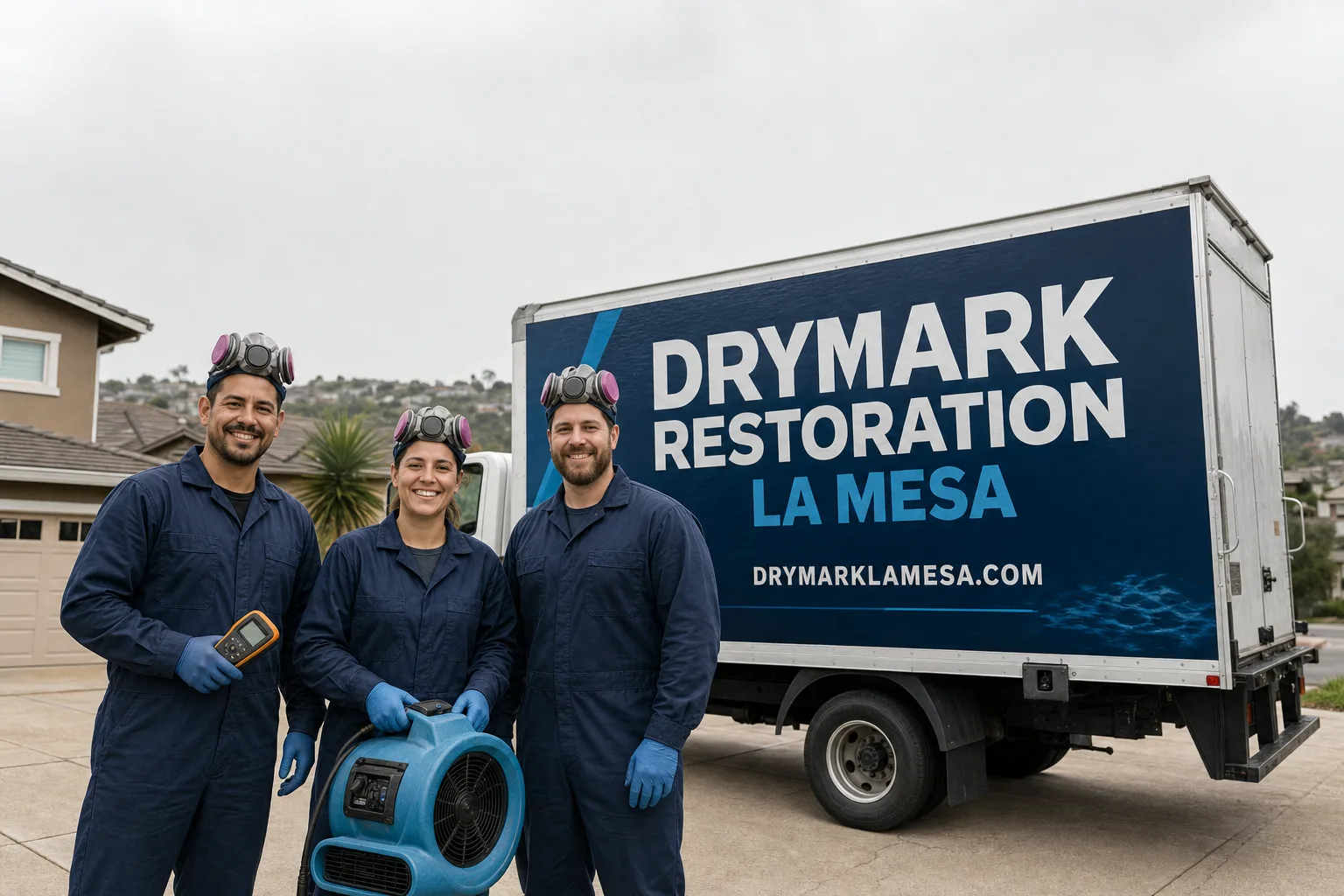
Free visual inspection and a written scope of work before any mitigation begins - photos, moisture readings, and drying logs go in your claim file
The scope we write is the scope we bill. Anything new gets shown to you, in writing, before we touch it.
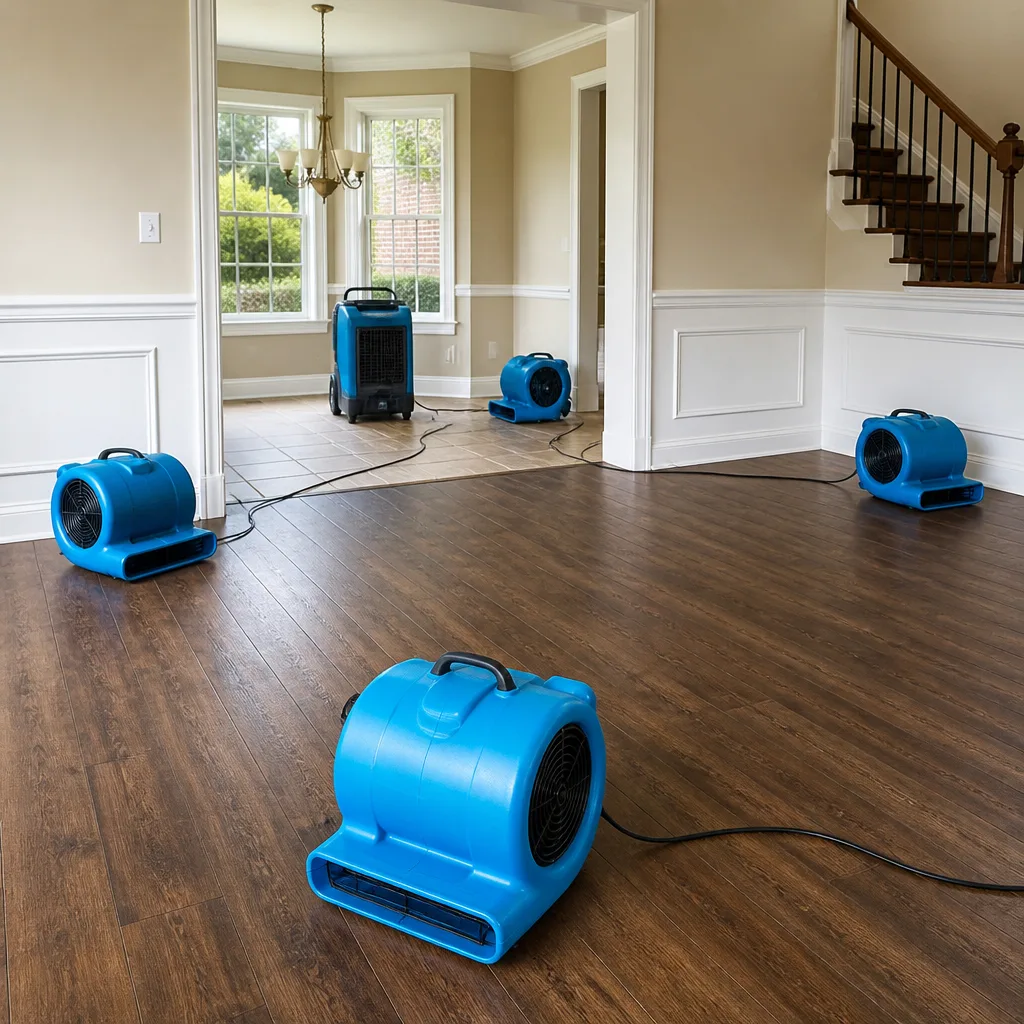
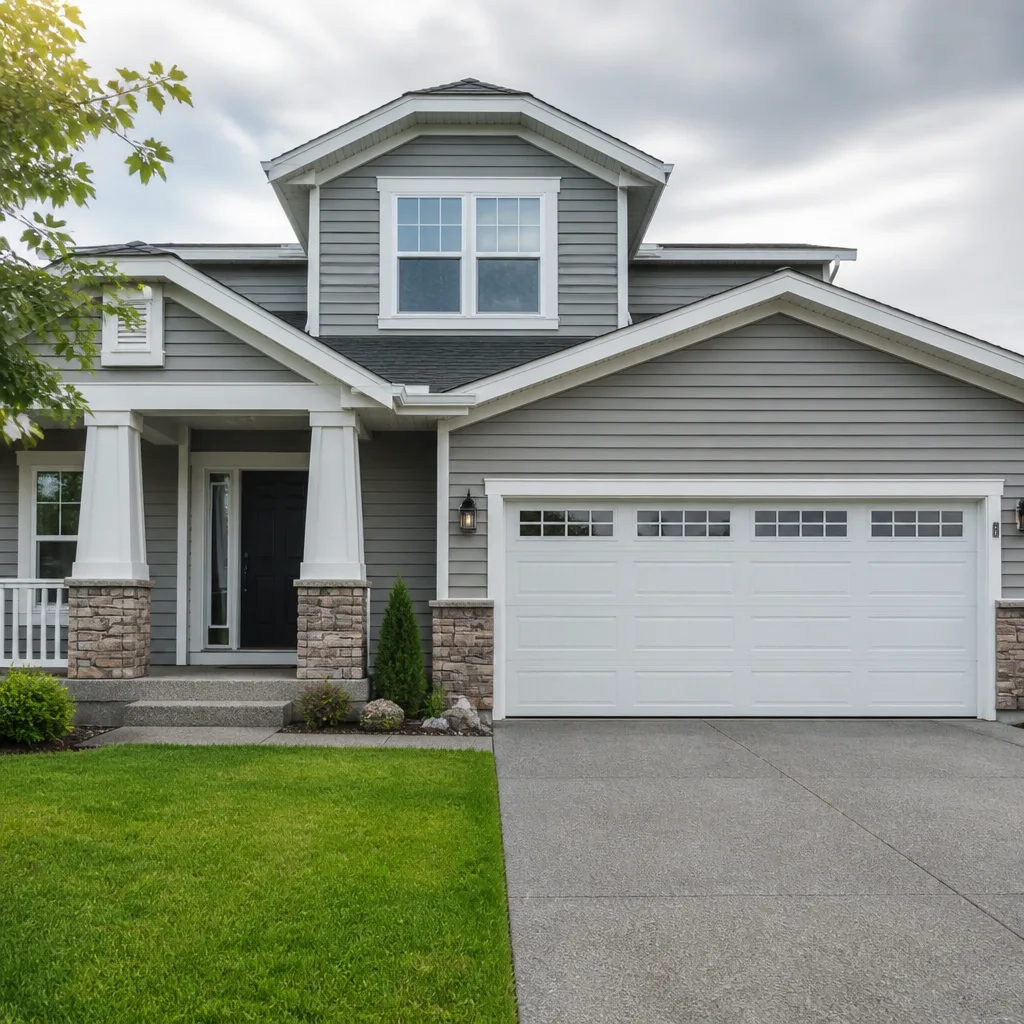
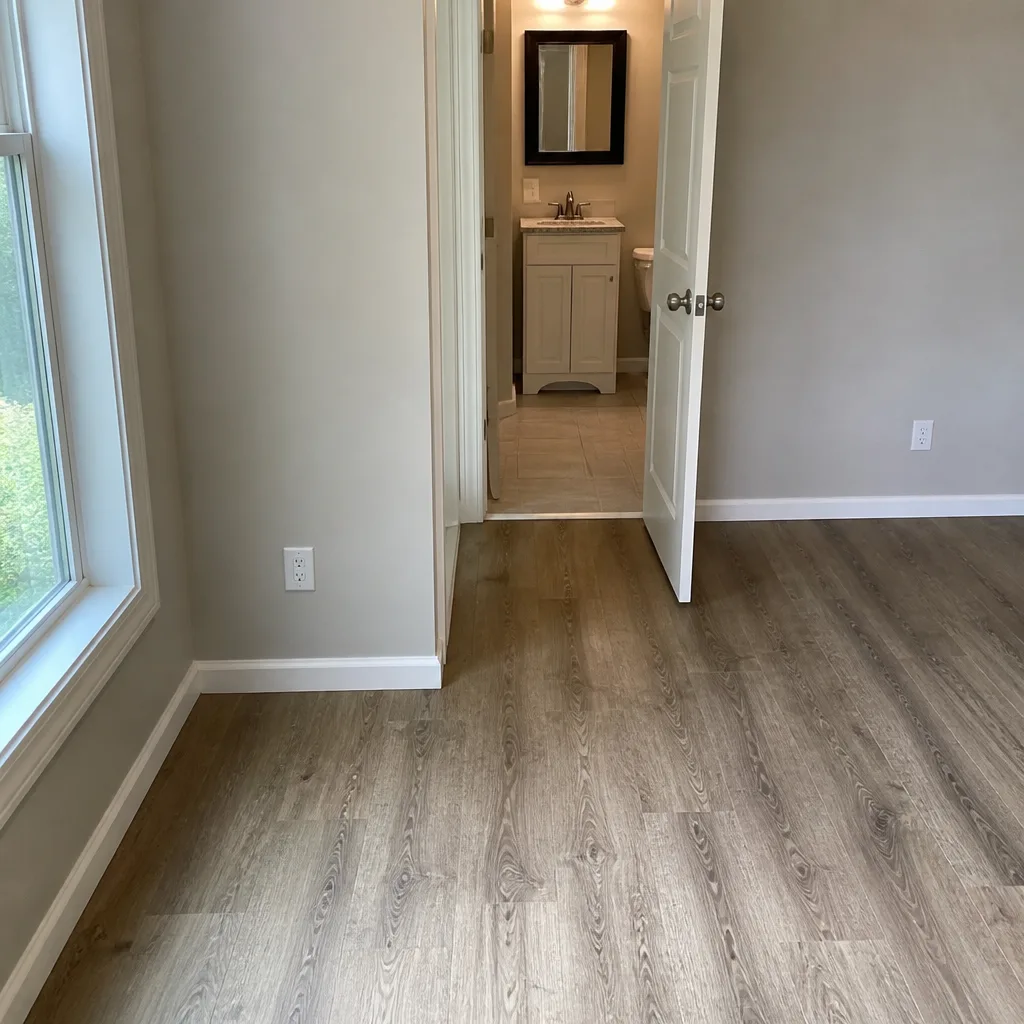
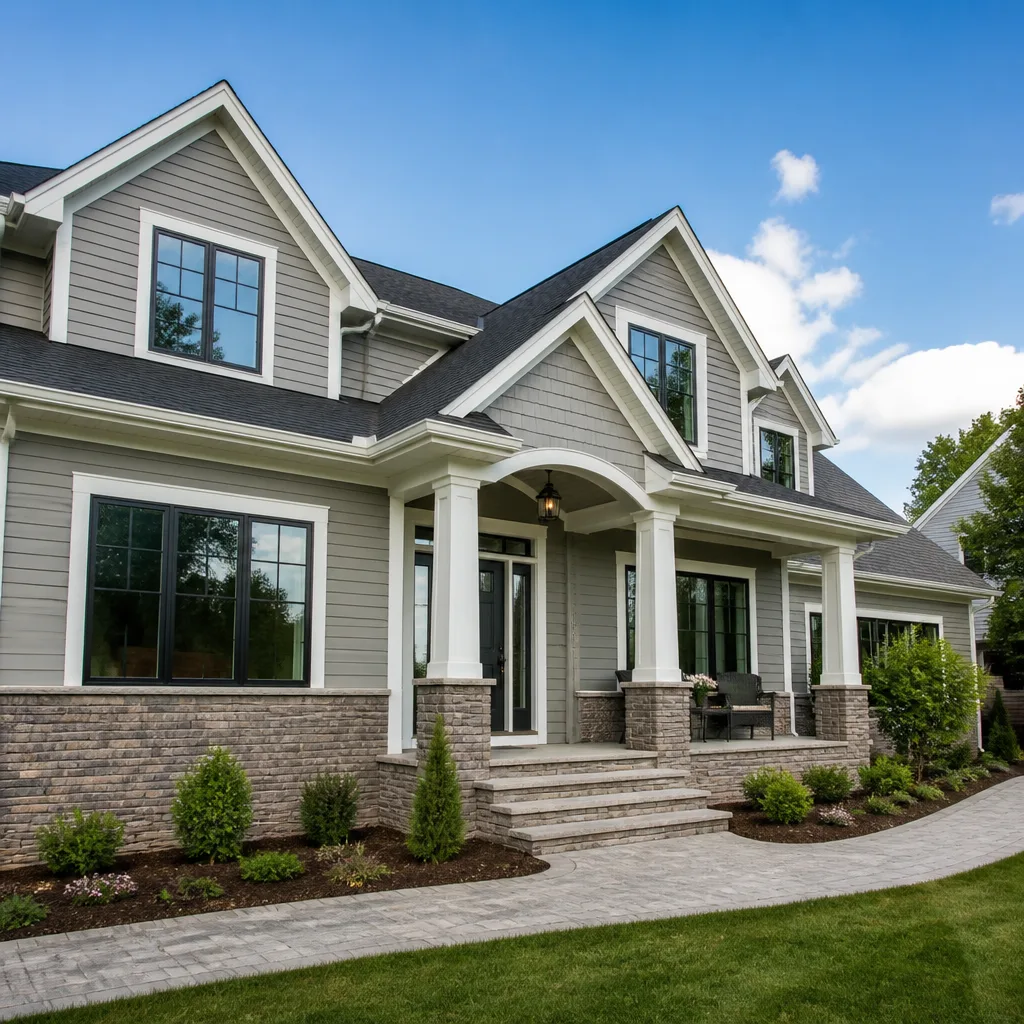
 Before
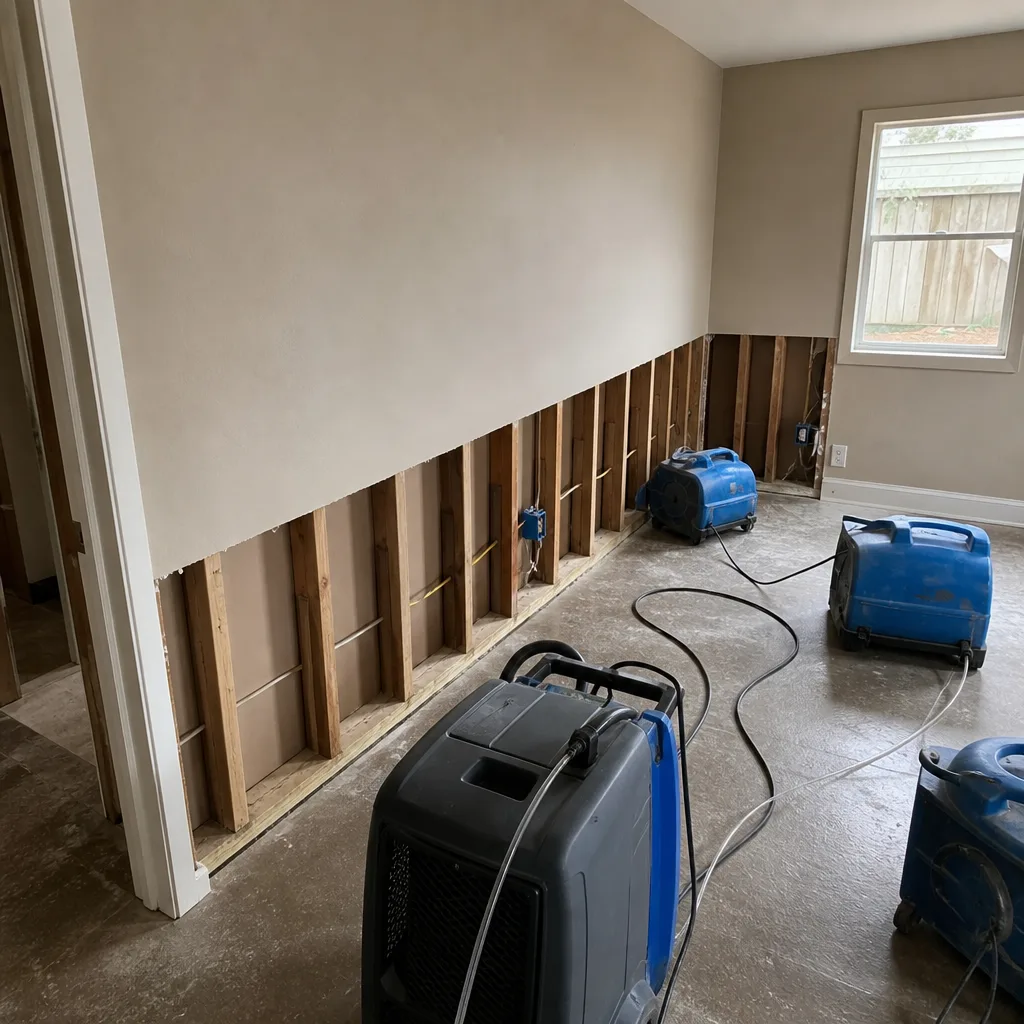 After
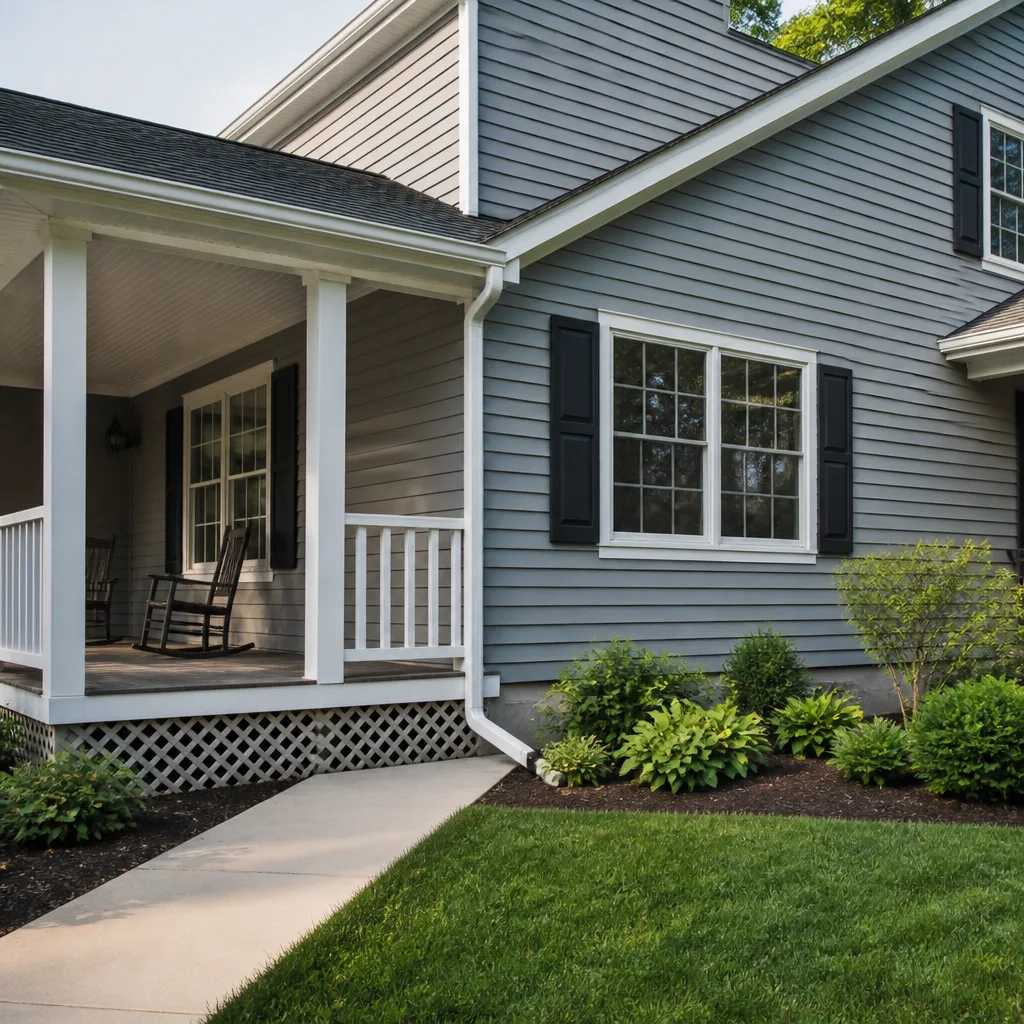
After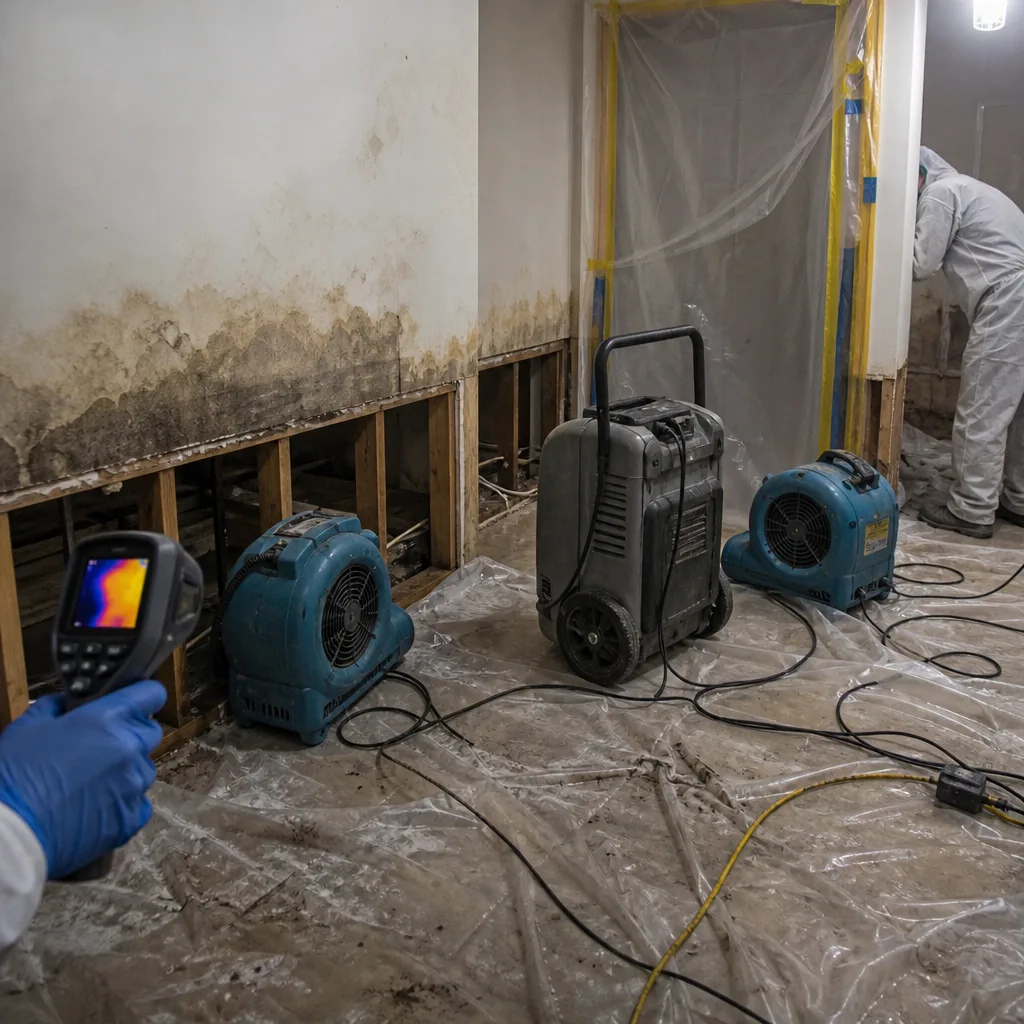 Before
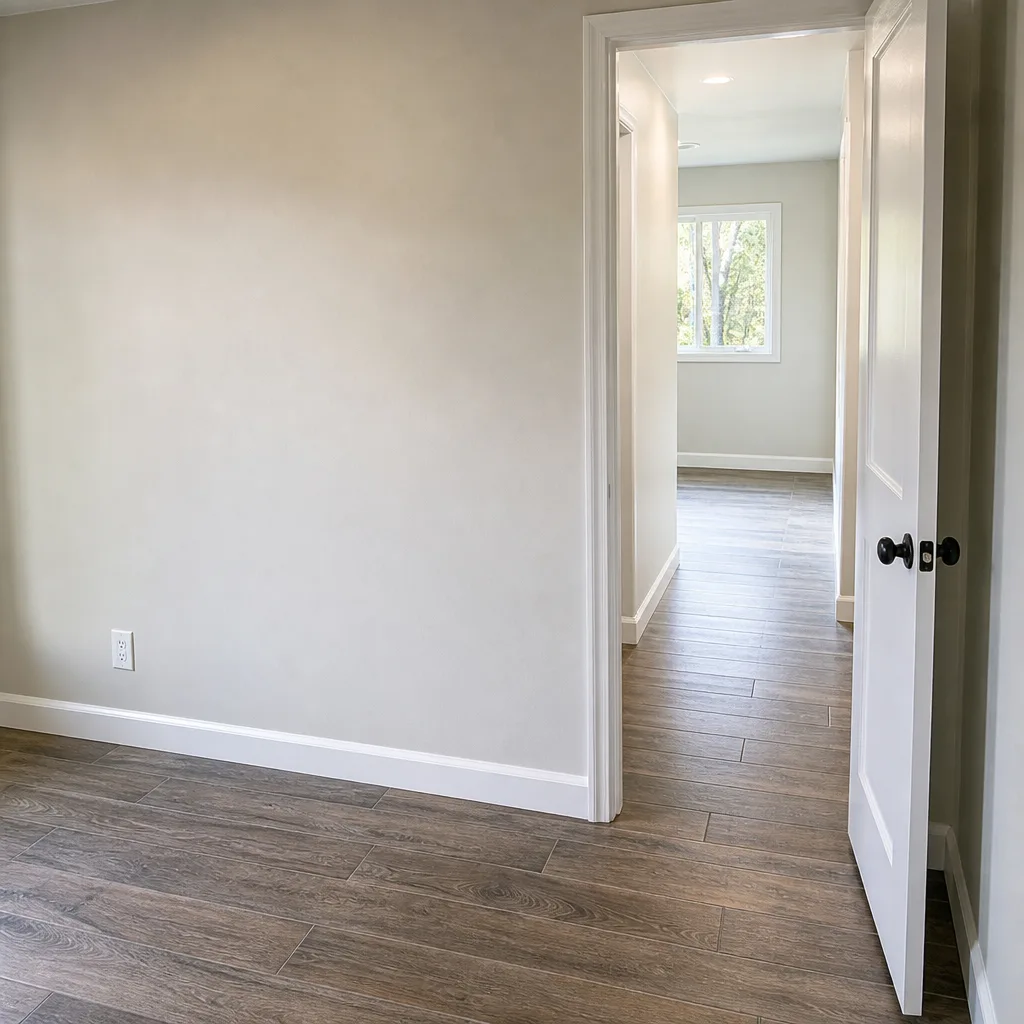 After
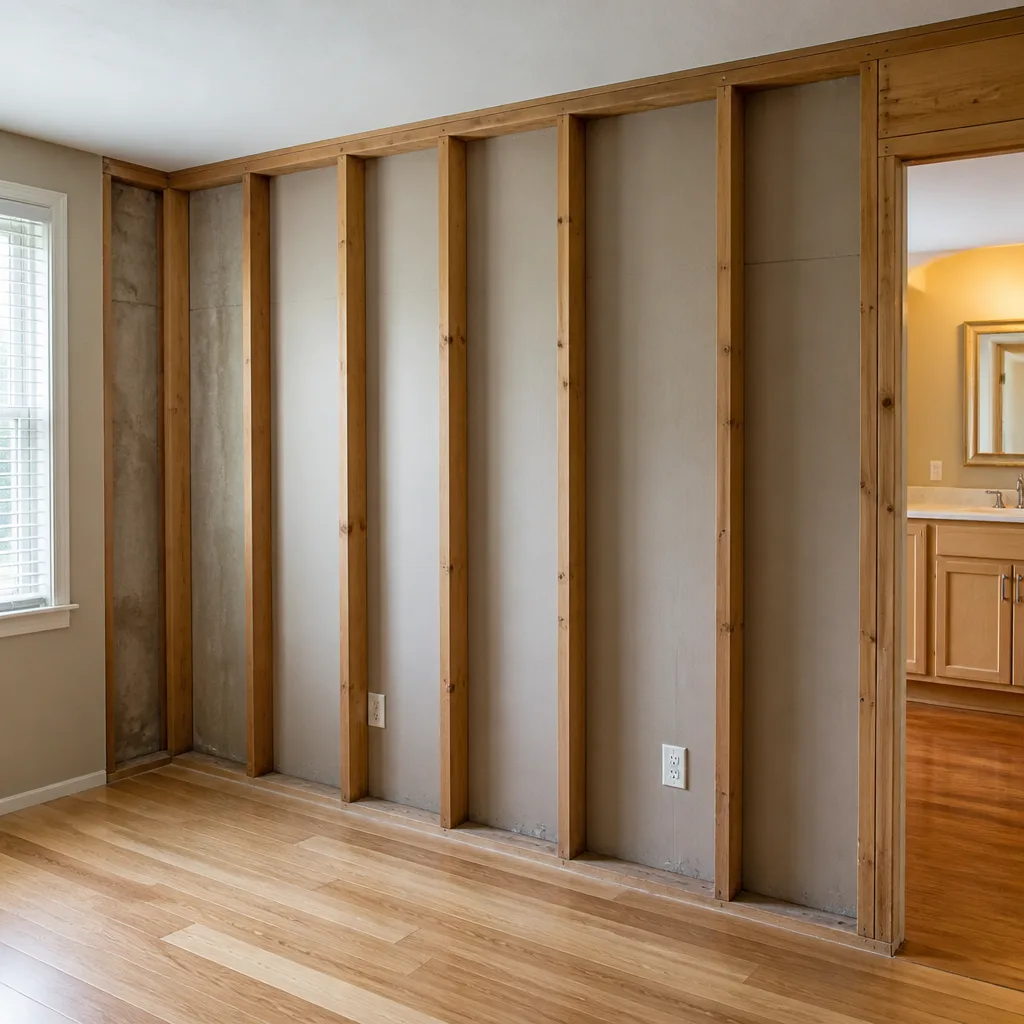
After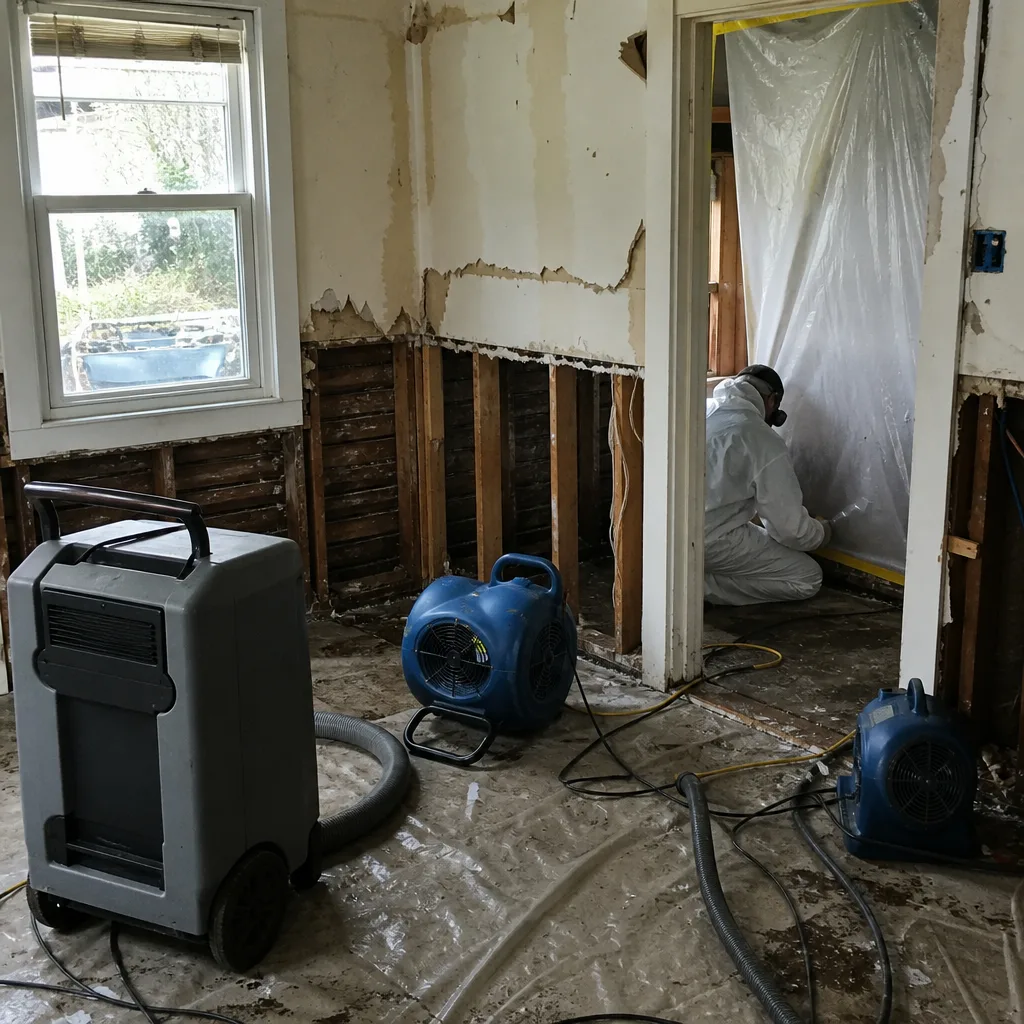 Before
 After
AfterFast, Reliable Mold Remediation Across Spring Valley
Mold remediation in Spring Valley typically costs $2,800-$6,500 for whole-room treatment and $450-$1,200 for contained spot removal, with most projects completing in 3-7 business days once containment is established. Because Spring Valley sits in an inland valley cut off from San Diego’s coastal marine layer, the same Santa Ana wind dryness that bakes chaparral in October can flip to winter storm runoff that floods subfloors and feeds hidden mold colonies behind original 1950s-1970s drywall.
We dispatch crews to Spring Valley from our San Diego office daily, and we know the unincorporated county permit path that catches contractors off-guard. Whether you’re off Lamar Street near Bancroft Drive, in the ranch tracts near Sweetwater Road, or in the manufactured home pockets along the valley floor, we bring containment, HEPA filtration, and documented drying logs that satisfy both the County of San Diego Department of Planning and Development Services and your insurance adjuster. Call (858) 264-2736 for a written price before any work starts, Haven Standard, Clause 1.
Why DryMark Restoration La Mesa Is Spring Valley’s Preferred Mold Remediation Company
We’ve restored homes in Spring Valley since 2011, and our file on this valley runs deep. The 12,000+ homes we’ve documented nationwide include hundreds in unincorporated San Diego County, where we’ve learned that county plan-check timelines differ materially from city-permit workflows in La Mesa or El Cajon. That knowledge saves Spring Valley homeowners weeks on rebuild schedules.
Our reviews from Spring Valley customers consistently cite two things: the photo record we deliver after every visit, and the written scope they signed before any cutting began. No crew enters without a background check, a license number on file, and a uniform with a name badge. Live dispatch answers (858) 264-2736 24 hours a day, 7 days a week. No voicemail trees. No next-business-day callbacks while mold is still sporulating in your wall cavity.
The 365-Day Done Right Promise applies to every Spring Valley job, stamped and signed under The Haven Standard. If it’s not done right, we make it right. That’s not a marketing line; it’s a warranty with an address.
Our Mold Remediation Services in Spring Valley
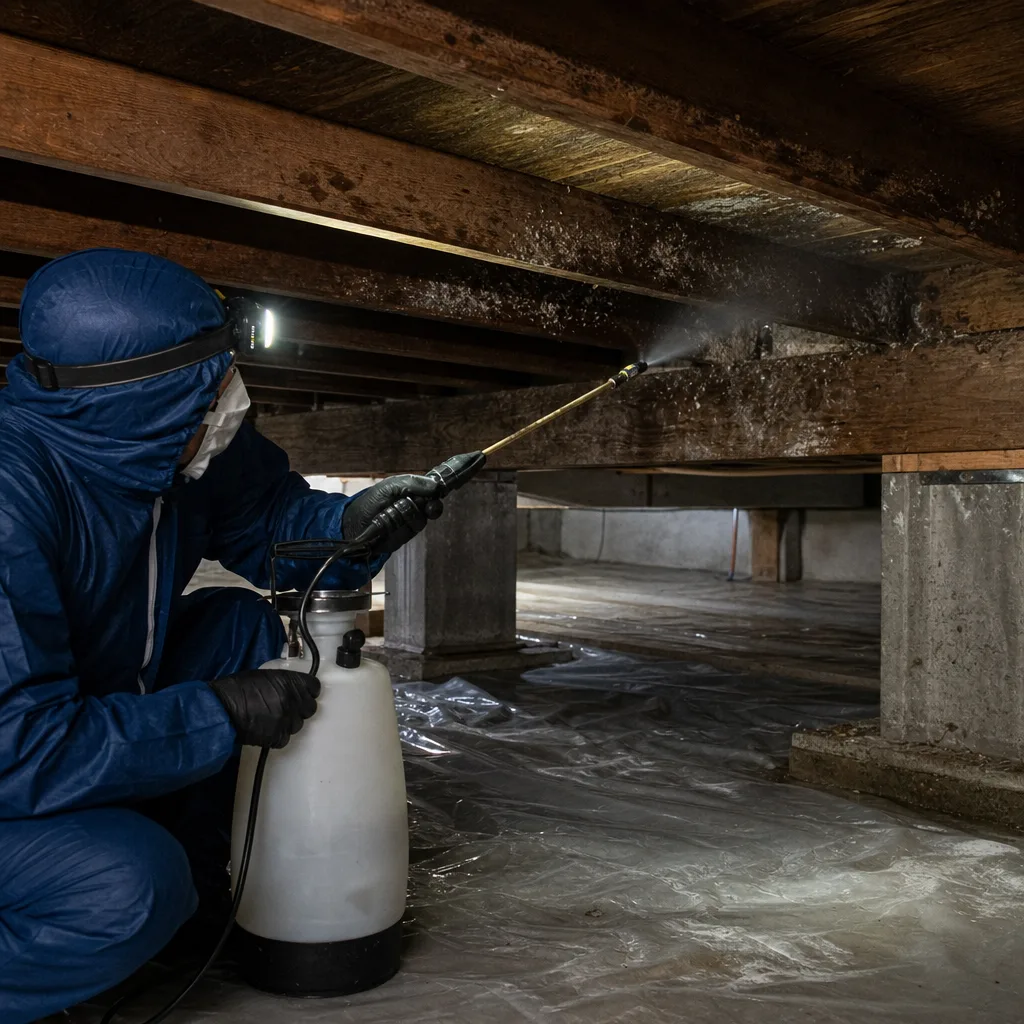
Mold Inspection & Testing
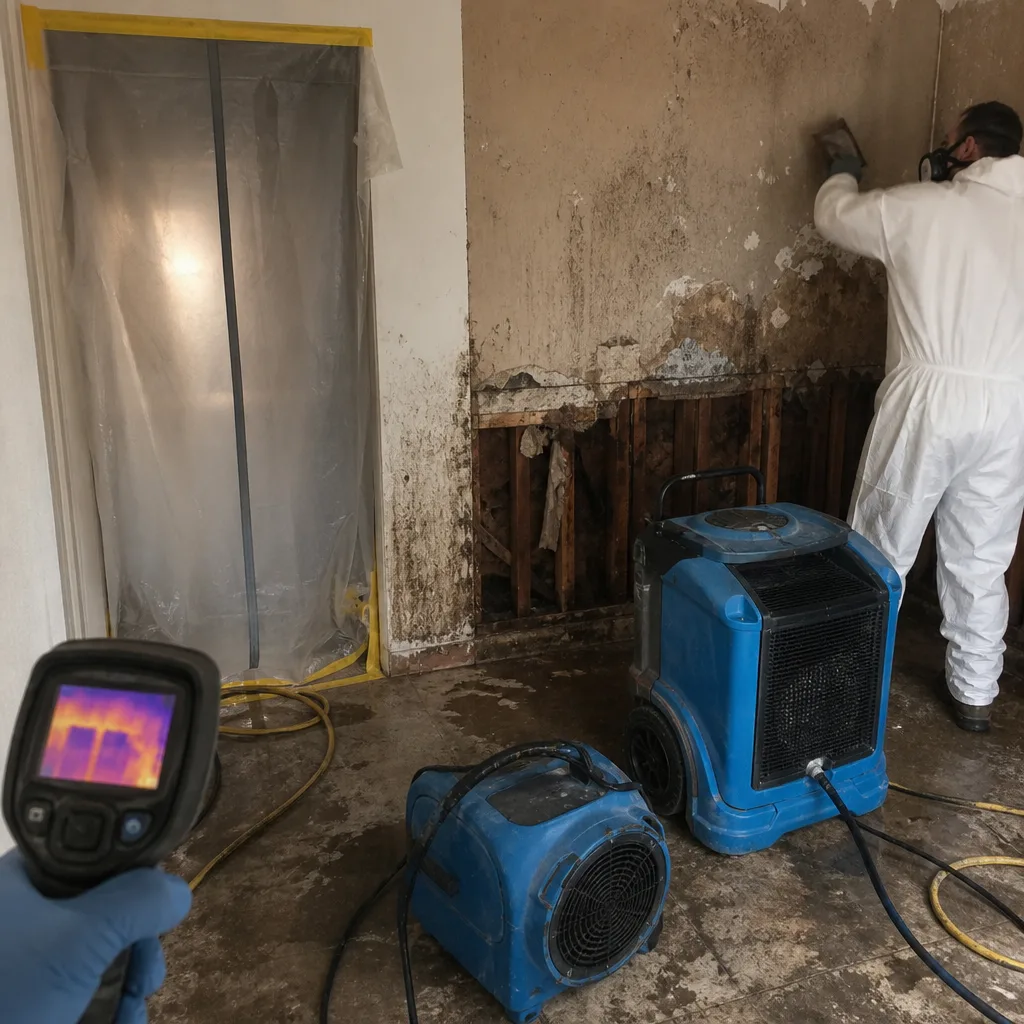
Spring Valley’s older housing stock demands inspection protocols that account for what’s beneath the surface, not just what’s visible. In a 1968 ranch house off Lamar Street near Bancroft Drive, our techs found black mold blooming behind a hall bathroom’s original 4-inch ceramic tile after a slab leak soaked the hollow-wall cavity. We set containment, HEPA-scrubbed, cut out the saturated drywall, and ran Injectidry panels and Phoenix dehumidification for four days while moisture mapping confirmed every stud below 16%. The wall held 1950s-era mastic under the tile, so we called in abatement before reconstruction and logged drying readings each day for the county’s file. Our inspections include moisture mapping, air sampling, and surface testing with documented chain-of-custody for insurance submission.
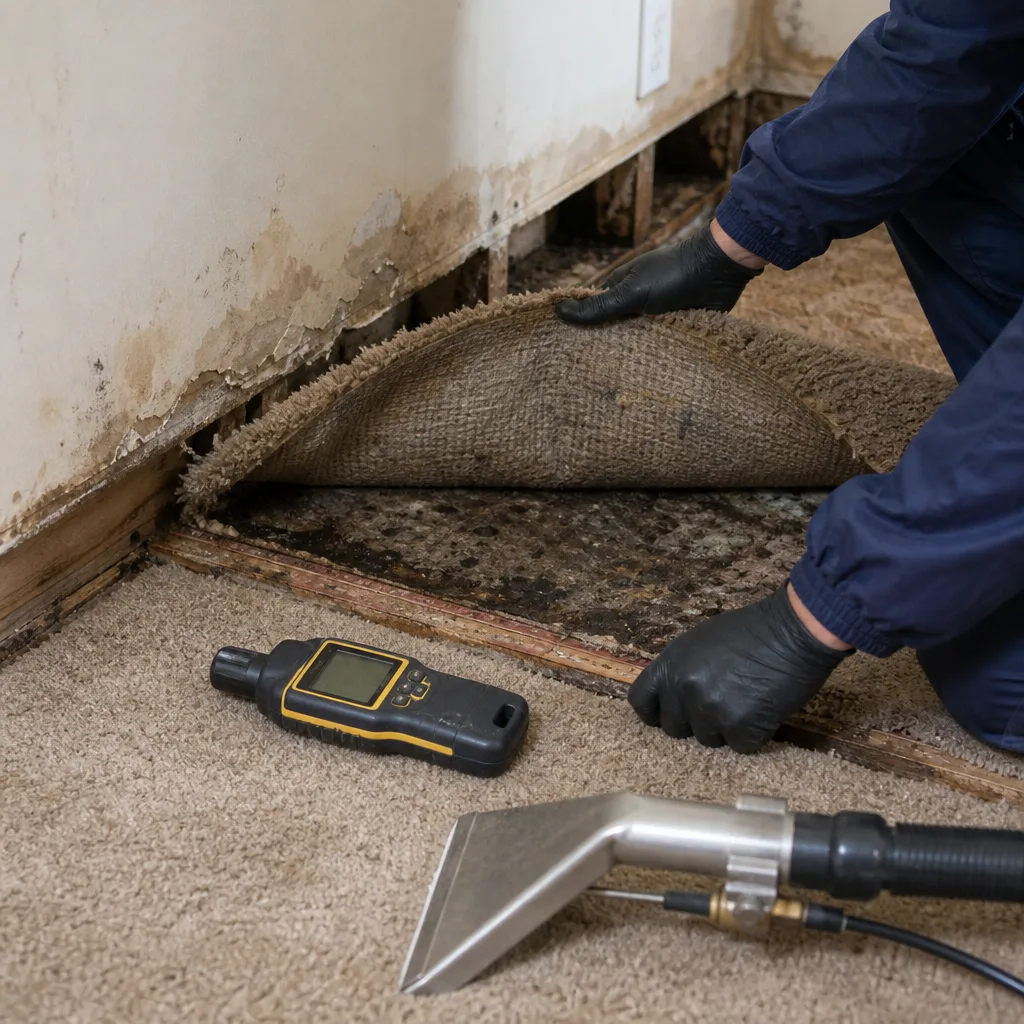
Mold Removal
Removal in Spring Valley often means navigating hazardous material triggers that coastal contractors miss. Original asbestos floor tile and lead-based paint in the valley’s dominant post-WWII tracts aren’t optional add-ons; they’re mandatory abatement steps before county inspectors will sign off on reconstruction. We identify these triggers during the initial scope, price them into the written estimate, and coordinate certified abatement contractors so your project doesn’t stall at 60% completion. Our crews use sealed containment, negative air pressure, and HEPA vacuum systems that meet IICRC S520 standards, with photo documentation at every stage.
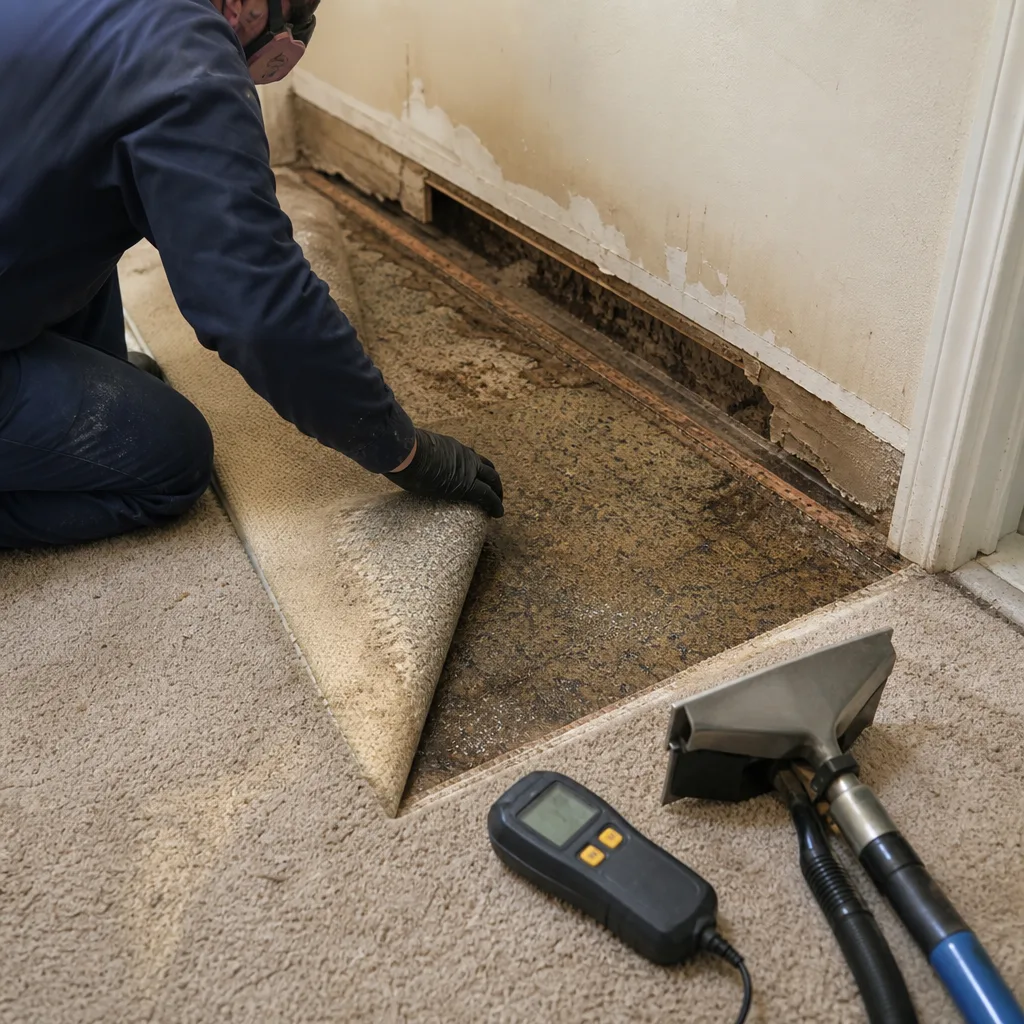
Black Mold Remediation
Stachybotrys and other toxigenic molds require aggressive containment and specialized remediation protocols. In Spring Valley, black mold frequently follows slab leaks in original ranch homes with no vapor barrier beneath the slab, or winter storm intrusion that saturates subfloors in manufactured homes along the valley’s flatter sections. We establish full containment barriers, deploy air scrubbers sized to the cubic footage, and remove compromised materials rather than attempting surface treatment that leaves viable hyphae in porous substrates. Every removal project includes post-remediation verification sampling and a written clearance report for your file and the county’s.
Air Quality Restoration
Spring Valley’s valley topography traps particulates, and mold remediation without air quality restoration leaves spores circulating through HVAC systems and settling in unaffected rooms. We deploy HEPA air scrubbers during active remediation and follow with full duct inspection and cleaning where contamination has entered the mechanical system. Post-remediation, we measure airborne particulate levels, humidity, and temperature to confirm the environment supports occupancy rather than regrowth. All readings are logged and delivered with the photo record.
Crawl Space Treatment
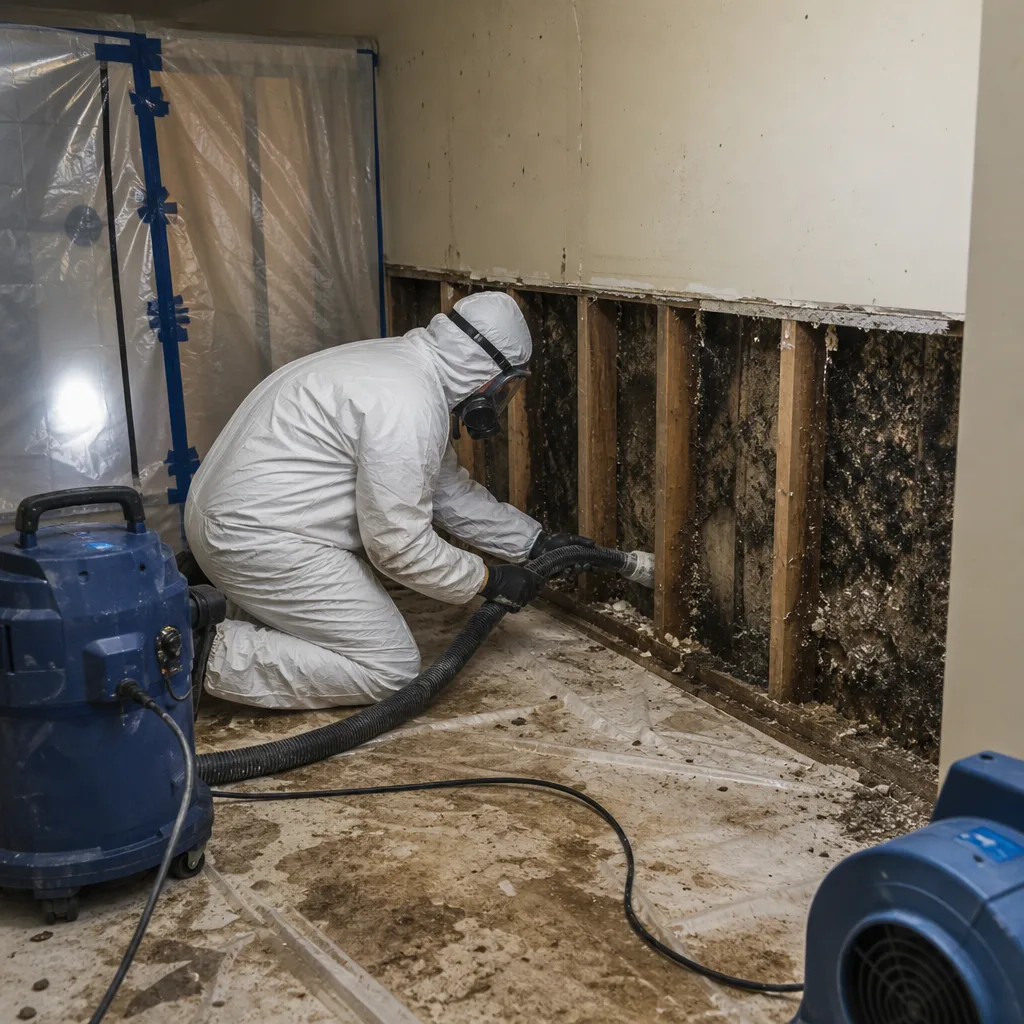
Spring Valley’s 1950s-1970s ranch homes often feature shallow crawl spaces with inadequate ventilation and original vapor barriers that have degraded to brittle plastic shards. We treat these spaces with vapor barrier replacement, dehumidification, and structural drying using Dri-Eaz and Phoenix equipment sized to the confined cubic footage. Where soil gases or previous moisture damage have compromised floor joists, we document the condition with photos and moisture readings before recommending repair scope.
Moisture & Humidity Control
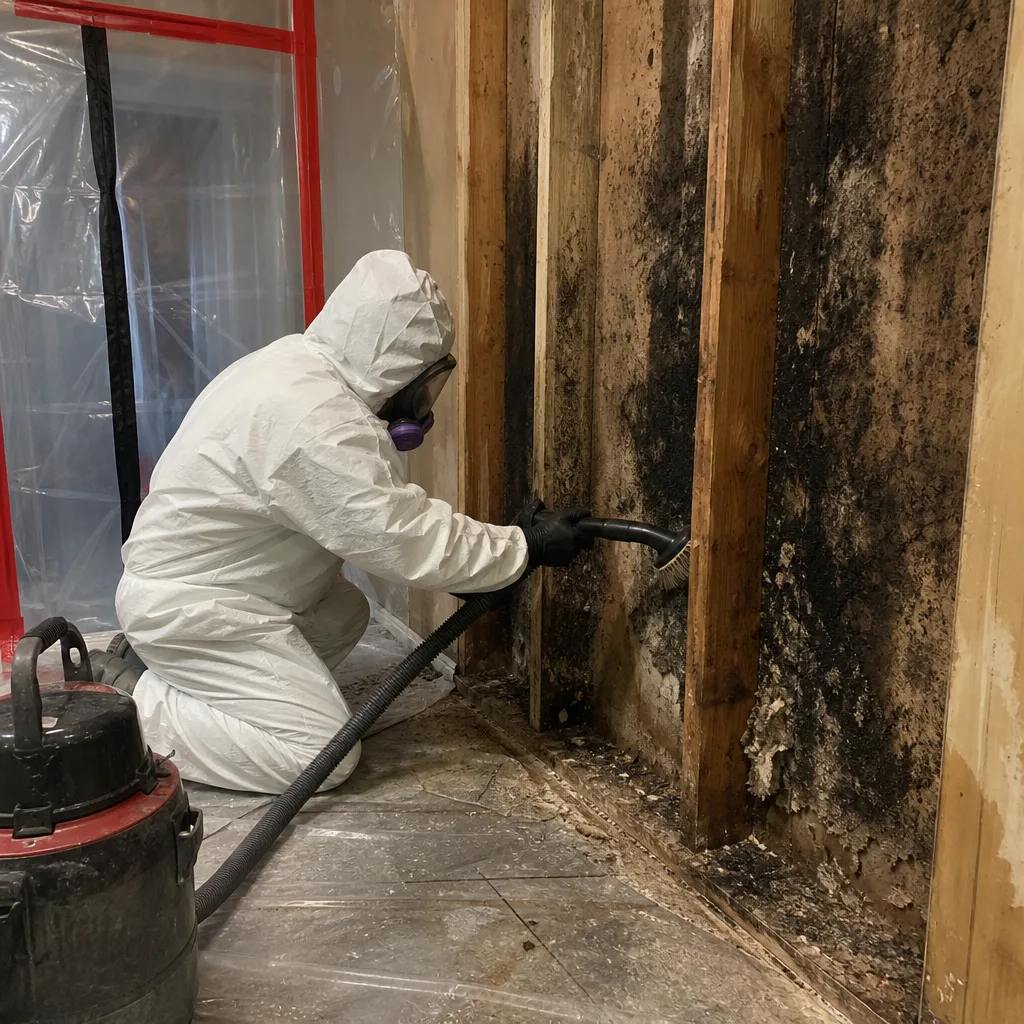
The inland valley climate that makes Spring Valley hot and dry in summer can mask chronic humidity problems in bathrooms, kitchens, and crawl spaces. We install permanent dehumidification solutions, repair ventilation deficiencies, and establish monitoring protocols that track relative humidity and vapor pressure differential, the measurable force that drives moisture through walls. Our goal is removing the conditions that grew the mold, not just the mold itself.
What happens when you call
- 1
A real person answersNo phone trees - you reach a local pro.
- 2
You get an upfront price rangeHonest numbers before anyone is dispatched.
- 3
A background-checked tech heads outLicensed & insured, dispatched right away.
- 4
You approve before work beginsNothing starts until you say go.
 Before
 After
AfterTrusted Brands We Service in Spring Valley
Our equipment inventory includes professional-grade drying systems from Dri-Eaz, Phoenix, and XPOWER, with Injectidry panel systems for hardwood and tile drying in the slab-on-grade construction common to Spring Valley’s ranch tracts. We stock HEPA filtration media, containment supplies, and moisture detection equipment locally so Spring Valley projects start without the procurement delays that push containment into second and third weeks. Every piece of equipment is documented to IICRC, RIA, and IFA standards, and every daily log includes the serial number of the unit running on your job.
Common Mold Remediation Problems We See in Spring Valley Homes
- Abatement triggers stall mid-project. On original 1950s-70s ranch homes with asbestos floor tile and lead paint, crews dry the visible water but skip the abatement trigger, so remediation stalls when the county inspector requires hazardous-material clearance first. We flag these triggers in the initial scope and price abatement into the written estimate.
- Mobile home sizing errors. In manufactured and mobile homes along the valley’s flatter sections, standard air movers and dehumidification get sized for site-built wall cavities and fail to dry the thinner, differently insulated belly and subfloor areas. Mold returns within weeks. We adjust equipment specs to the actual construction type.
- County permit timelines underestimated. Because Spring Valley is unincorporated, contractors used to La Mesa or El Cajon city permits underestimate County DDS plan-check turnaround, leaving containment up too long and spreading musty odors into living space. We build realistic county timelines into every schedule.
- Slab leaks in original construction. Spring Valley’s ranch homes often lack proper vapor barriers beneath slabs, so plumbing leaks wick moisture upward through foundation cracks and into wall cavities for weeks before visible signs appear. Our inspections include thermal imaging and moisture mapping to find these hidden reservoirs.
Pricing for Mold Remediation in Spring Valley, CA
| Service | Typical Range in Spring Valley |
|---|---|
| Contained spot removal (under 10 sq. ft.) | $450 - $1,200 |
| Single-room remediation with containment | $2,800 - $4,500 |
| Whole-area remediation (multiple rooms, HVAC involvement) | $4,500 - $6,500 |
| Crawl space treatment with vapor barrier replacement | $3,200 - $5,800 |
| Air quality restoration / duct cleaning post-remediation | $1,800 - $3,400 |
| Asbestos/lead abatement coordination (when triggered) | $2,500 - $7,000+ |
Spring Valley’s unincorporated status and older housing stock add variables that don’t appear in newer coastal markets. County permit fees, mandatory abatement triggers, and the plan-check timeline all affect final project duration and cost. We deliver a written price before any work begins, Haven Standard, Clause 1, with no scope-creep additions once the crew is inside. Bring a competitor’s written estimate and we’ll review it at no charge, Free Second Opinion guarantee.
We Also Serve Cities Near Spring Valley
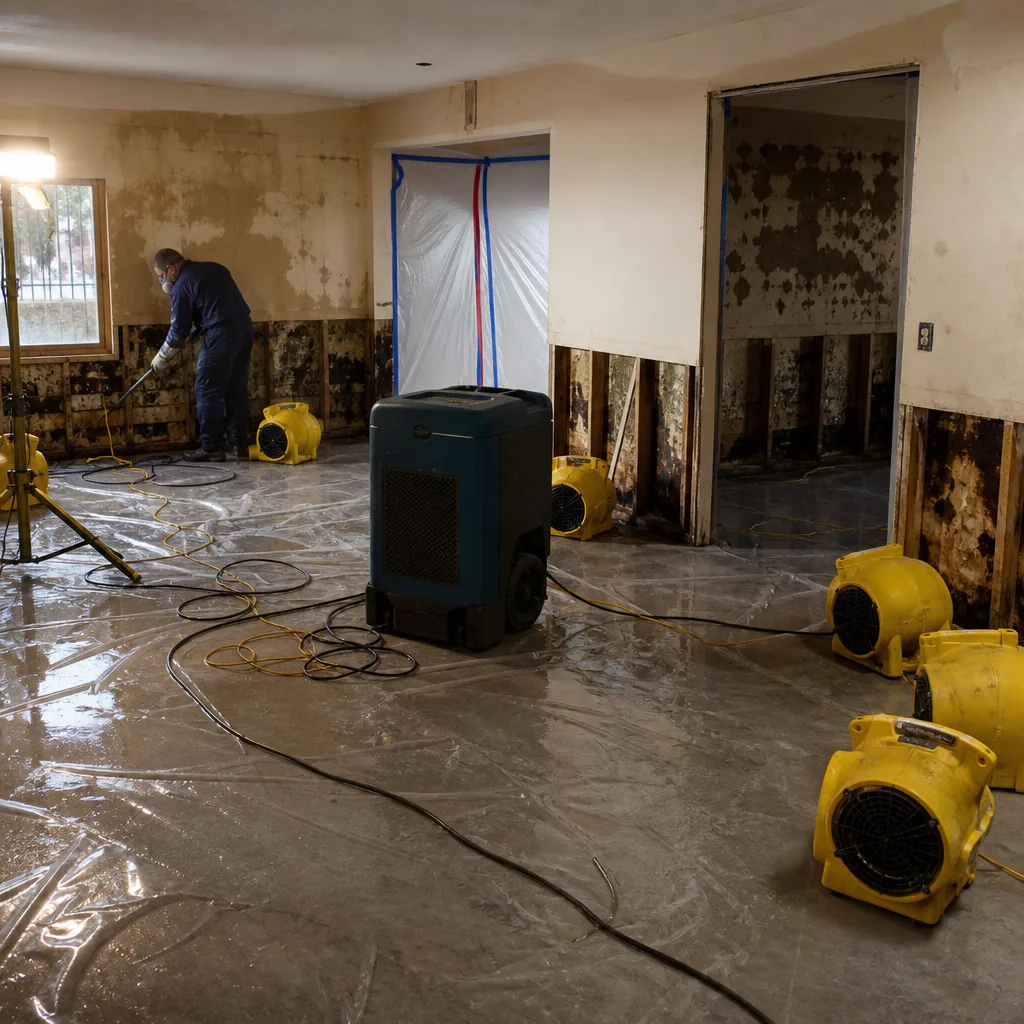
Our Mold Remediation in Spring Valley crews also respond to properties in Mold Remediation calls from La Mesa, Lemon Grove, El Cajon, and Bonita. Each city’s permit structure and housing stock present different workflows, and we adjust our documentation and scheduling accordingly.
Serving Spring Valley, CA - Our Local Coverage Area
We’re based in the Spring Valley area and know this community well. Use the map below to see our service coverage - if you’re nearby, we can almost certainly help.
FAQs - Mold Remediation in Spring Valley
Mold colonization begins in 24-72 hours on wet organic material, and Spring Valley’s warmer inland temperatures push that timeline toward the faster end. In slab leaks, water can wick through foundation cracks for days before visible signs appear, so by the time you see staining, colonies are often established behind the drywall. Call (858) 264-2736 for moisture mapping and a written scope, estimates are free.
Yes. Because Spring Valley is unincorporated San Diego County rather than an incorporated city, all restoration permits and final inspections run through the County of San Diego’s Department of Planning and Development Services, not a municipal building department. County plan-check timelines and inspector availability frequently extend rebuild schedules past what contractors accustomed to La Mesa or El Cajon city limits expect. We build realistic county timelines into every Spring Valley scope.
Mobile and manufactured homes along Spring Valley’s flatter sections have thinner wall cavities, different insulation configurations, and belly-wrap subfloors that standard site-built drying equipment often fails to penetrate. Sized-wrong air movers leave moisture in the subfloor and insulation, and mold returns within weeks. We spec Dri-Eaz and Phoenix equipment to the actual cubic footage and construction type, with moisture readings taken in the belly and subfloor, not just the living space.
Often yes. Spring Valley’s dominant 1950s-1970s housing stock almost always contains asbestos floor tile, popcorn ceiling texture, or lead-based paint that triggers mandatory abatement before reconstruction can proceed. We test for these materials during the initial scope and coordinate certified abatement contractors so your project doesn’t stall mid-job when the county inspector requires clearance. The abatement cost is included in your written price, Haven Standard, Clause 1.
We measure moisture content with calibrated meters and compare to IICRC drying standards for each material class. Drywall above 17% moisture content, insulation that has been wet more than 48 hours, and any porous material with visible mold growth typically gets removed rather than dried. Non-porous materials like tile and metal studs can often be HEPA-cleaned and saved. We document the decision criteria, the readings, and the photo record for your adjuster and the county file. Call (858) 264-2736 for an exact assessment, estimates are free.
Written by Alicia Brennan, Owner at Back to Dry Restoration, serving Spring Valley since 2011.