
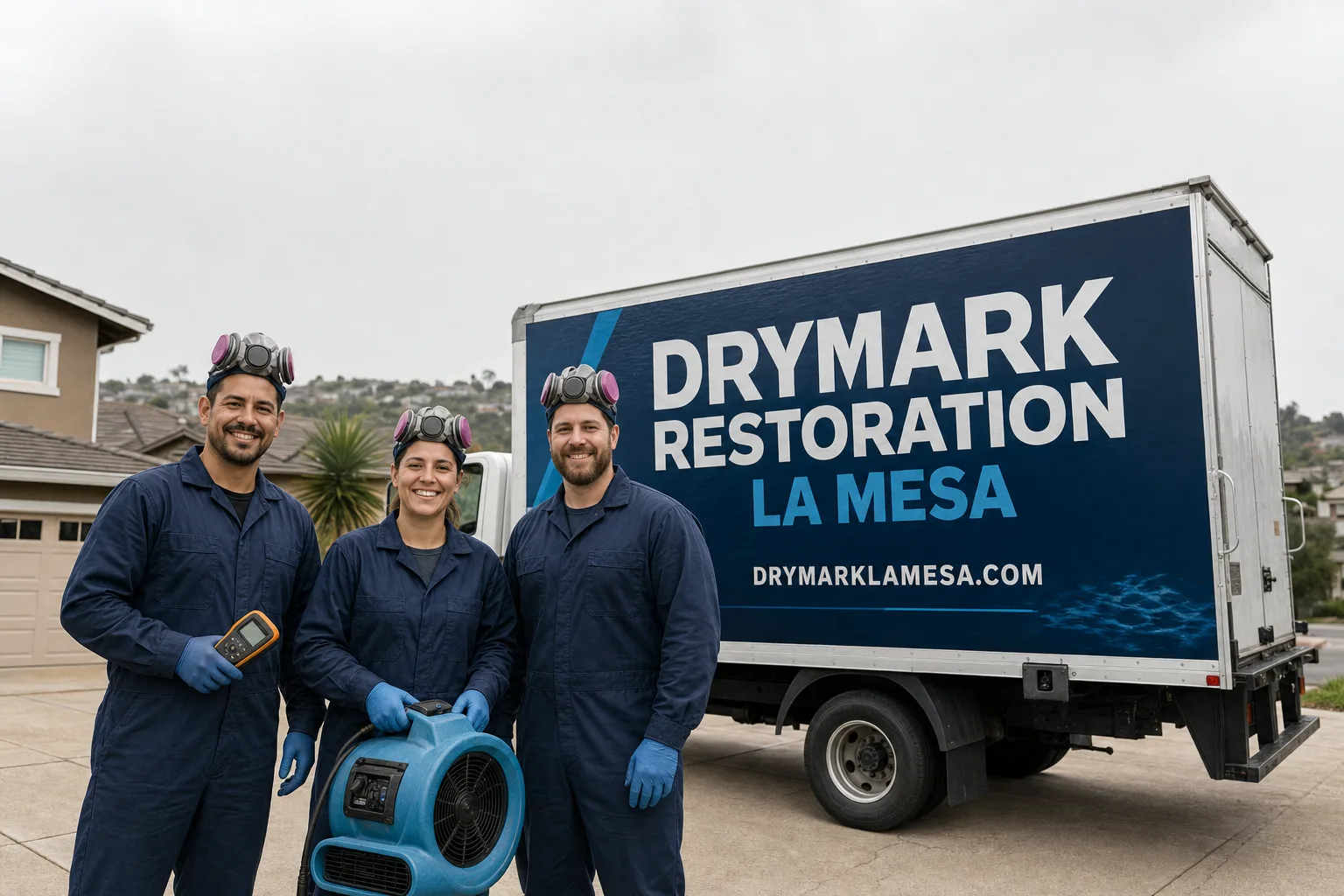
Free visual inspection and a written scope of work before any mitigation begins - photos, moisture readings, and drying logs go in your claim file
The scope we write is the scope we bill. Anything new gets shown to you, in writing, before we touch it.
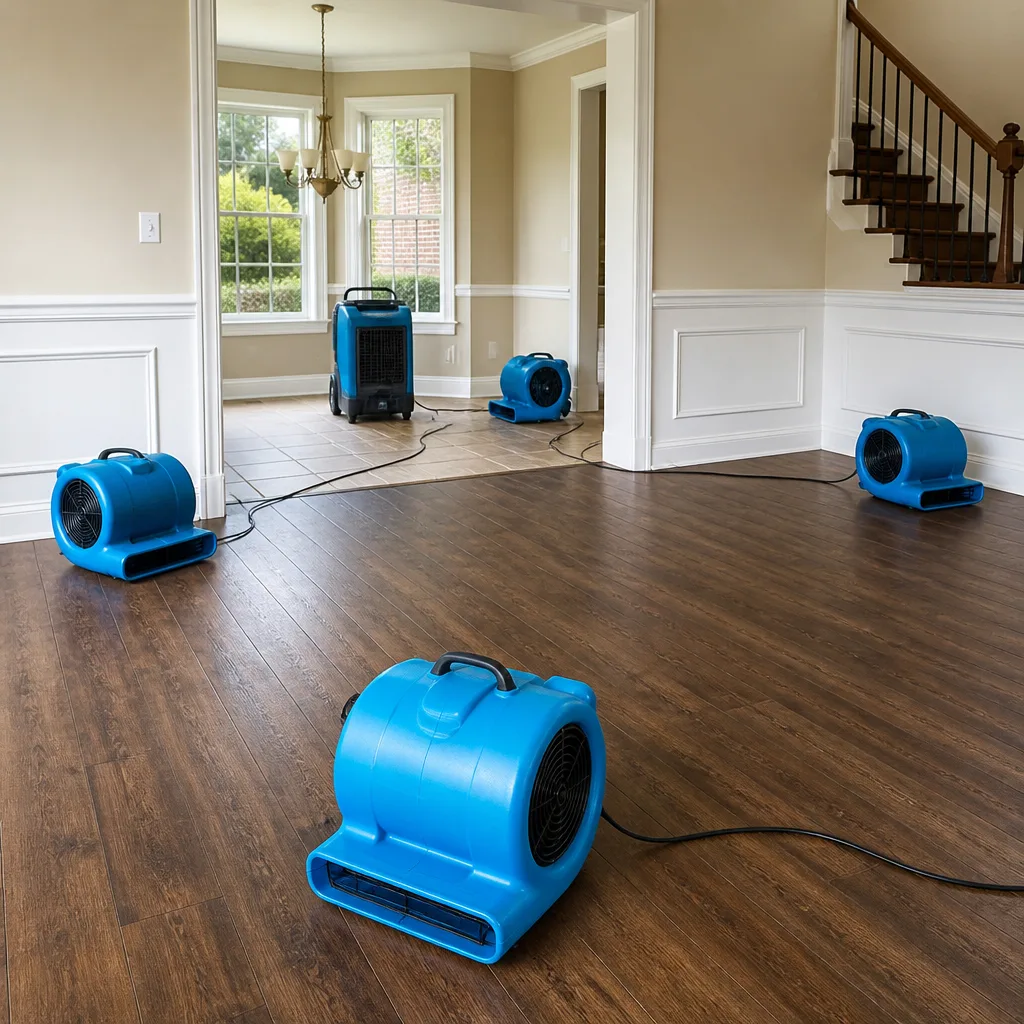
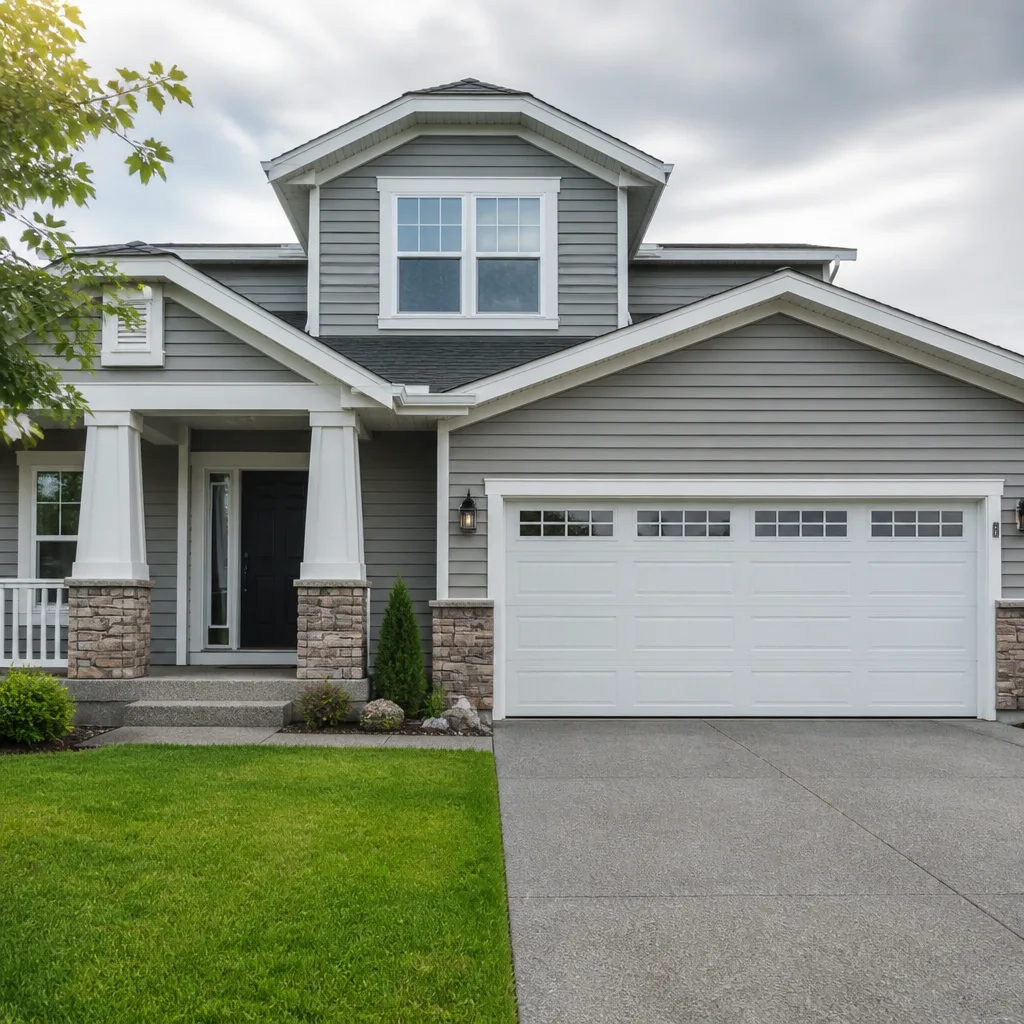
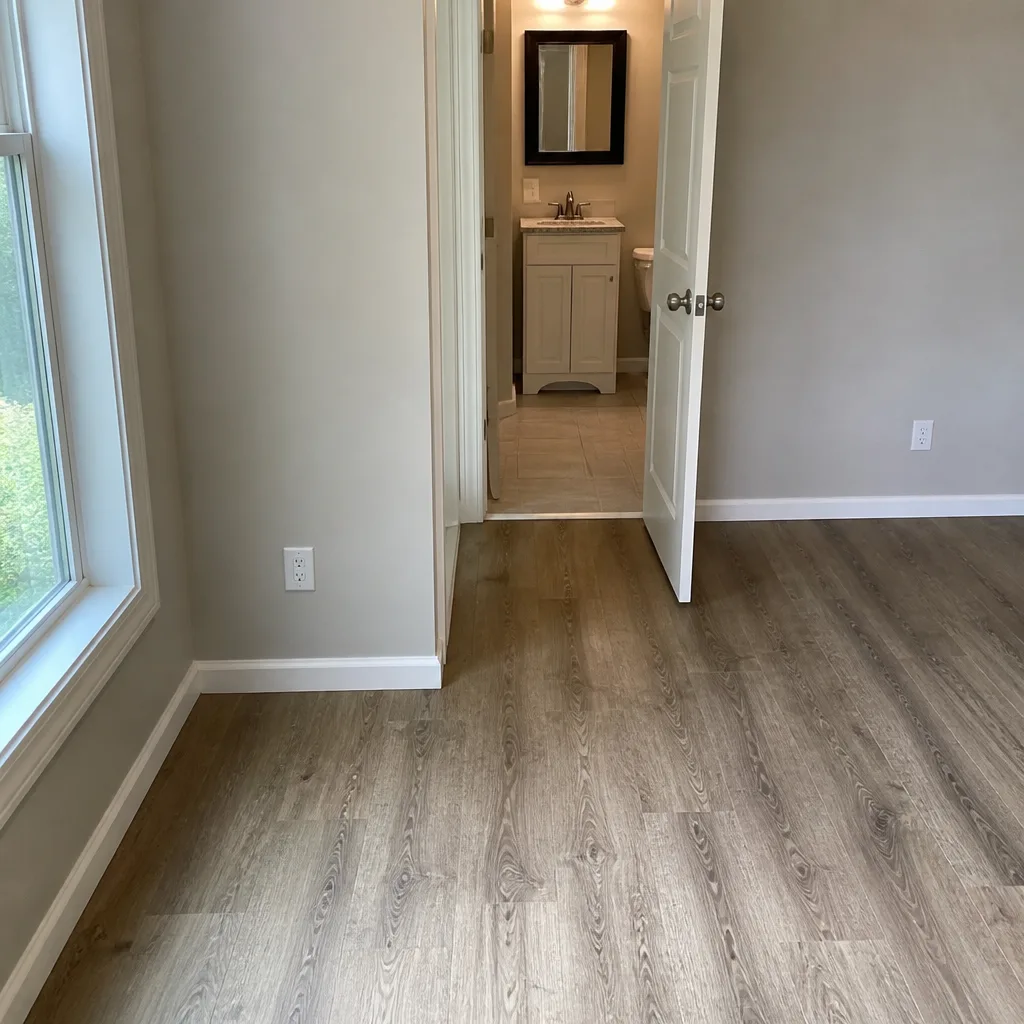

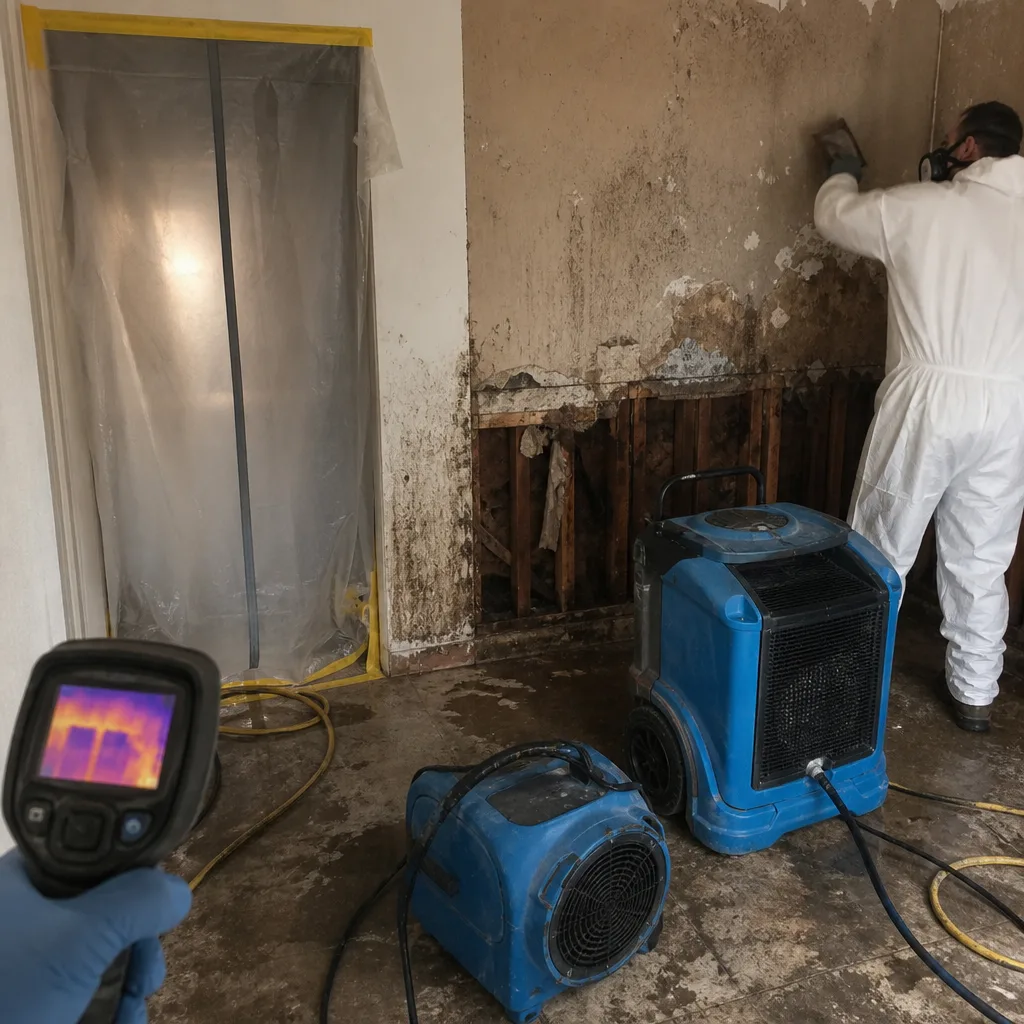 Before
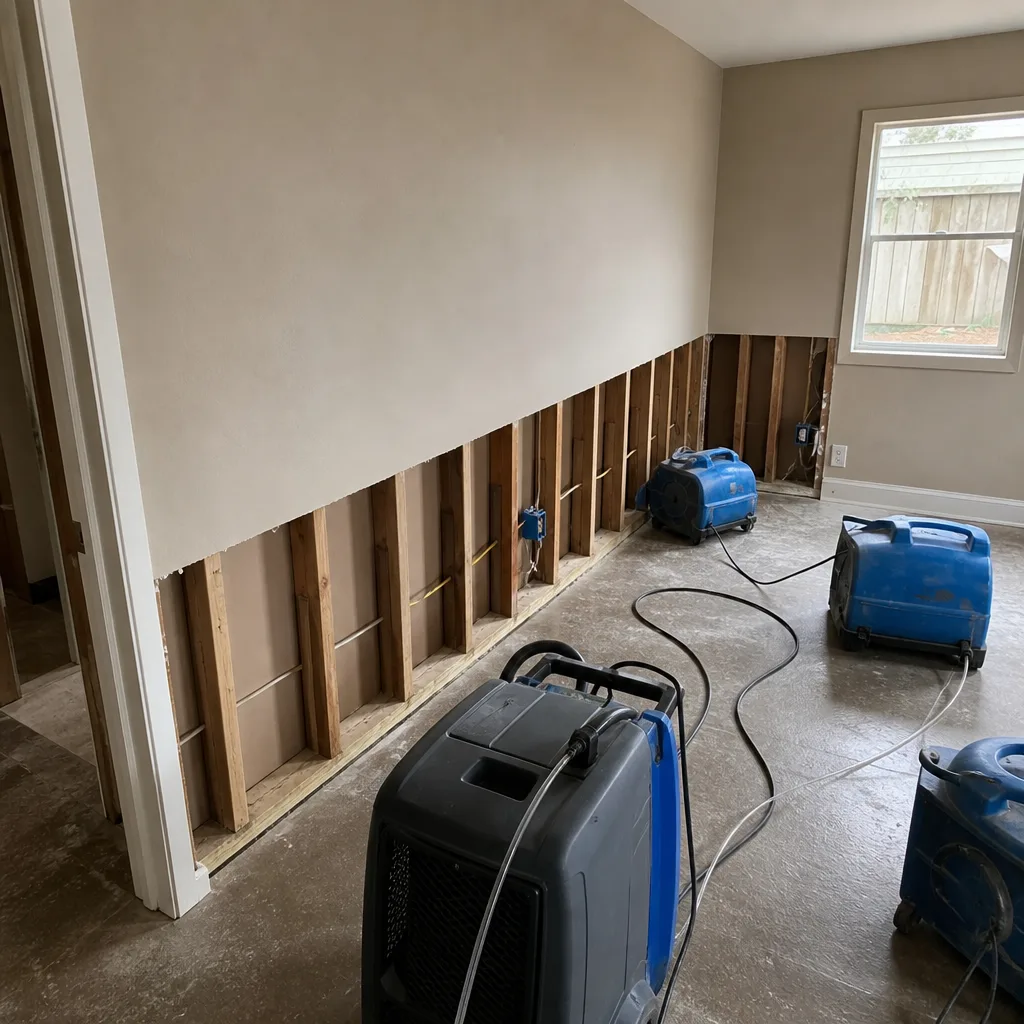 After
After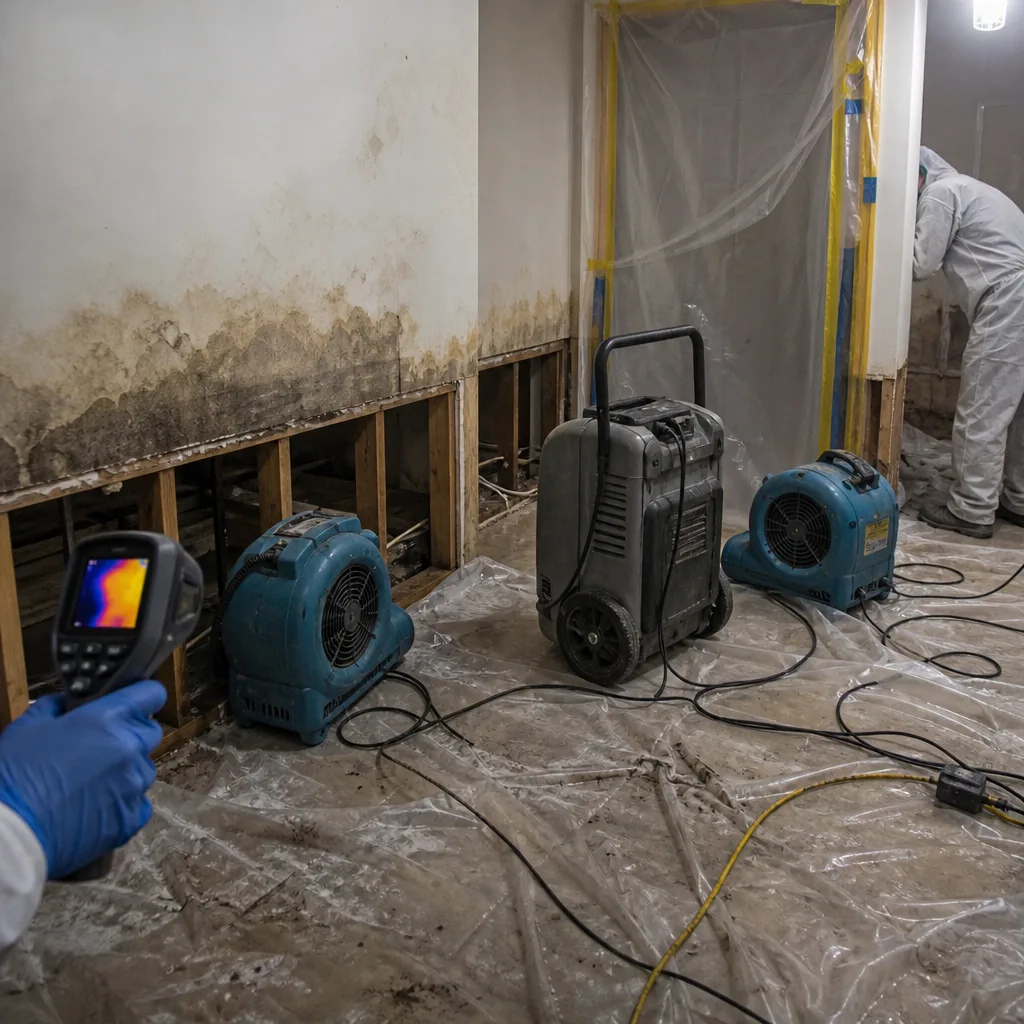 Before
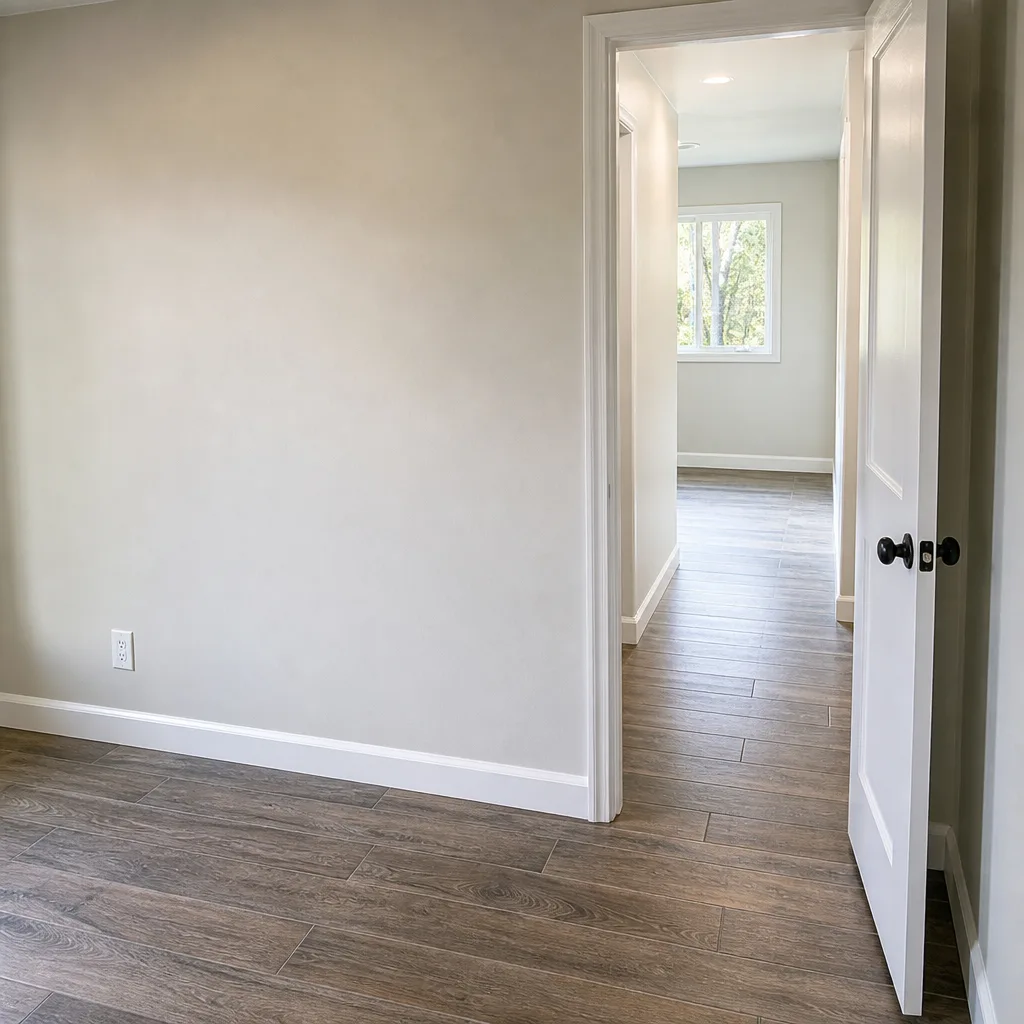 After
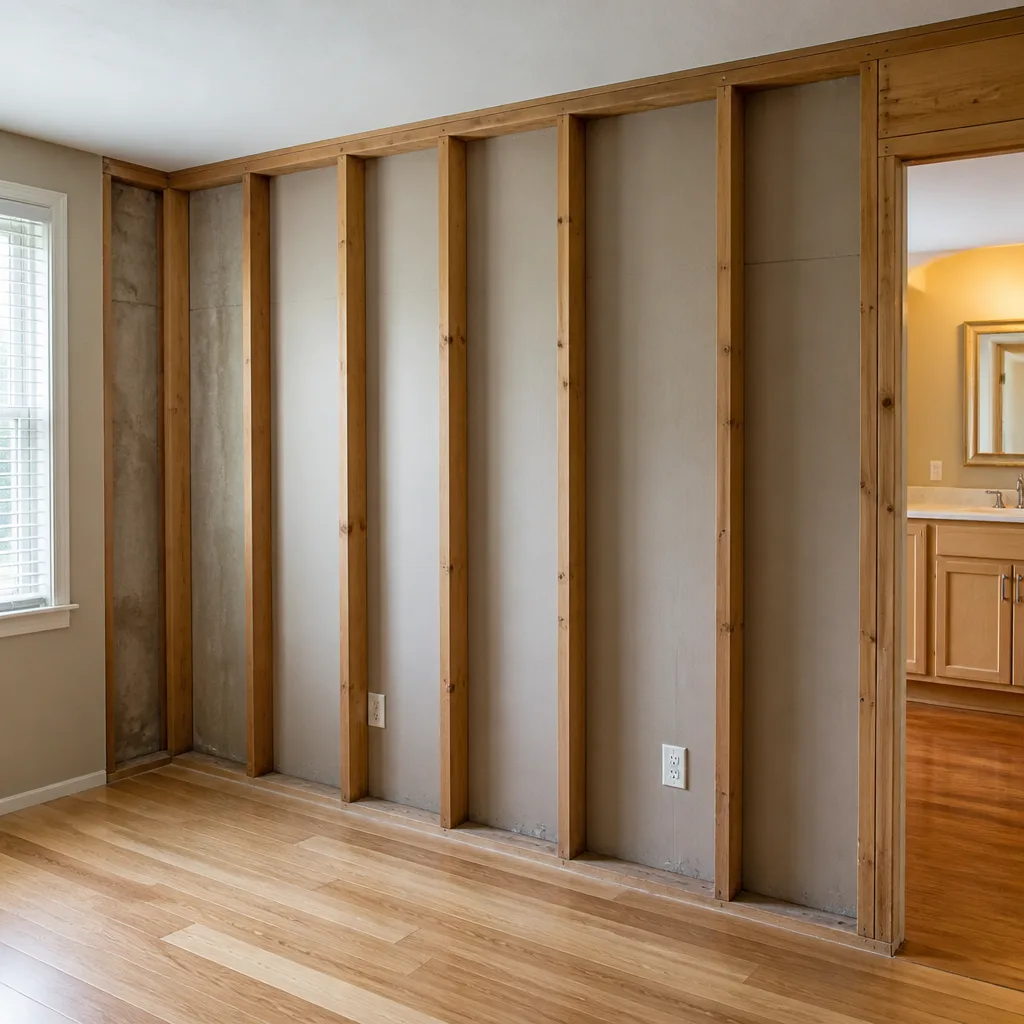
After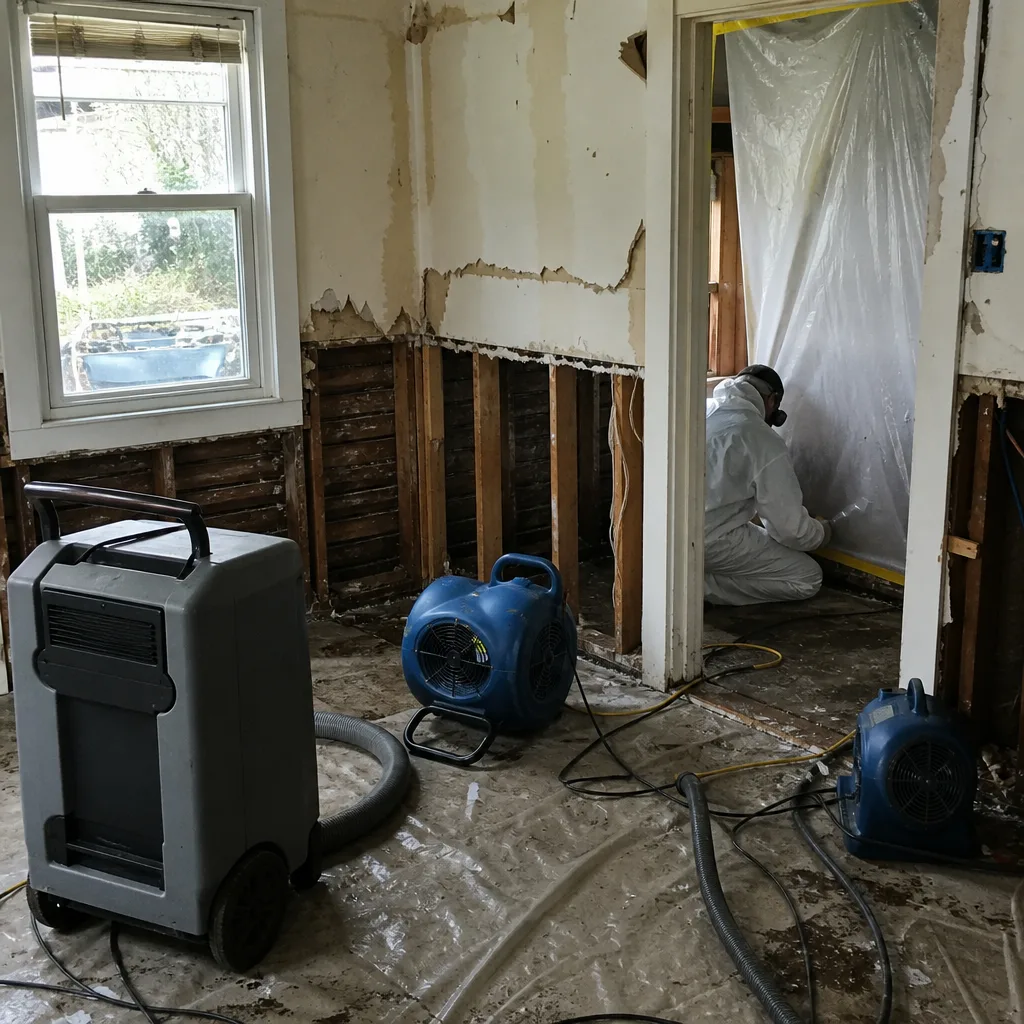 Before
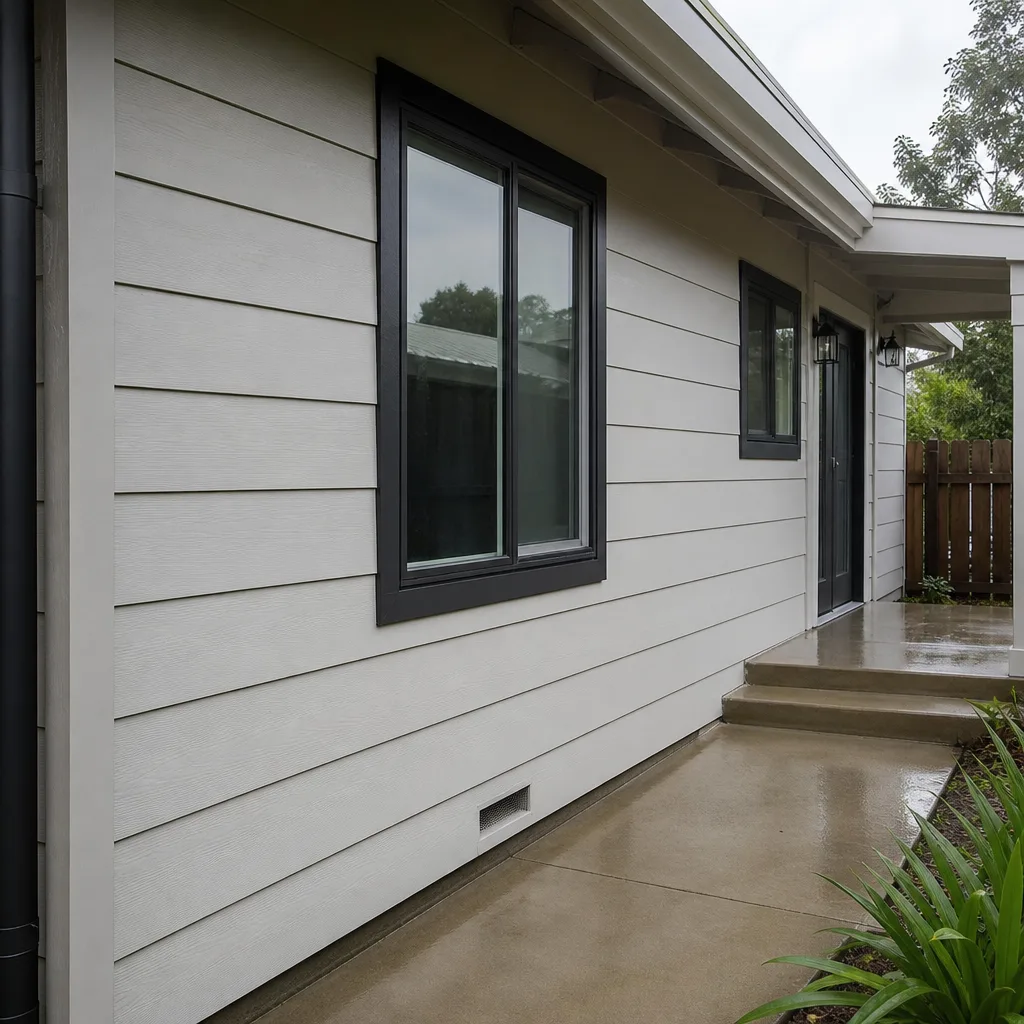 After
AfterFast, Reliable Fire & Smoke Damage Restoration Across San Diego
Fire and smoke damage restoration in San Diego typically runs $3,200-$18,500 depending on structural involvement, with smoke and soot mitigation alone averaging $2,800-$7,400 for a single-family home. Most San Diego properties affected by wildfire smoke infiltration require 3-7 days of active mitigation before reconstruction can begin. Our San Diego office dispatches crews 24 hours a day, 7 days a week, and we arrive with a written price before any work starts - Haven Standard, Clause 1.
San Diego’s fire restoration market is unlike any other in Southern California. The Santa Ana wind-driven wildfire cycle that tore through Rancho Bernardo and Scripps Ranch in 2003 and 2007 created a sequential two-disaster restoration demand that is structurally built into this city’s geography. Fires push smoke and soot contamination across hundreds of inland structures simultaneously. Then the same burned hillsides, stripped of vegetation, shed ash-laden runoff into identical neighborhoods the following winter rain season. This fire-then-flood sequence does not exist in neighboring coastal Orange County or central Los Angeles. Our crews have managed both phases on the same properties. We know what the second disaster looks like before it arrives, and we document for it.
Call (858) 264-2736. A live person answers. No voicemail trees while your home is still venting smoke.
Why DryMark Restoration La Mesa Is San Diego’s Preferred Fire & Smoke Damage Restoration Company
We’ve restored more than 12,000 homes since 2011, every one with a written price before work started and a documented record when the crew left. Our founder built Back to Dry around the documentation gap that costs homeowners their claims - the missing moisture readings, the absent photo records, the verbal scopes that insurers dispute. In San Diego, that gap is widest after wildfire events, when hundreds of properties need simultaneous assessment and adjusters are overwhelmed.
Our San Diego customers leave reviews mentioning the same details: the crew arrived named and uniformed, the license number was provided on request, the photo record arrived by email before the crew left the site. We don’t sell reassurance. We deliver evidence.
Response time to San Diego neighborhoods averages 45-90 minutes from dispatch, depending on traffic on I-5, I-8, or SR-163. For emergency board-up and tarping after active fire, we prioritize structural security calls first - a compromised roof deck in Rancho Bernardo during Santa Ana wind conditions can sustain more damage in two hours than in two days of calm weather.
Our San Diego office coordinates scheduling and dispatch locally. Crews serving San Diego carry equipment from Dri-Eaz, Phoenix, and Injectidry systems, documented to IICRC and RIA standards. The daily drying logs and psychrometric data - that’s the measurable relationship between air temperature, humidity, and vapor pressure - are what turn restoration invoices into payable insurance claims.
Our Fire & Smoke Damage Restoration Services in San Diego
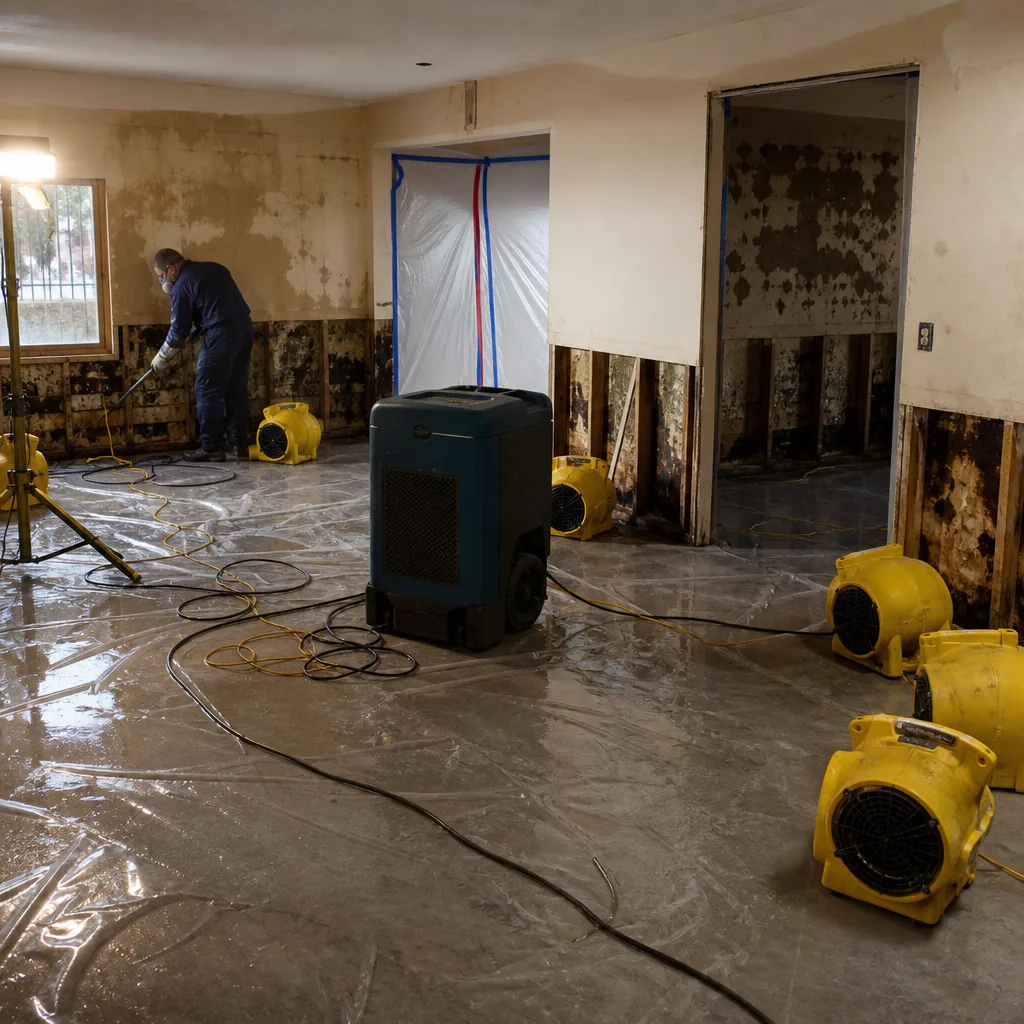
Fire Damage Cleanup
Fire damage cleanup in San Diego begins with structural stabilization and safety assessment. We board up compromised openings, tarp damaged roof sections, and evaluate whether the structure can support interior work. In San Diego’s post-WWII slab-on-grade tract housing in Clairemont and Mira Mesa, fire damage frequently reveals additional hazards: older copper supply lines stressed by heat, and in pre-1978 construction, asbestos-containing materials that require abatement before demolition can proceed. Our written scope identifies each hazard, prices it separately, and requires your signature before work advances.
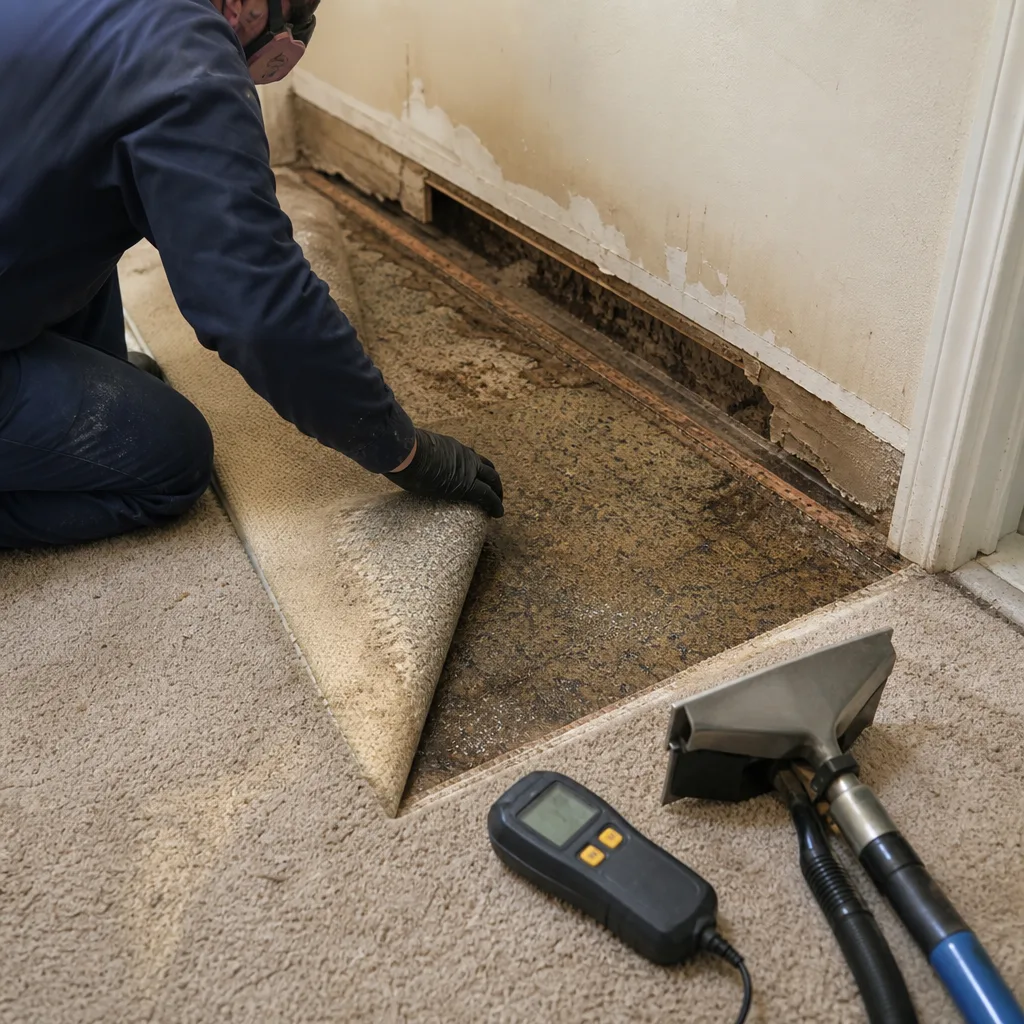
Smoke & Soot Removal
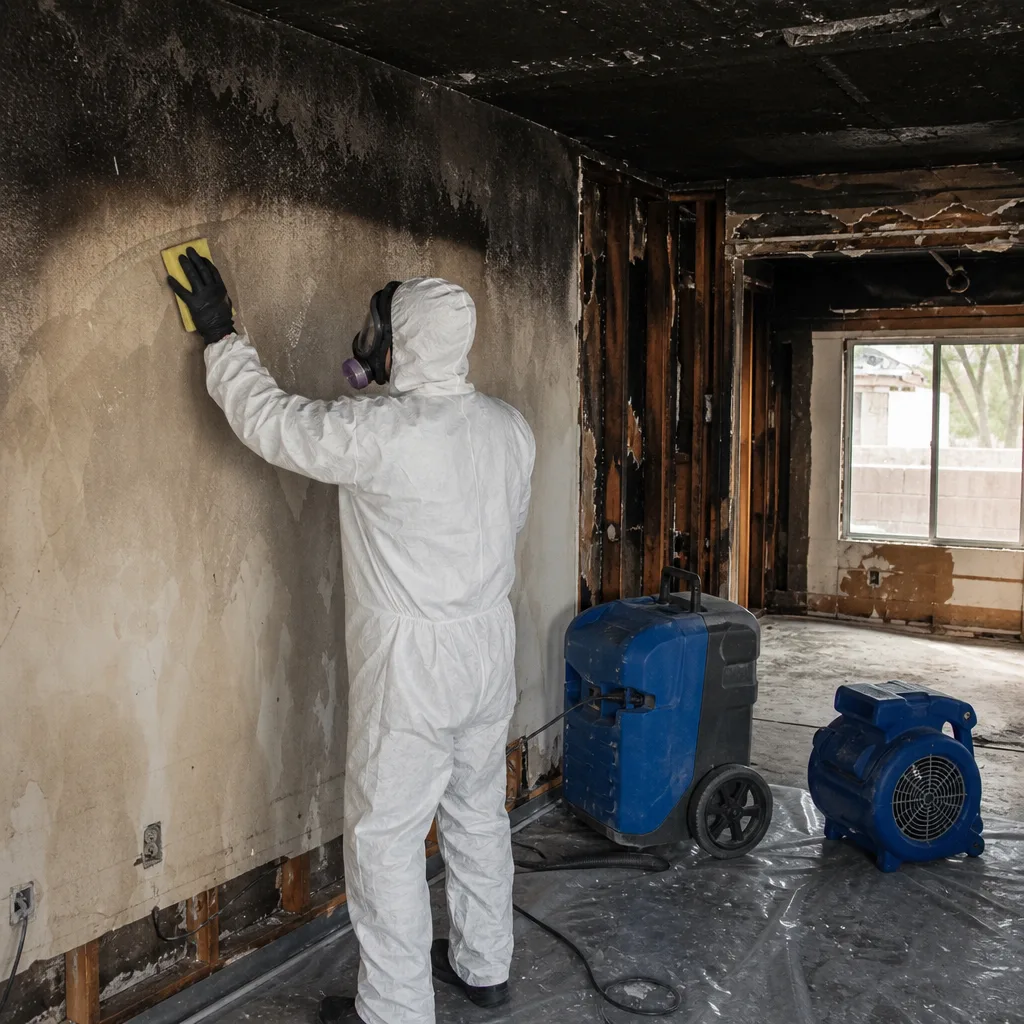
Smoke and soot removal is where most San Diego wildfire restoration jobs live. After the 2007 Witch Creek Fire, our crew worked a smoke-damaged home in Scripps Ranch where soot had infiltrated the HVAC system and settled on every horizontal surface, requiring full containment and HEPA filtration before any structural cleaning could begin. We completed a full pack-out of contents for off-site cleaning, sealed the structure with emergency board-up, and ran hydroxyl generators for odor removal while documenting pre-loss condition for the insurance scope of work.
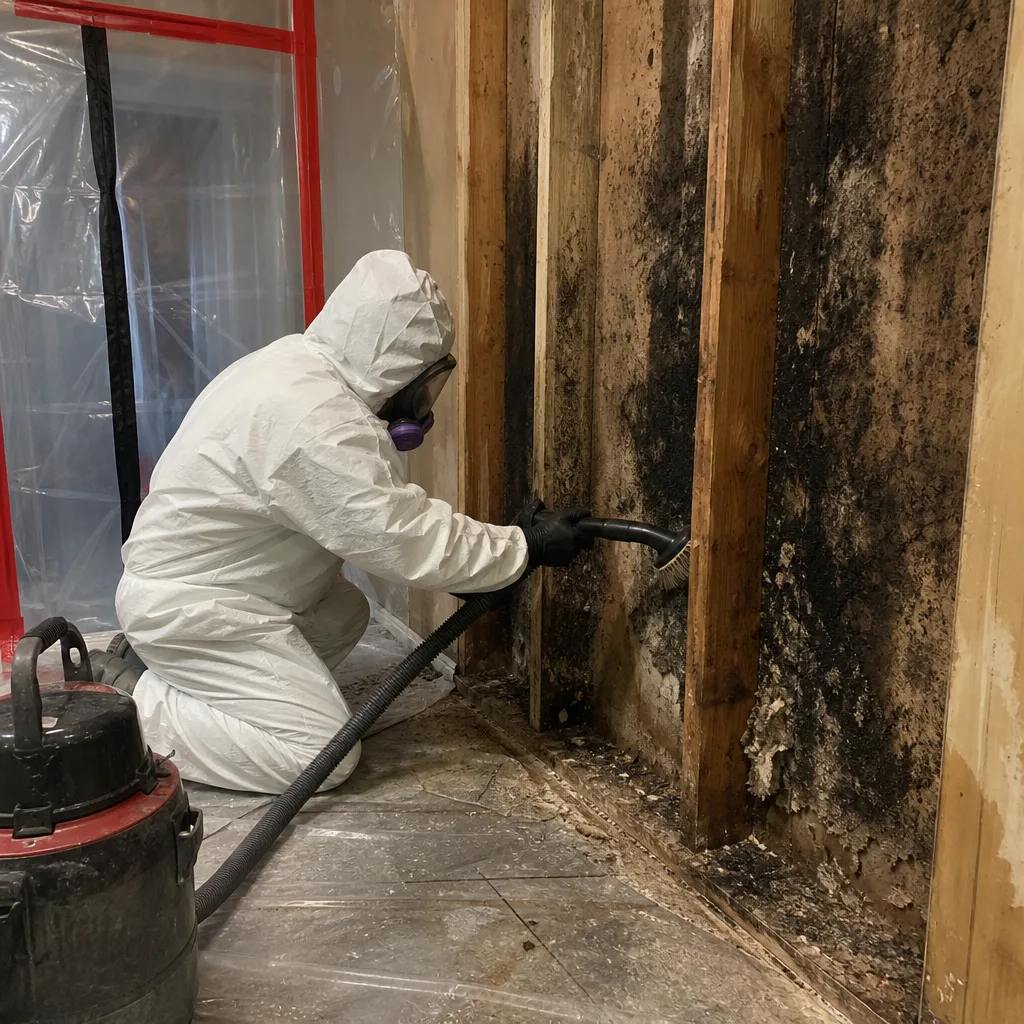
Contractors who treat post-wildfire smoke damage in Rancho Bernardo or Scripps Ranch as a surface-cleaning job miss the real problem. Soot infiltrates wall cavities, attic spaces, and HVAC ducts. The acidic residue continues corroding metal surfaces and off-gassing odor for months. We cut access panels, scope interior cavities with borescope cameras, and clean to the source - not to what shows.
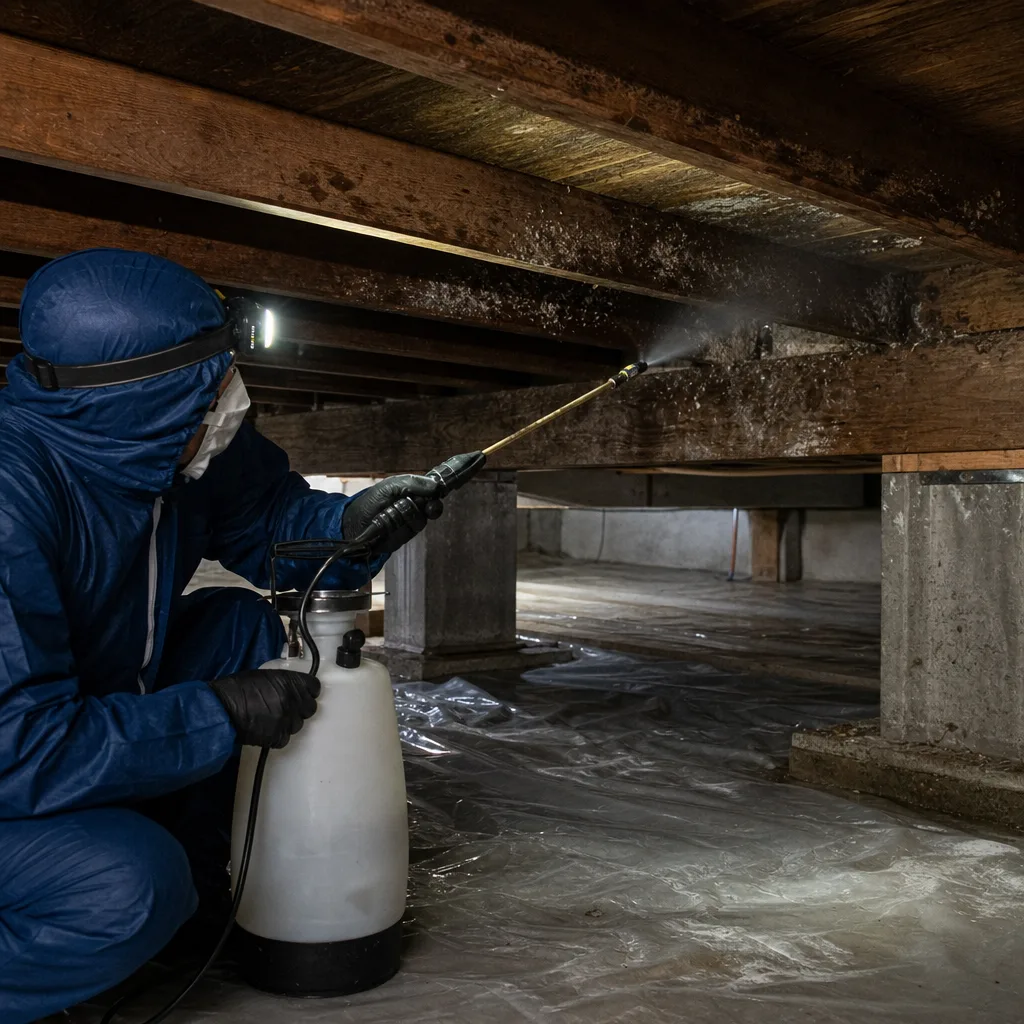
Odor Removal & Deodorization
Smoke odor in San Diego homes requires more than masking. We deploy hydroxyl generators and thermal fogging systems that break odor molecules at the chemical level, not cover them with fragrance. The marine layer humidity along the coastal strip from Ocean Beach to La Jolla complicates this work: moisture in the air reactivates soot particles, making odor seem to return on foggy mornings even after cleaning. Our process includes dehumidification to vapor pressure differential specifications - that’s the measurable force that drives moisture from wet materials into dry air - before odor treatment begins. Otherwise you’re treating symptoms while the cause persists.
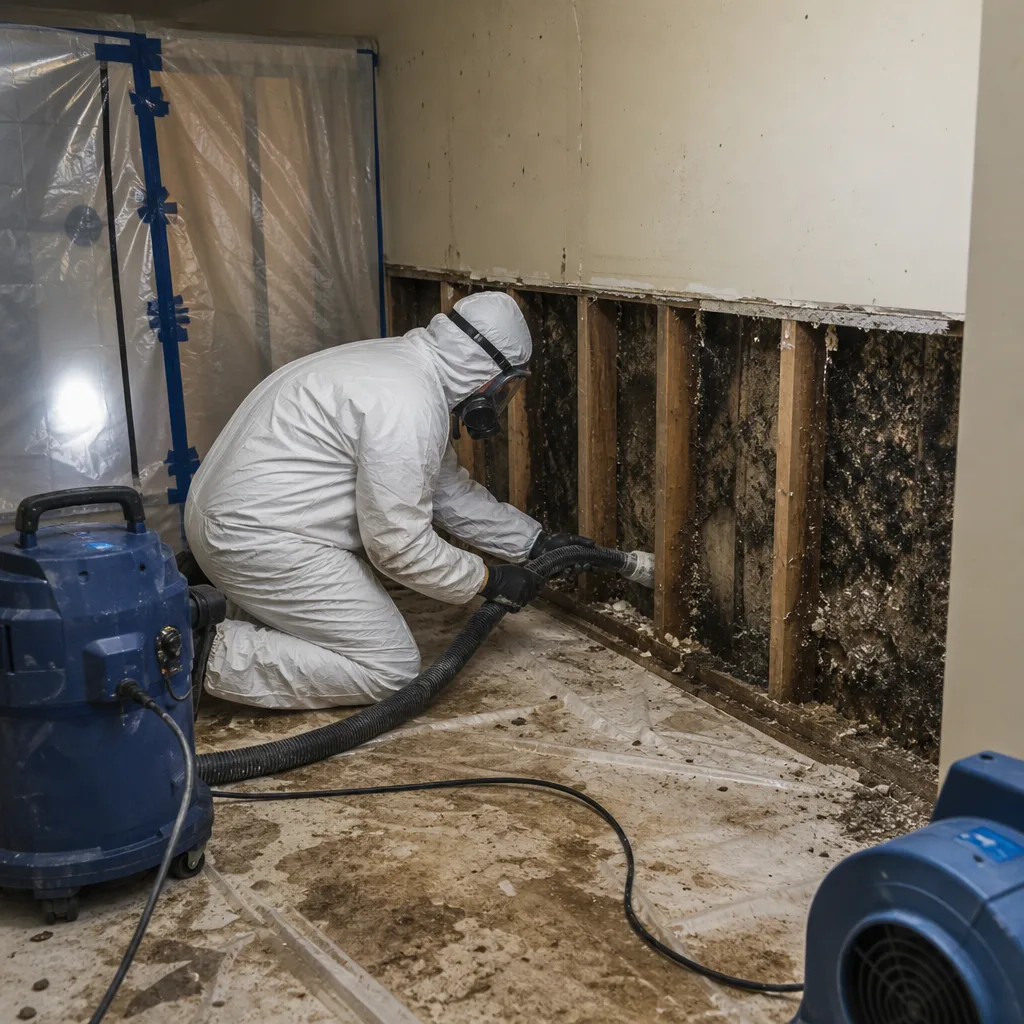
Contents Cleaning & Pack-Out
Contents cleaning and pack-out protects salvageable personal property from ongoing smoke and soot exposure. In San Diego’s competitive housing market, many homeowners have invested significantly in furnishings, art, and electronics. We inventory each item with photo documentation, pack with acid-free materials, and transport to our facility for ultrasonic cleaning, ozone treatment, or specialized textile restoration. Your inventory list with condition photos is delivered as a standard document, never an upsell. For insurance purposes, this record distinguishes pre-loss condition from fire damage - a distinction that saves thousands in disputed claims.
What happens when you call
- 1
A real person answersNo phone trees - you reach a local pro.
- 2
You get an upfront price rangeHonest numbers before anyone is dispatched.
- 3
A background-checked tech heads outLicensed & insured, dispatched right away.
- 4
You approve before work beginsNothing starts until you say go.
 Before
 After
AfterTrusted Brands We Service in San Diego
Our Fire & Smoke Damage Restoration team deploys professional-grade equipment from Dri-Eaz, Phoenix, XPOWER, and Injectidry - brands specified in IICRC S500 and S700 standards for water and fire damage restoration. We maintain local inventory of HEPA filtration units, hydroxyl generators, and desiccant dehumidifiers at our San Diego coordination office, so equipment arrives with the crew rather than after a rental delay. For San Diego homeowners navigating insurance claims, this matters: every day of equipment delay extends temporary housing coverage and inflates the claim. We document equipment deployment times in our daily logs, so your adjuster sees exactly when active mitigation began.
Common Fire & Smoke Damage Restoration Problems We See in San Diego Homes
- Hidden soot infiltration in HVAC systems. San Diego’s wildfire smoke travels miles through canyon corridors. We regularly find soot accumulation in ductwork of homes that never saw flame, particularly in Scripps Ranch and Rancho Bernardo properties downwind of burn areas. The HVAC system distributes this residue to every room. We scope ducts with video inspection before declaring any smoke job complete.
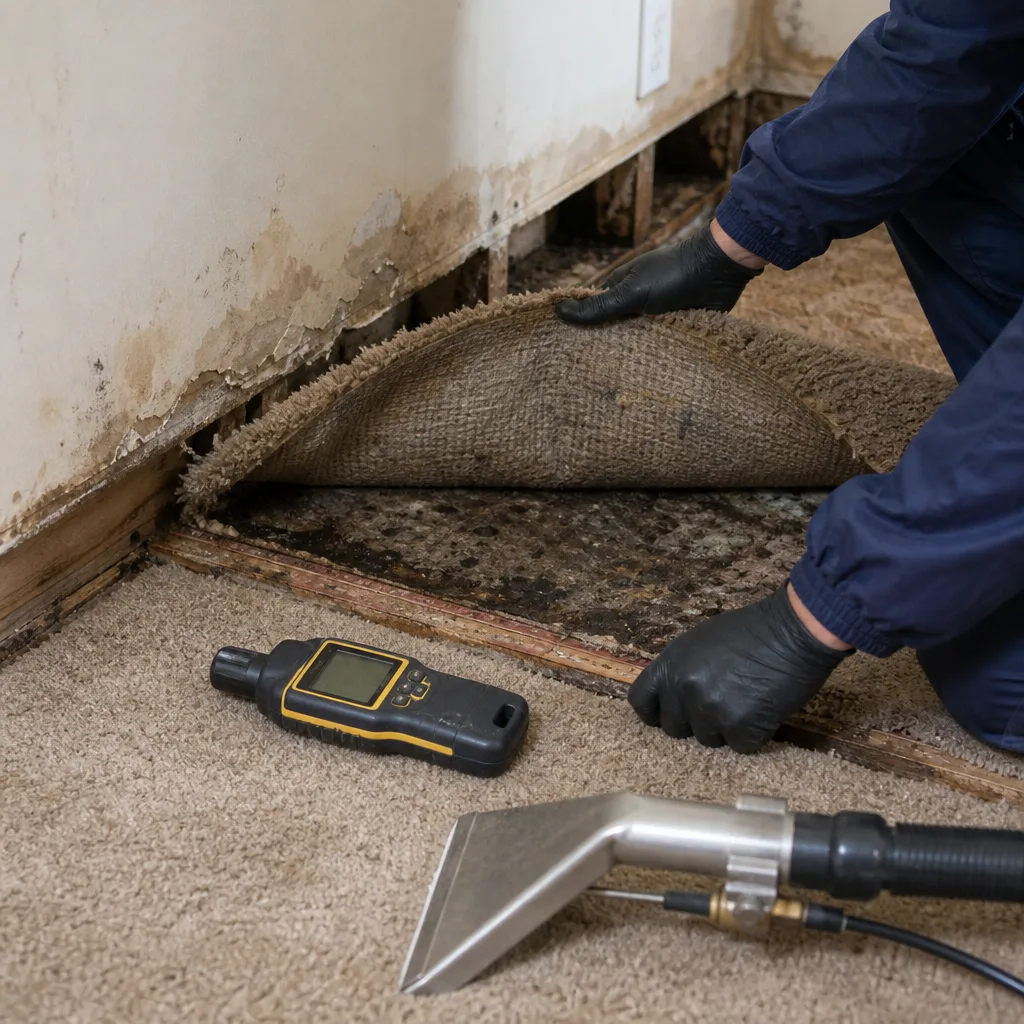
- Moisture-driven mold behind stucco cladding after fire suppression. Firefighters do their job with water. Then San Diego’s coastal marine layer and fog-driven humidity along the Ocean Beach to La Jolla strip keep wall cavities wet for days. Contractors who assume the climate is too dry for mold miss colonies establishing within 24 to 48 hours. We take moisture readings on every stud and sheathing surface before closing walls.
- Ash-contaminated runoff in burn-scar neighborhoods. Crews respond to winter stormwater flooding in Ramona or Alpine without hazmat protocols, failing to recognize that runoff across recent burn scars carries asbestos, melted PVC, and heavy metals from destroyed older homes. What looks like a Category 1 stormwater loss becomes a Category 3 hazardous materials event. We test before we pump.
- Two-phase claims documentation gaps. The same property suffers smoke damage in October and flooding in January. Insurers sometimes treat these as separate claims with separate deductibles. Our documentation from the first phase establishes pre-existing condition, preventing disputes about which damage belongs to which event.
Pricing for Fire & Smoke Damage Restoration in San Diego, CA
Fire and smoke damage restoration pricing in San Diego reflects the specialized labor, equipment, and documentation required. These are actual ranges for our market:
| Service | Typical Range in San Diego |
|---|---|
| Emergency board-up and tarping | $850-$2,400 |
| Smoke and soot mitigation (per affected room) | $1,200-$3,800 |
| HVAC system cleaning and deodorization | $1,800-$4,500 |
| Contents pack-out and cleaning (per room equivalent) | $900-$2,600 |
| Odor removal and deodorization (whole house) | $2,200-$5,800 |
| Structural fire repair and reconstruction | $8,500-$45,000+ |
What moves a job within these ranges: square footage affected, smoke damage classification (wet smoke from slow-burning fires is harder to clean than dry smoke from fast-burning materials), structural involvement requiring engineering assessment, and hazardous material discovery requiring abatement. Every job receives a written price before work begins - Haven Standard, Clause 1 - with no scope-creep additions once the crew is inside. Bring a competitor’s written estimate and we’ll review it at no charge. Call (858) 264-2736 for a free assessment with exact pricing.
We Also Serve Cities Near San Diego
Our Fire & Smoke Damage Restoration in San Diego coverage extends to Coronado, National City, Chula Vista, and Lemon Grove. Crews dispatched from our San Diego coordination office reach these communities with the same equipment inventory and documentation standards. Whether you’re in Coronado’s island housing stock with its salt-air corrosion complications, or Chula Vista’s Eastlake developments facing wildfire smoke exposure from Otay Mountain burns, we document for your specific conditions.
Serving San Diego, CA - Our Local Coverage Area
We’re based in the San Diego area and know this community well. Use the map below to see our service coverage - if you’re nearby, we can almost certainly help.
FAQs - Fire & Smoke Damage Restoration in San Diego
Because burned hillsides lose all vegetation, and San Diego’s winter rain season carries ash-laden runoff from those same slopes into properties that suffered smoke damage months earlier. The 2003 Cedar Fire and 2007 Witch Creek Fire both produced this two-disaster sequence in Rancho Bernardo and Scripps Ranch. We document smoke damage with this possibility in mind, photographing foundation drainage, grading, and vulnerable entry points so that if winter flooding occurs, we can establish what damage predates the water event. Call (858) 264-2736 if your fire-damaged property is in a burn-scar zone - we’ll assess flood vulnerability during the initial scope.
Wildfire smoke travels farther and penetrates deeper than typical structure-fire smoke. In San Diego’s canyon-and-ridge topography, Santa Ana winds push smoke plumes across entire neighborhoods. The smoke contains a broader mix of burned vegetation, plastics, and structural materials, creating more complex soot chemistry. We regularly find wildfire soot in attic insulation and wall cavities of homes that never had direct flame exposure. Normal house fire restoration assumes a contained source. Wildfire restoration assumes widespread infiltration. Our containment and HEPA protocols reflect that difference. Call (858) 264-2736 for wildfire-specific assessment.
Yes. Fire suppression water plus San Diego’s coastal marine layer humidity creates conditions for hidden mold within 24 to 48 hours, especially behind stucco cladding where moisture becomes trapped. We take moisture readings on every structural surface before declaring mitigation complete. The readings are logged daily and delivered with the photo record. Even if the fire was small and contained, the water used to extinguish it may have reached wall cavities through hose pressure or ceiling breach. Call (858) 264-2736 - moisture assessment is included in our initial scope, not sold separately.
Because runoff across recent burn scars carries asbestos from destroyed older homes, melted PVC, and heavy metals from incinerated structures and vehicles. In Ramona and Alpine, we’ve tested stormwater that appeared clean and found contamination levels requiring hazmat protocols. Category 1 stormwater - that’s clean water from rain or supply line breaks - becomes Category 3 hazardous materials when it contacts wildfire ash. Crews without hazmat certification who pump and dry without testing expose occupants to contaminants and create liability that insurers may deny. We test first, document the results, and scope accordingly. Call (858) 264-2736 for post-wildfire flood assessment.
We use hydroxyl generators and thermal fogging that break odor molecules at the chemical level, followed by vapor pressure differential-controlled drying to remove the moisture that reactivates residual soot. Masking agents fail because San Diego’s marine layer humidity reactivates soot particles seasonally, making odor return on foggy mornings. Our process includes source removal - the physical cleaning of all affected surfaces - before any odor treatment begins. Then we verify with olfactory testing and air quality measurement, not just “does it smell better now.” The documentation goes to your adjuster. Call (858) 264-2736 to schedule odor assessment with exact pricing.
Written by Alicia Brennan, Owner at Back to Dry Restoration, serving San Diego since 2011.