
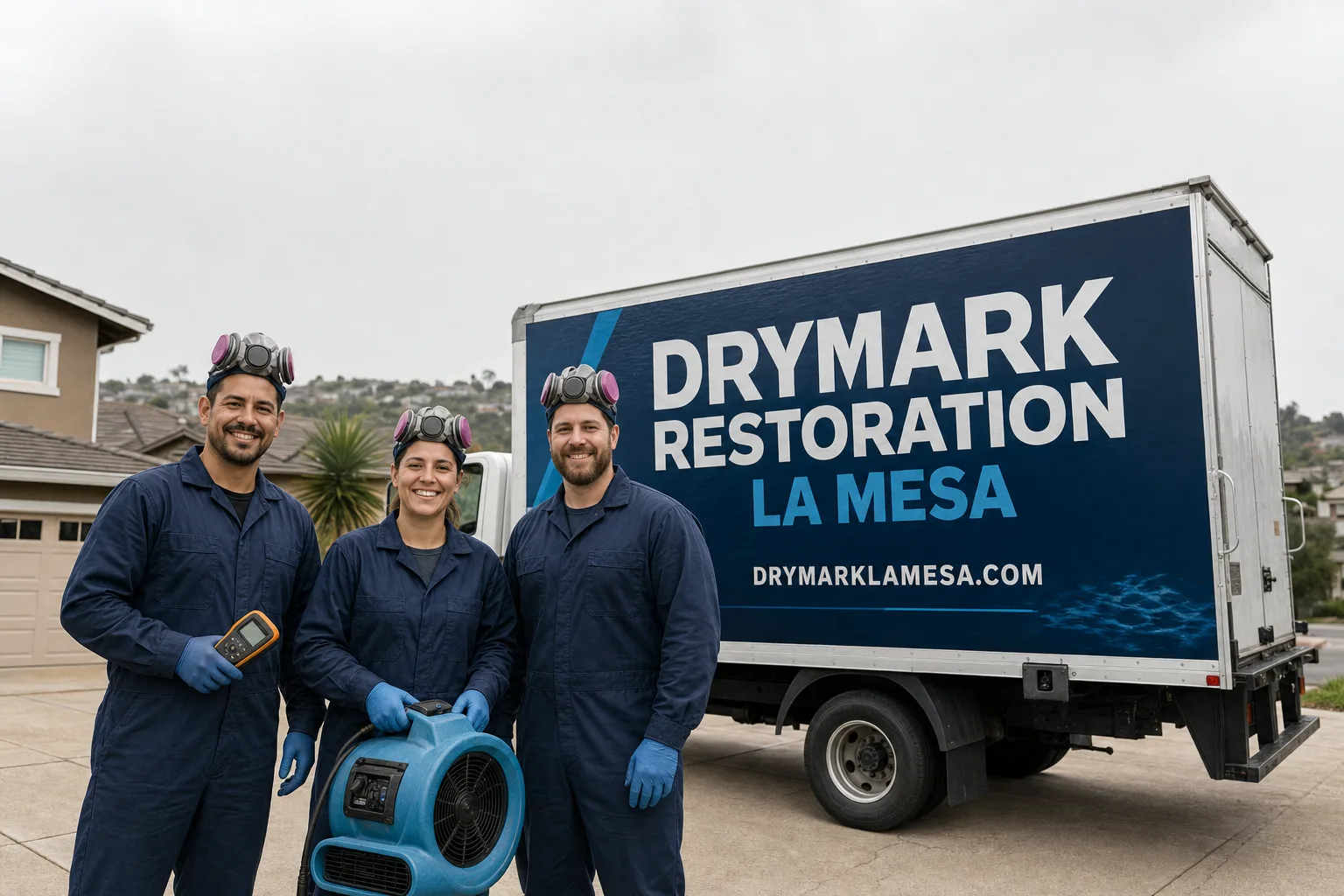
Free visual inspection and a written scope of work before any mitigation begins - photos, moisture readings, and drying logs go in your claim file
The scope we write is the scope we bill. Anything new gets shown to you, in writing, before we touch it.
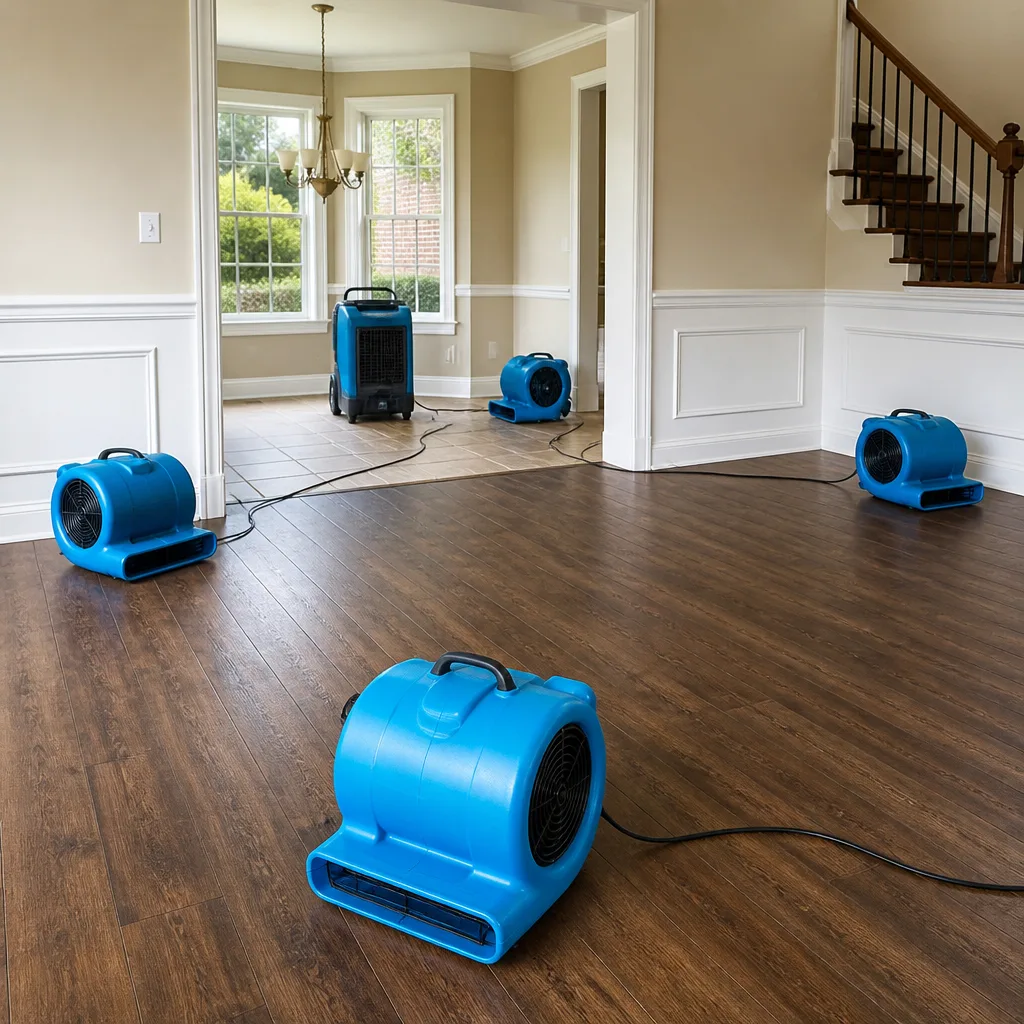

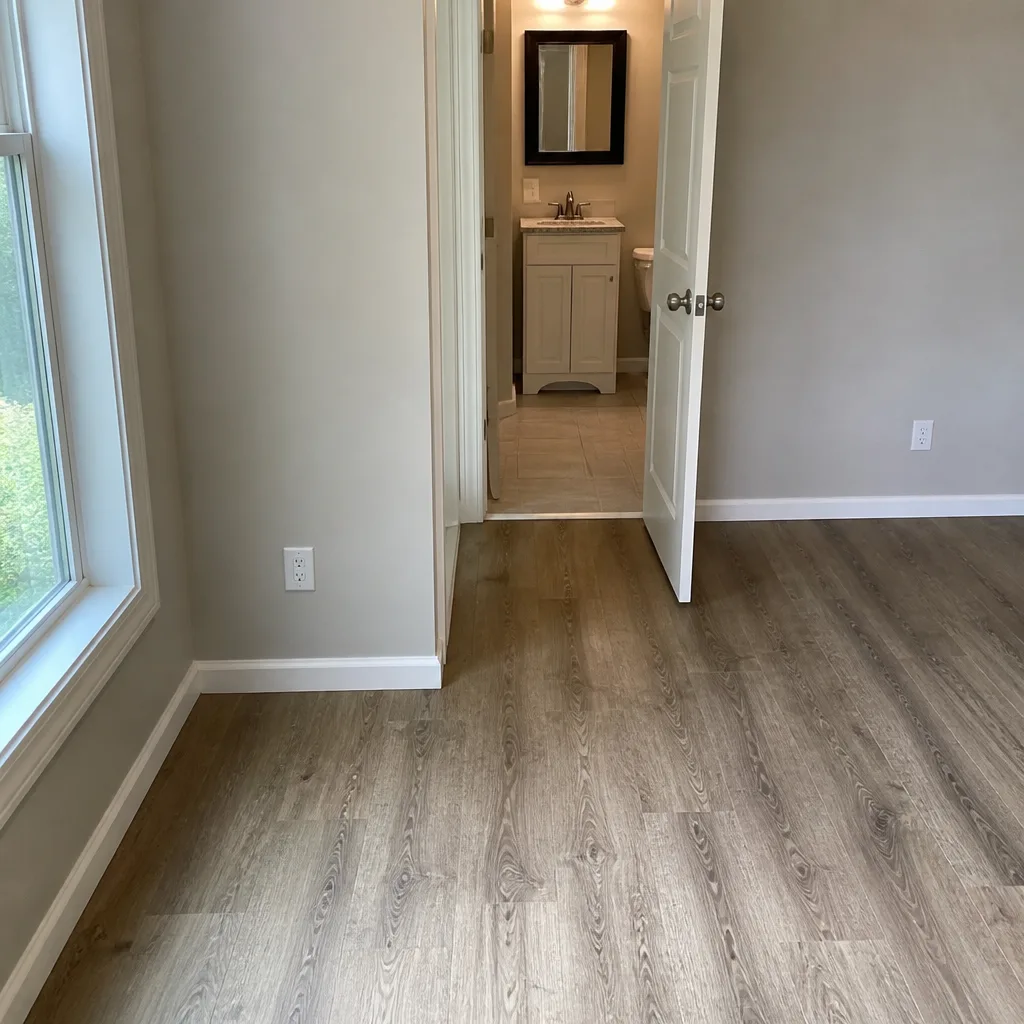

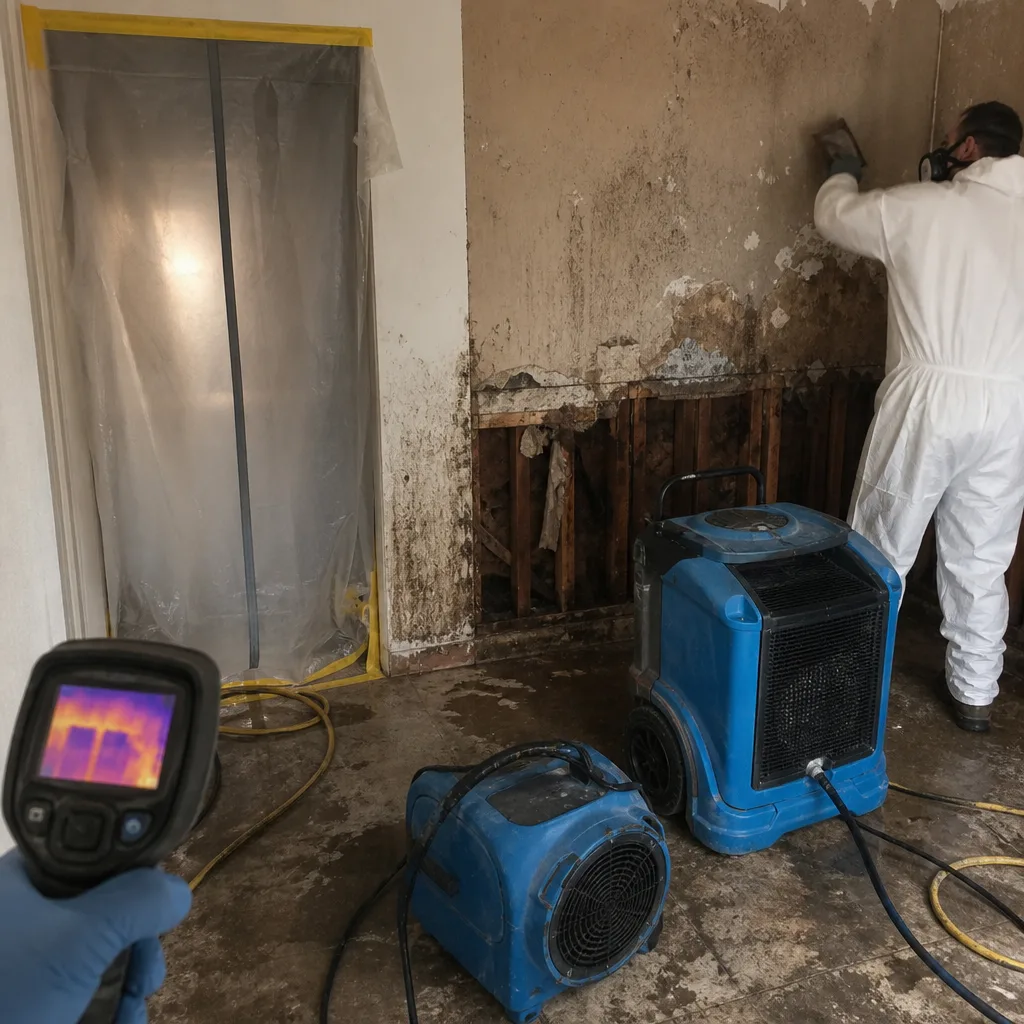 Before
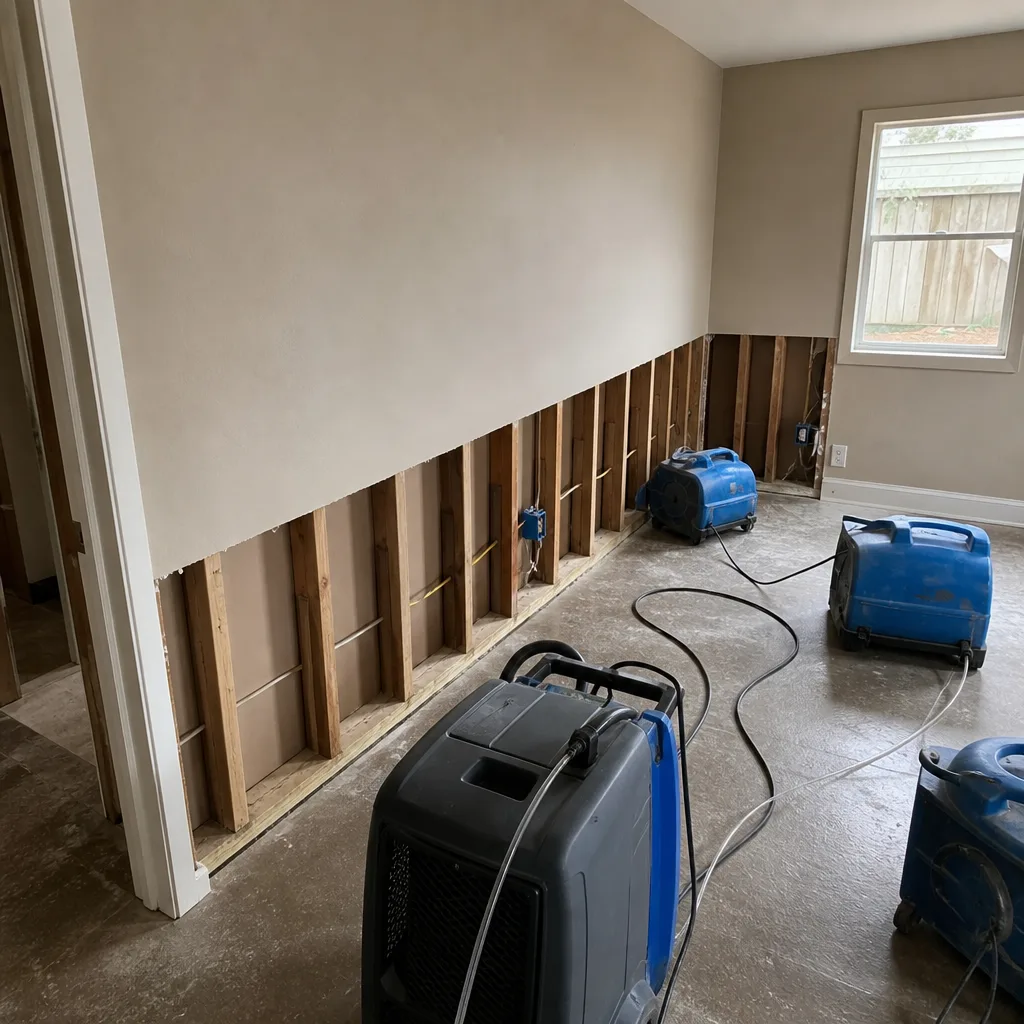 After
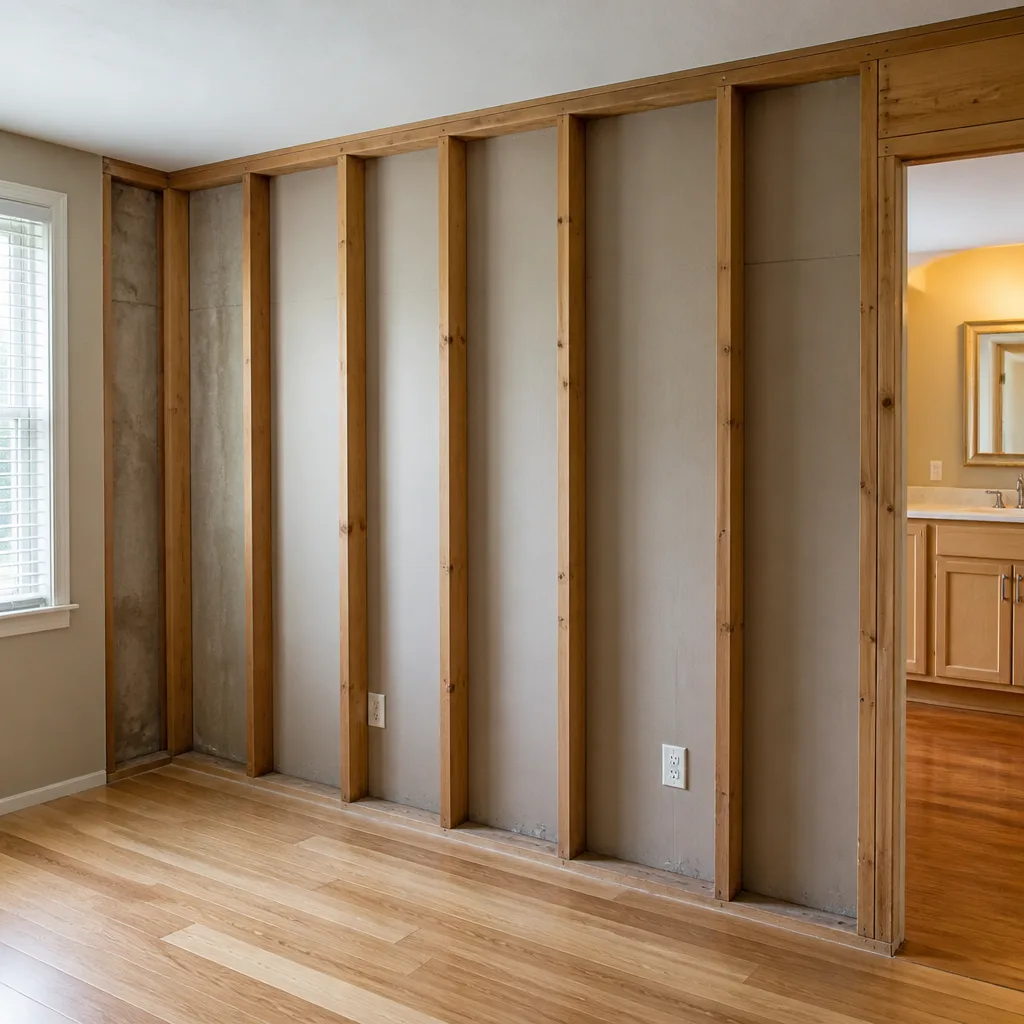
After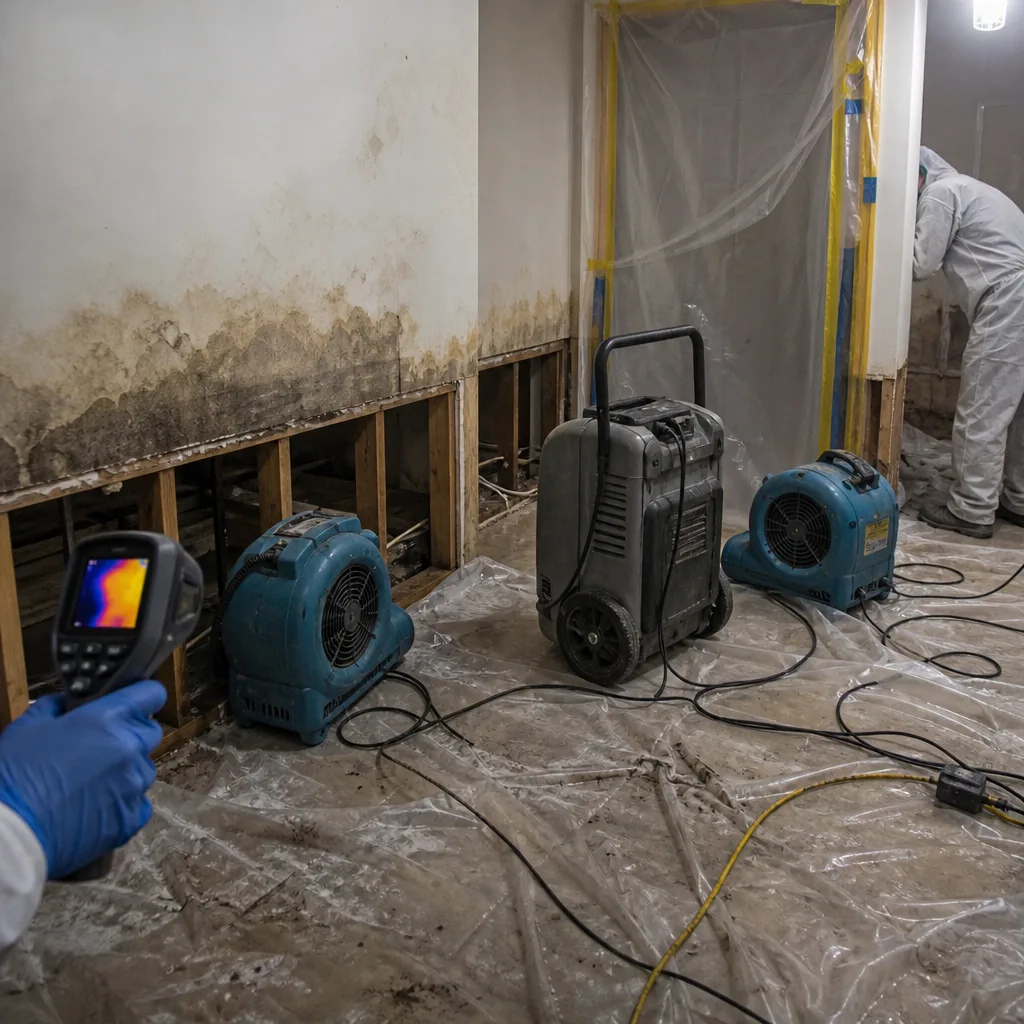 Before
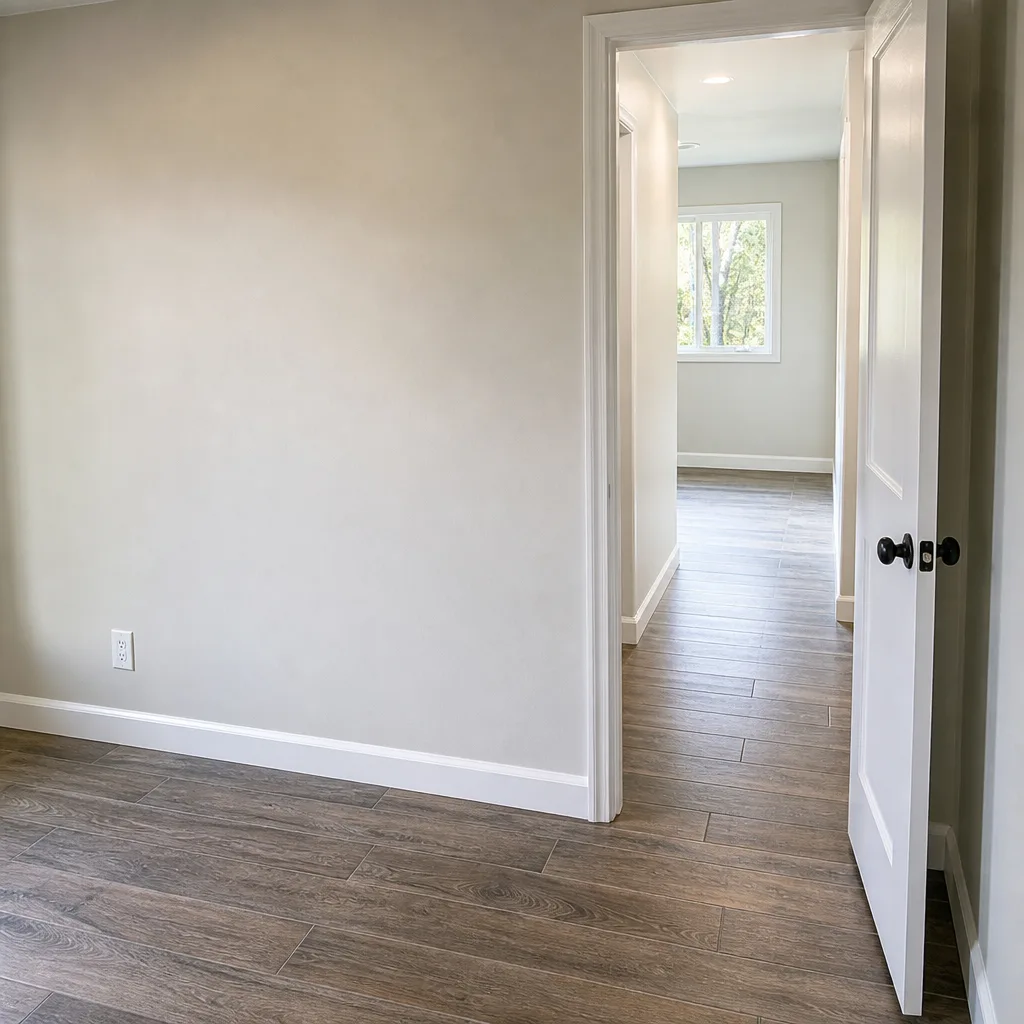 After
After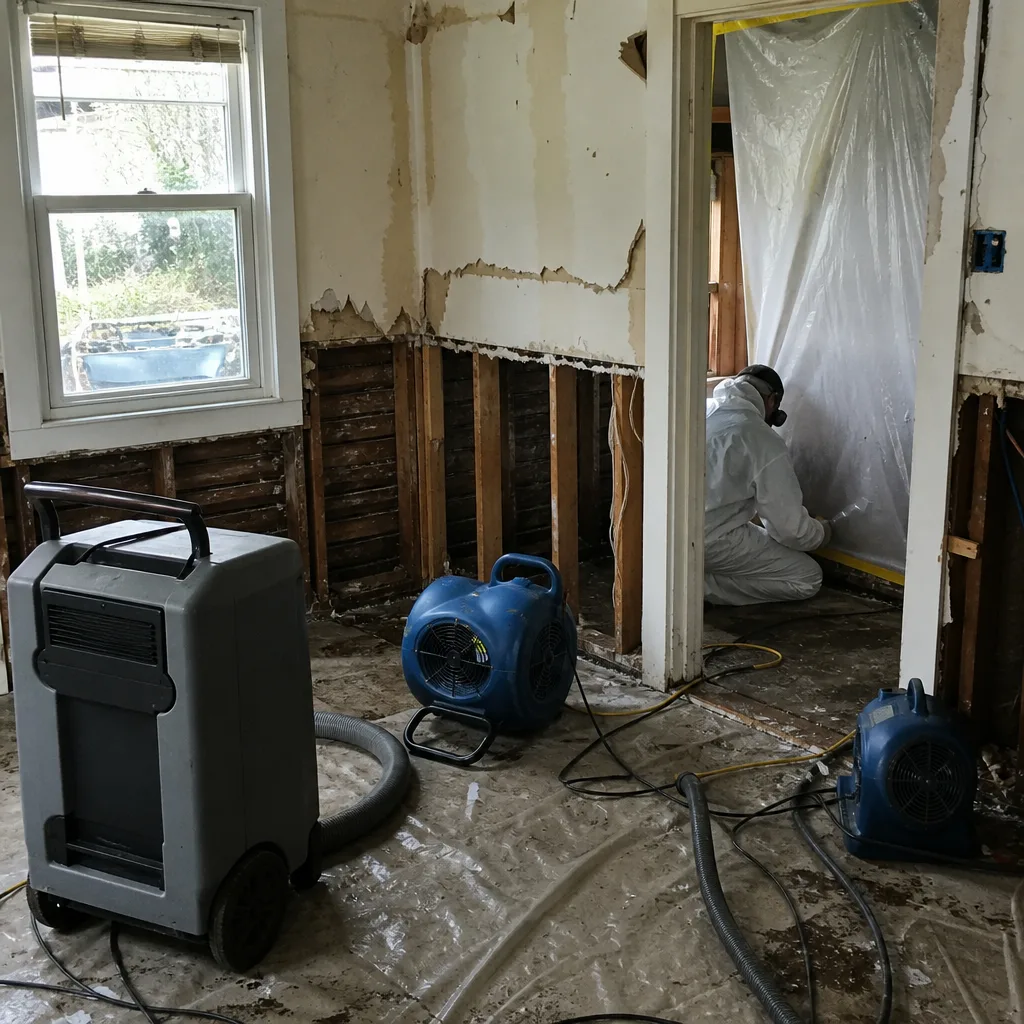 Before
 After
AfterFast, Reliable Water Damage Restoration Across Poway
Water damage restoration in Poway typically costs between $2,800 and $7,500 for a standard residential mitigation, with emergency water extraction starting at $1,200 and full structural drying with dehumidification running $3,500-$6,000 depending on affected square footage and contamination category. Our crews respond to Poway calls within 45-60 minutes during daylight hours, with live phone coverage 24 hours a day, 7 days a week at (858) 264-2736 - no voicemail trees, no next-business-day callbacks while water is still moving through your walls.
We’ve worked Poway’s canyon-edge neighborhoods, its 1970s tract homes off Espola Road, and the equestrian properties near Sycamore Canyon Road long enough to know that water damage here rarely arrives alone. The same Santa Ana wind patterns that drive wildfire smoke into attic cavities and HVAC return-air systems later push winter debris flows down those same burned hillsides. That’s why our Water Damage Restoration team documents every job with moisture readings, photo records, and written scopes before any equipment starts - because in Poway, what looks like a simple leak often carries a second contamination source that generic crews miss.
Why DryMark Restoration La Mesa Is Poway’s Preferred Water Damage Restoration Company
Back to Dry Restoration, led by Alicia Brennan and operating under The Haven Standard since 2011, has restored over 12,000 homes with one non-negotiable rule: a written price before work begins, every time, with no scope-creep additions once the crew is inside. Haven Standard, Clause 1. Our San Diego office coordinates dispatch and scheduling for Poway, meaning crews are local to the county and familiar with the inland valley’s specific conditions - the intense Santa Ana events, the post-fire debris flow patterns, the original shake roofs and stucco exteriors that hide moisture intrusion for weeks after suppression efforts end.
Poway homeowners research before they call. They read the three-star reviews. They want to see pricing and documentation standards upfront. We built this company around that exact customer - a former claims adjuster founded Back to Dry specifically because sloppy documentation costs homeowners their insurance claims. Every Poway job receives a documented photo record on every visit, daily drying logs with psychrometric data (temperature, relative humidity, and vapor pressure differential readings that prove the air is actually drying the structure, not just feeling dry), and a 365-Day Done Right Promise backed by The Haven Standard. If it’s not done right, we make it right - signed, not verbal.
We also offer a Free Second Opinion on any competitor’s written estimate. Bring another restoration company’s quote and we’ll review it at no charge. No urgency theatre, no countdown timers. Just evidence you can show your adjuster.
Our Water Damage Restoration Services in Poway
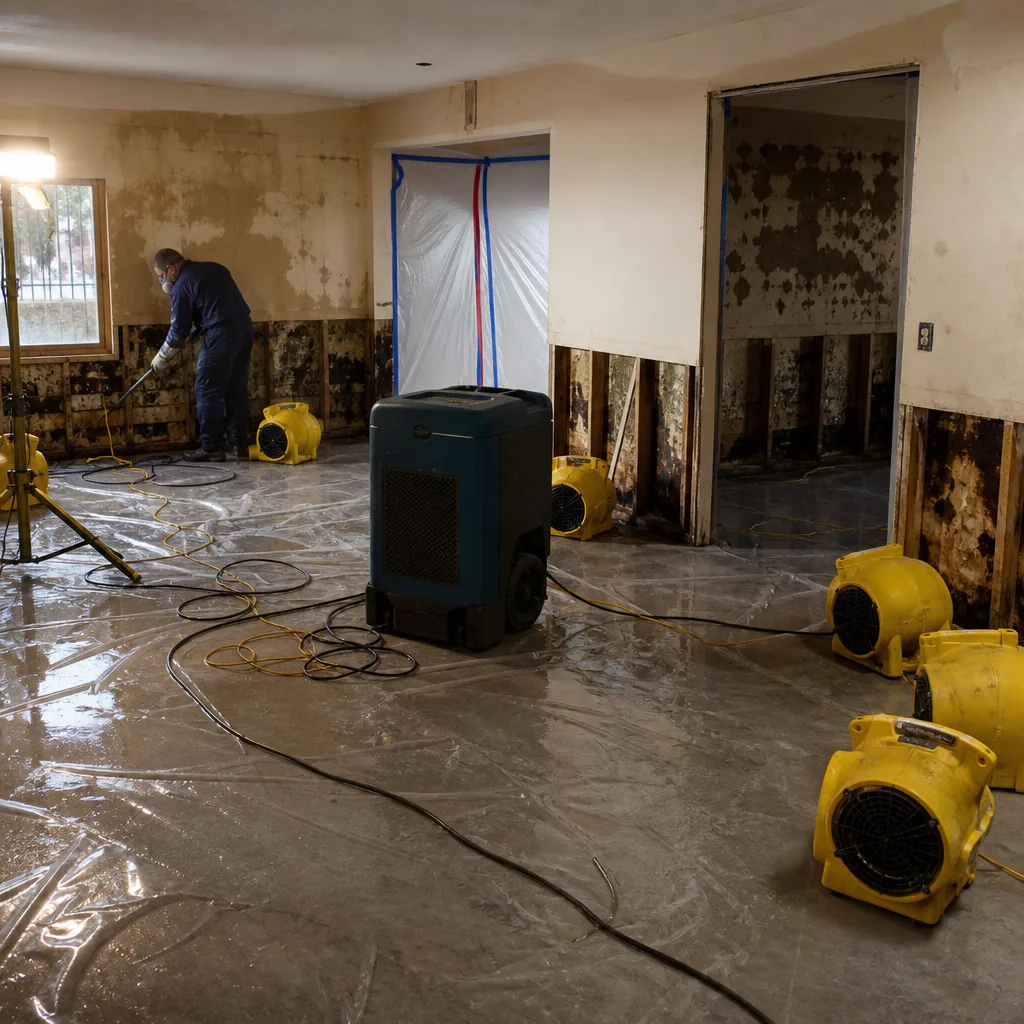
Emergency Water Extraction
When a burst pipe or roof breach sends water into your Poway home, extraction speed limits the damage spread. Our crews arrive with truck-mounted extraction systems and portable units sized for tight clearances - critical for Poway’s alley-loaded townhomes near Midland Road and the narrow driveway accesses common in 1980s subdivisions off Twin Peaks Road. We document standing water depth, affected square footage, and material classification (porous vs. non-porous) in writing before extraction begins. Category 1 clean water, category 2 gray water, and category 3 black water each require different containment and disposal protocols - we specify which applies and why.
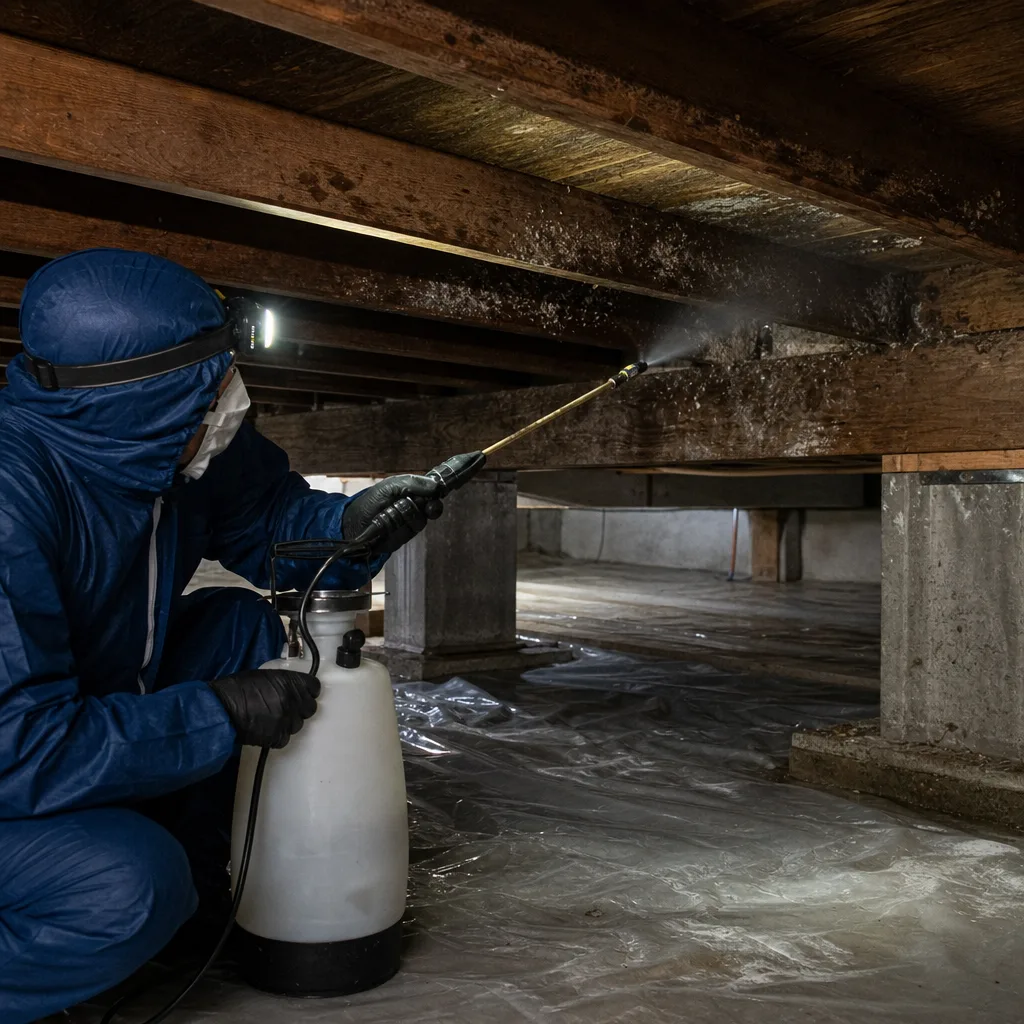
Structural Drying & Dehumidification
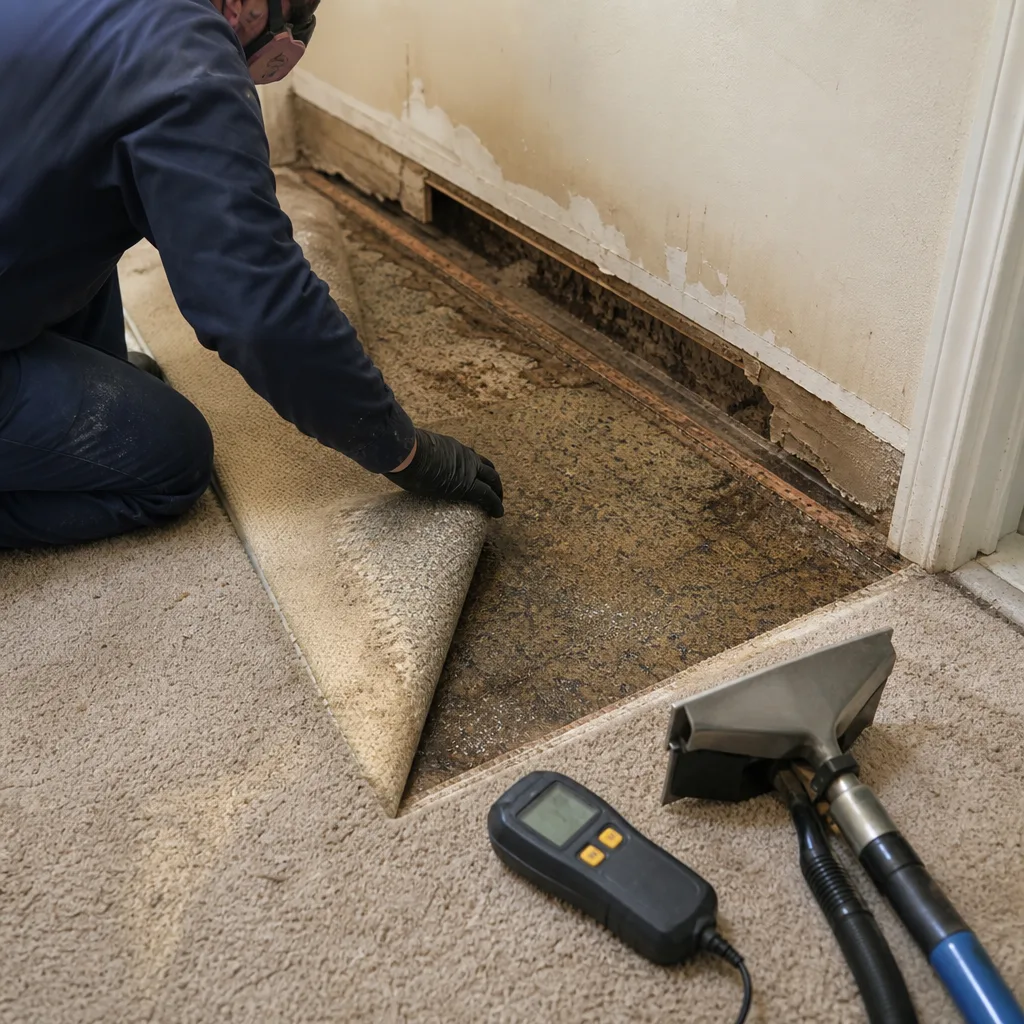
Poway’s wood-frame stucco homes dry differently than coastal concrete construction. Stucco acts as a moisture reservoir, and the original shake roofs common in 1970s-1990s tract homes can wick water into sheathing and underlayment long after the interior feels dry. We map moisture content across slab, framing, and wall cavities with penetrating and non-penetrating meters, then deploy Dri-Eaz and Phoenix dehumidification systems sized to the cubic footage and vapor pressure differential required. Injectidry wall-cavity drying is standard when moisture readings show trapped water behind stucco - surface dry is not structural dry, and we document the difference in daily logs until readings reach IICRC-determined dry standards.
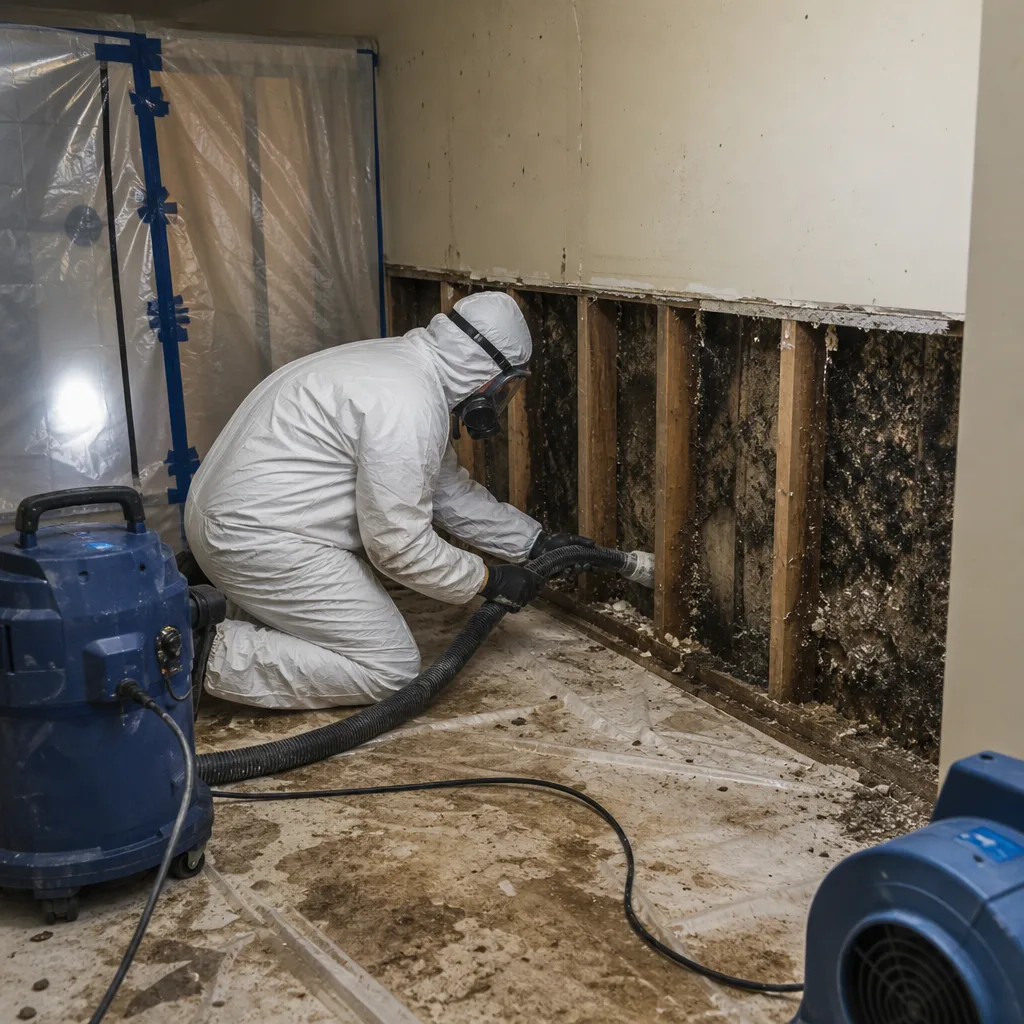
Flood Cleanup
Flood cleanup in Poway carries unique contamination risks that coastal cities rarely face. Winter rains on burned hillsides send category 3 water - mud, ash, sediment, and debris - through canyon-edge streets and into homes that may have already absorbed smoke and ash during Santa Ana wind events. After the Cedar Fire burn scar above Poway shed ash-laden runoff into a canyon-edge tract, we were called to a 1978 single-story ranch home with original shake roof and a flooded converted-basement room. Smoke had already infiltrated the attic cavity and return-air system, so we first mapped category 3 water with moisture readings across the slab, set containment, ran water extraction and air movers paired with Dri-Eaz dehumidification and Injectidry wall-cavity drying, then removed saturated attic insulation and documented pre-loss condition in drying logs for the scope of work. We finished with antimicrobial treatment on the flood-affected framing and coordinated a full pack-out of the lower-level contents, proving that a small flood loss in Poway often carries a smoke component that must be addressed in the same mitigation.
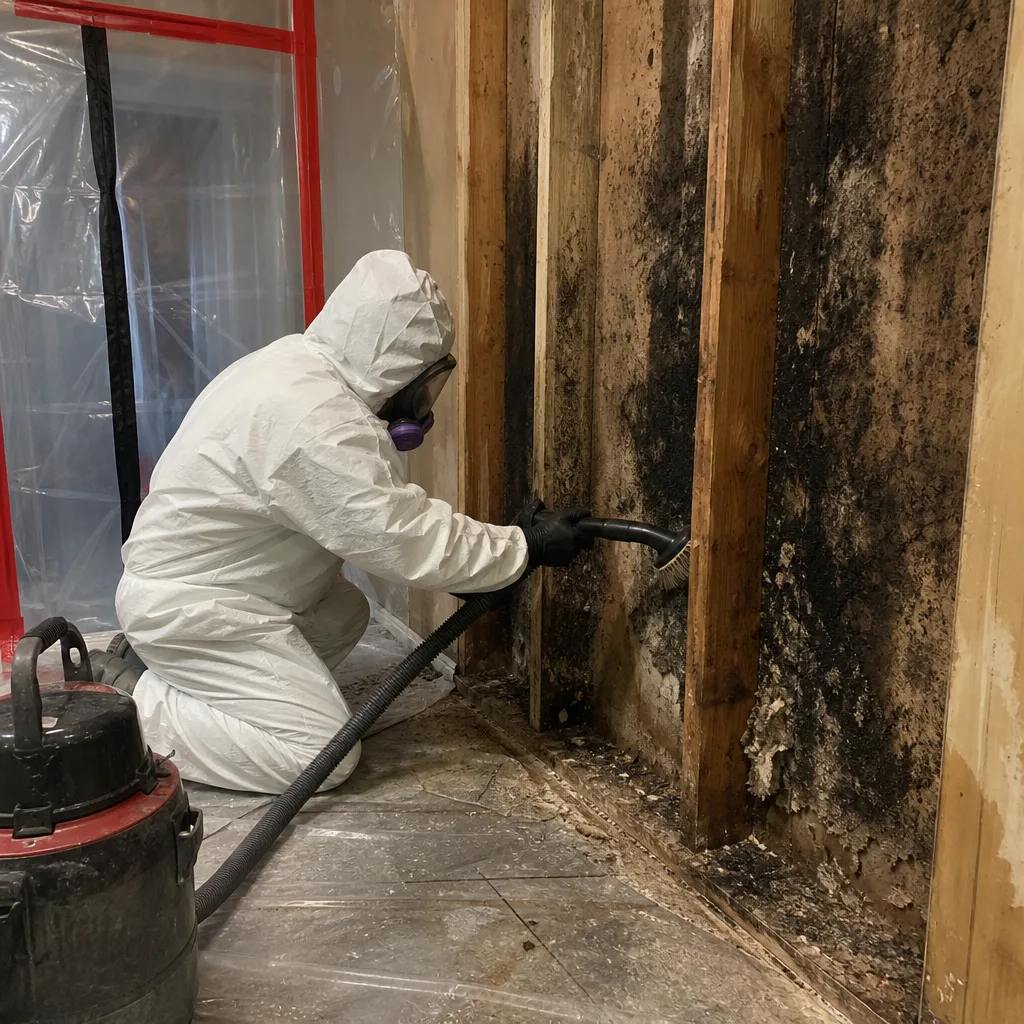
Burst Pipe Restoration
Poway’s aging copper and early PEX plumbing systems, common in 1970s-1990s builds, fail predictably at joints and at pressure points after temperature swings. Our crews locate the breach, document water migration paths with thermal imaging and moisture mapping, and provide a written scope that separates emergency mitigation from necessary plumbing repair - two trades, two line items, no bundled mystery pricing. We coordinate directly with your insurance adjuster and can recommend licensed plumbers we’ve worked with in Poway, though you’re free to choose your own.
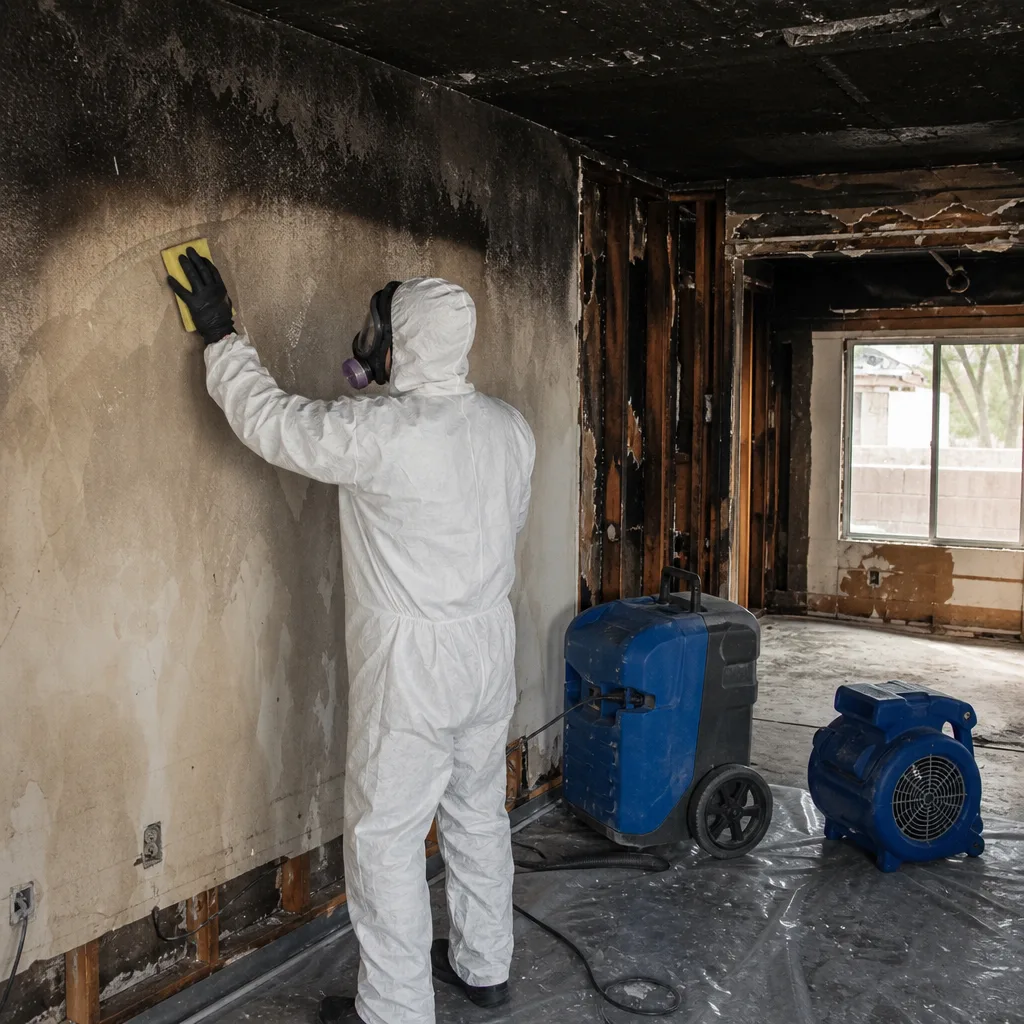
Basement Water Removal
Converted basements and lower-level additions in Poway’s hillside homes are particularly vulnerable to hydrostatic pressure and debris flow intrusion. We assess foundation seepage vs. surface water entry, install submersible pumps and extraction equipment sized to the space, and document whether vapor barrier or drainage system failure contributed to the loss - information your adjuster needs for coverage determination.
Ceiling & Roof Leak Water Damage
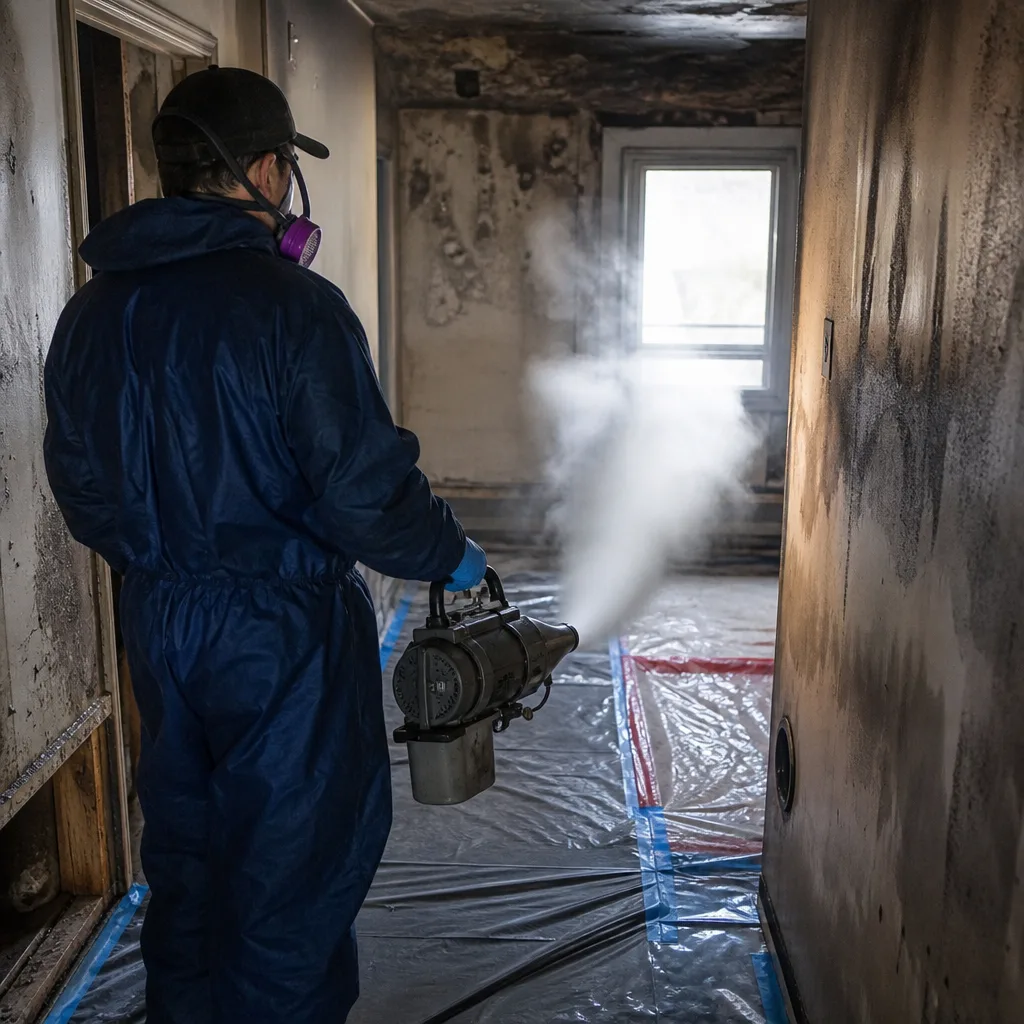
Original tile and aging shake roofs on Poway’s older homes breach under Santa Ana wind stress and post-fire suppression water pooling. We trace water migration from ceiling stain back to entry point, document roof deck and attic insulation condition with photos, and dry ceiling cavities with Injectidry or controlled demolition as readings dictate. Every ceiling cut is photographed before and after, with moisture readings proving dry standard achievement.
What happens when you call
- 1
A real person answersNo phone trees - you reach a local pro.
- 2
You get an upfront price rangeHonest numbers before anyone is dispatched.
- 3
A background-checked tech heads outLicensed & insured, dispatched right away.
- 4
You approve before work beginsNothing starts until you say go.
 Before
 After
AfterTrusted Equipment & Standards We Deploy in Poway
Our equipment inventory includes professional-grade drying systems from Dri-Eaz, Phoenix, and XPOWER, with Injectidry systems for wall-cavity and hardwood drying. All work is documented to IICRC, RIA, and IFA standards - producing the daily moisture logs and psychrometric data that turn restoration invoices into payable insurance claims. We stock HEPA air scrubbers and negative air machines critical for Poway’s compound fire-then-flood losses, where smoke particulate and waterborne contamination coexist. Parts and supplemental equipment are sourced through our San Diego coordination office, with same-day availability for most Poway locations.
Common Water Damage Restoration Problems We See in Poway Homes
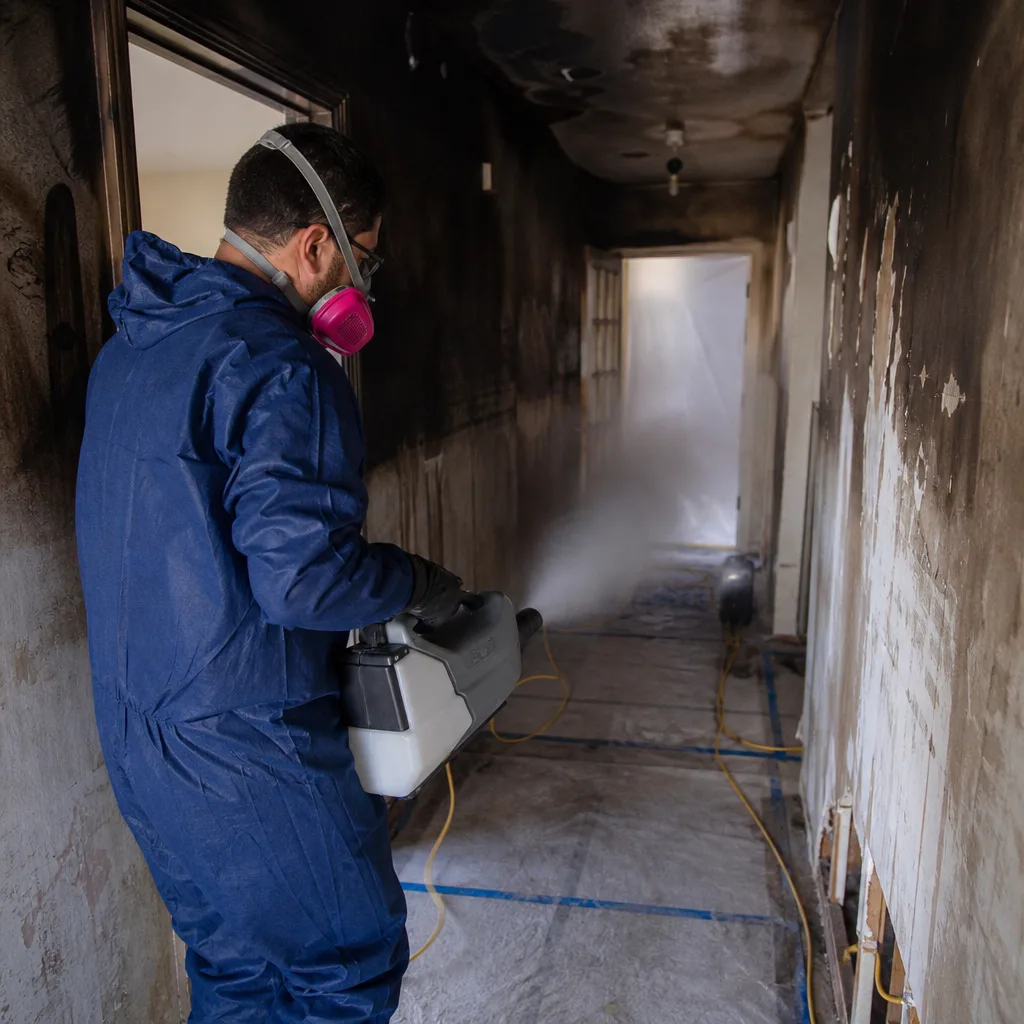
- Sequential fire-then-flood contamination. Santa Ana winds push smoke and ash into attic cavities and HVAC return-air systems during wildfire season; the same burned hillsides later send debris-laden floodwater toward the same homes. Treating only the visible floodwater while missing the pre-existing smoke contamination leaves persistent odor and particulate that standard cleaning cannot resolve.
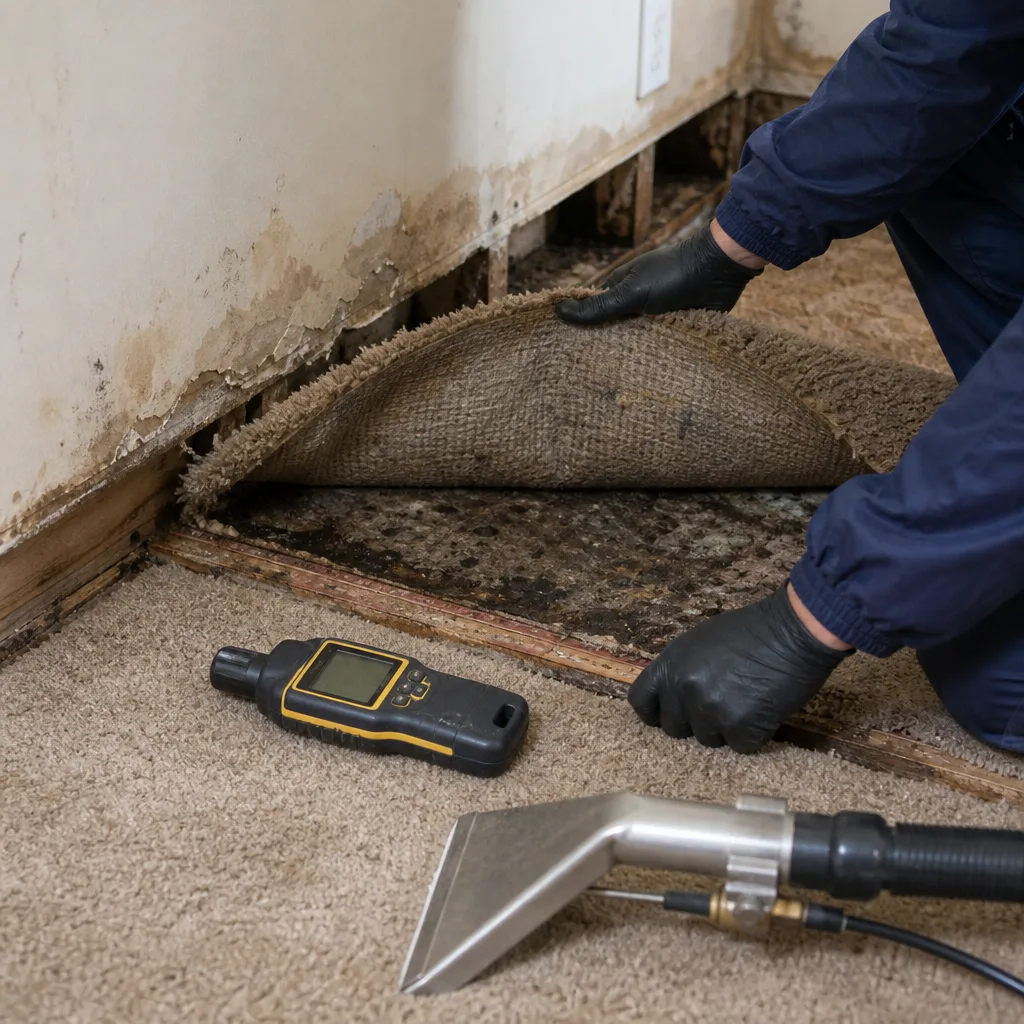
- Hidden moisture in stucco-and-wood-frame walls. Poway’s common construction type traps water behind stucco exteriors and in wall cavities after roof breaches or firefighting suppression. Surface-dry appearance masks elevated moisture content in sheathing and framing that leads to mold amplification if not mapped and dried to standard.
- Smoke-pressurized HVAC systems in single-story ranches. Even homes with no visible exterior fire damage routinely require full duct replacement and attic insulation removal after nearby burns. The pressure differential during wildfire events draws ash deeply into return-air systems and attic cavities - a secondary contamination source that water damage crews without fire-smoke training miss entirely.
- Equestrian property scope expansion. Detached barns, tack rooms, and outbuildings on Poway’s larger lots hold smoke odor and wet sediment in feed, equipment, and porous materials long after the main residence appears dry. Skipping full pack-out and content cleaning on these structures leaves ongoing contamination and potential health hazards.
Pricing for Water Damage Restoration in Poway, CA
Water damage restoration pricing in Poway reflects the specific contamination risks and access challenges of this market. Emergency water extraction for a typical residential loss runs $1,200-$2,800. Structural drying and dehumidification for a 1,500-2,500 square foot home with standard wall and floor systems costs $3,500-$6,000. Category 3 flood cleanup with debris removal, antimicrobial treatment, and contents pack-out starts at $4,500 and can reach $8,500+ for larger homes or compound fire-smoke contamination. Burst pipe restoration with moisture mapping and necessary demolition averages $2,800-$5,200. Basement water removal in hillside homes with hydrostatic pressure issues ranges $3,200-$6,800 depending on pump requirements and foundation access.
What moves the price: contamination category (clean, gray, or black water), affected square footage, material type (hardwood, carpet, tile, stucco), whether attic or wall cavity drying is required, and whether compound smoke contamination is present. Every job is quoted in writing before work begins - Haven Standard, Clause 1 - with no additions once the crew is inside. Estimates are free. Call (858) 264-2736 for exact pricing on your specific loss.
We Also Serve Cities Near Poway
Our crews respond throughout inland San Diego County, including Poway and neighboring Santee, Lakeside, Ramona, and Del Mar. Each community has distinct water damage patterns - Santee’s lakeside humidity, Ramona’s rural well systems, Del Mar’s coastal salt-air corrosion - and we adjust equipment and documentation accordingly. Dispatch and scheduling are coordinated from our San Diego office.
Serving Poway, CA - Our Local Coverage Area
We’re based in the Poway area and know this community well. Use the map below to see our service coverage - if you’re nearby, we can almost certainly help.
FAQs - Water Damage Restoration in Poway
Because smoke and ash drawn in by pressure differentials during nearby wildfires penetrate deeply into attic cavities and return-air systems even when the home’s exterior appears untouched. The water staining you’re seeing may be from roof breach or suppression water, but the attic likely contains pre-existing smoke contamination that standard water drying will not address. We document both conditions with photos and moisture readings, then scope remediation for the full loss - not just the visible stain. Call (858) 264-2736 for a free assessment.
Yes, debris-laden floodwater from burned hillsides is category 3 (black water) due to sediment, ash, and potential chemical contamination from burned structures and vegetation upstream. Porous materials - carpet, pad, drywall, insulation - that contacted this water require removal per IICRC standards. Non-porous materials (tile, sealed concrete, metal framing) can often be cleaned and treated in place. We test and document contamination levels, then provide a written scope that specifies what stays, what goes, and why - before any demolition starts. Call (858) 264-2736 for an exact scope.
Yes, significantly. Detached barns and outbuildings hold feed, tack, and equipment that absorb both water and smoke odor, expanding the contents restoration and pack-out requirements. The structure itself may have different construction (metal, unfinished wood, dirt floors) requiring modified drying protocols and equipment staging. We assess the barn as a separate zone with its own moisture mapping, documentation, and scope - not an afterthought to the main residence. Call (858) 264-2736 to discuss your property layout.
Tight access requires portable extraction units rather than truck-mounted systems, and smaller-footprint dehumidifiers and air movers staged strategically to maintain traffic paths and building egress. We measure door widths, hallway lengths, and stair clearances during initial assessment, then specify equipment models that fit - not assume standard residential access. Moisture mapping and drying logs are equally thorough; only the equipment footprint changes. Call (858) 264-2736 to discuss access constraints on your property.
Yes, and they should be. Compound fire-then-water losses are common in Poway’s wildland-urban interface, and addressing only one contamination source while ignoring the other leaves persistent odor, particulate, and potential health hazards. Our crews are trained and equipped for both: water extraction and structural drying per IICRC standards, plus smoke-impacted HVAC assessment, duct cleaning or replacement, and attic insulation removal as readings and visual inspection dictate. One written scope, one coordinated timeline, one documented record for your adjuster. Call (858) 264-2736 for integrated mitigation planning.
Written by Alicia Brennan, Owner at Back to Dry Restoration, serving Poway and San Diego County since 2011.