
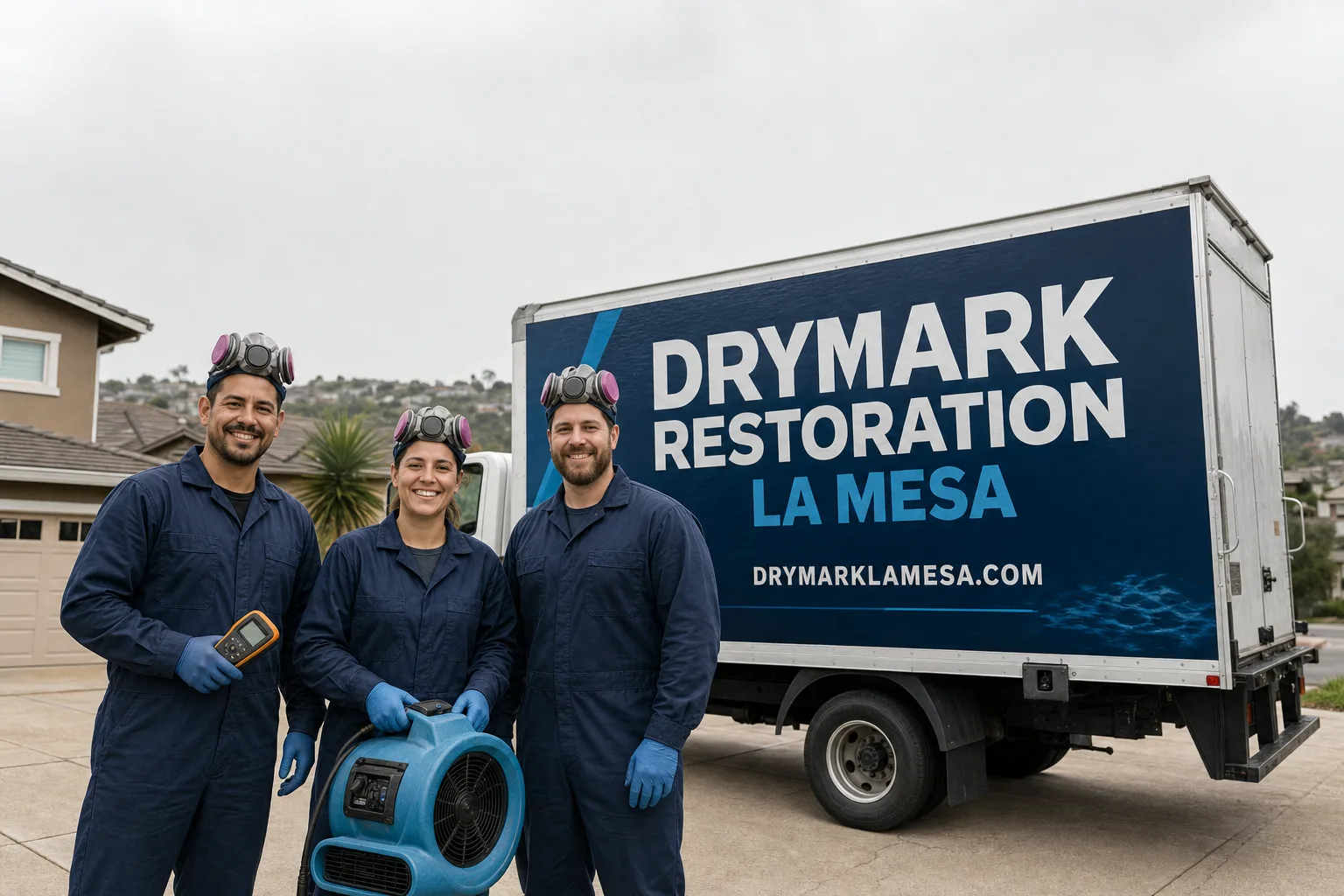
Free visual inspection and a written scope of work before any mitigation begins - photos, moisture readings, and drying logs go in your claim file
The scope we write is the scope we bill. Anything new gets shown to you, in writing, before we touch it.
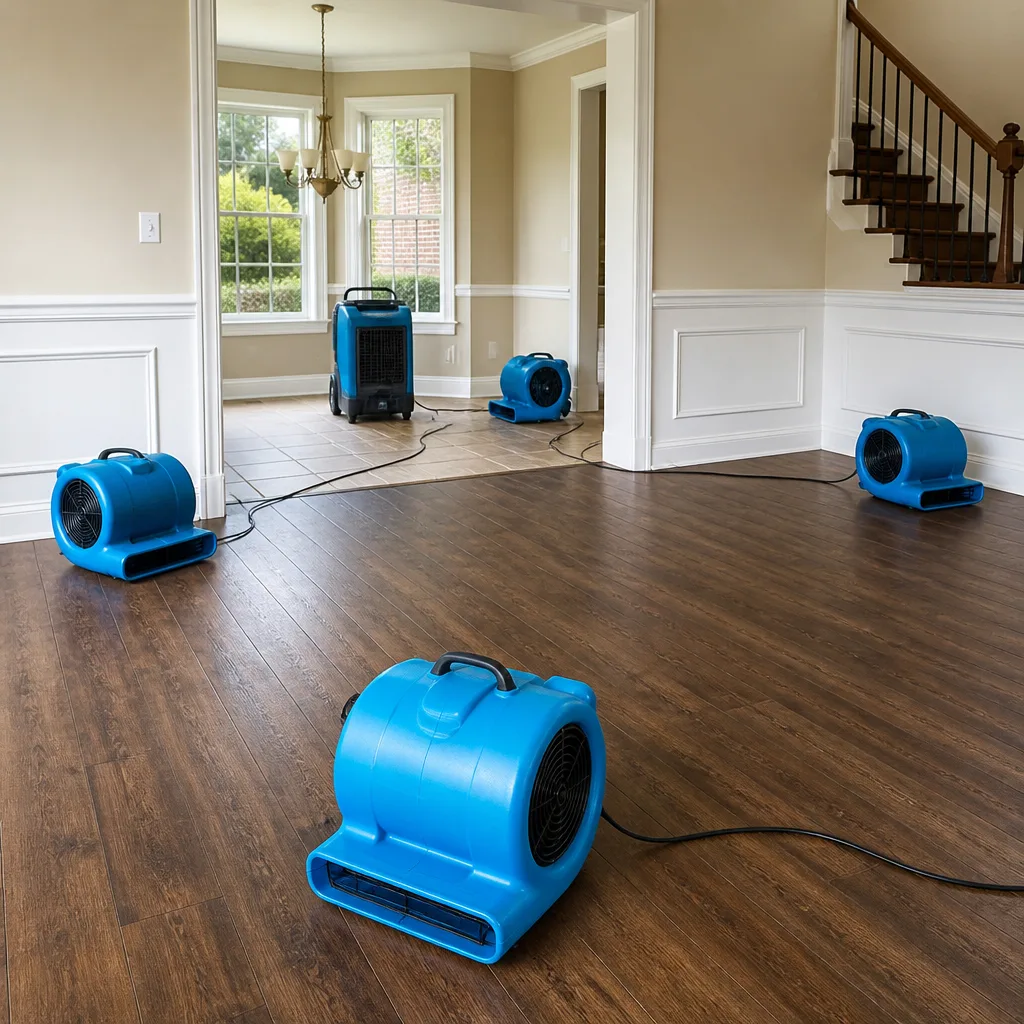
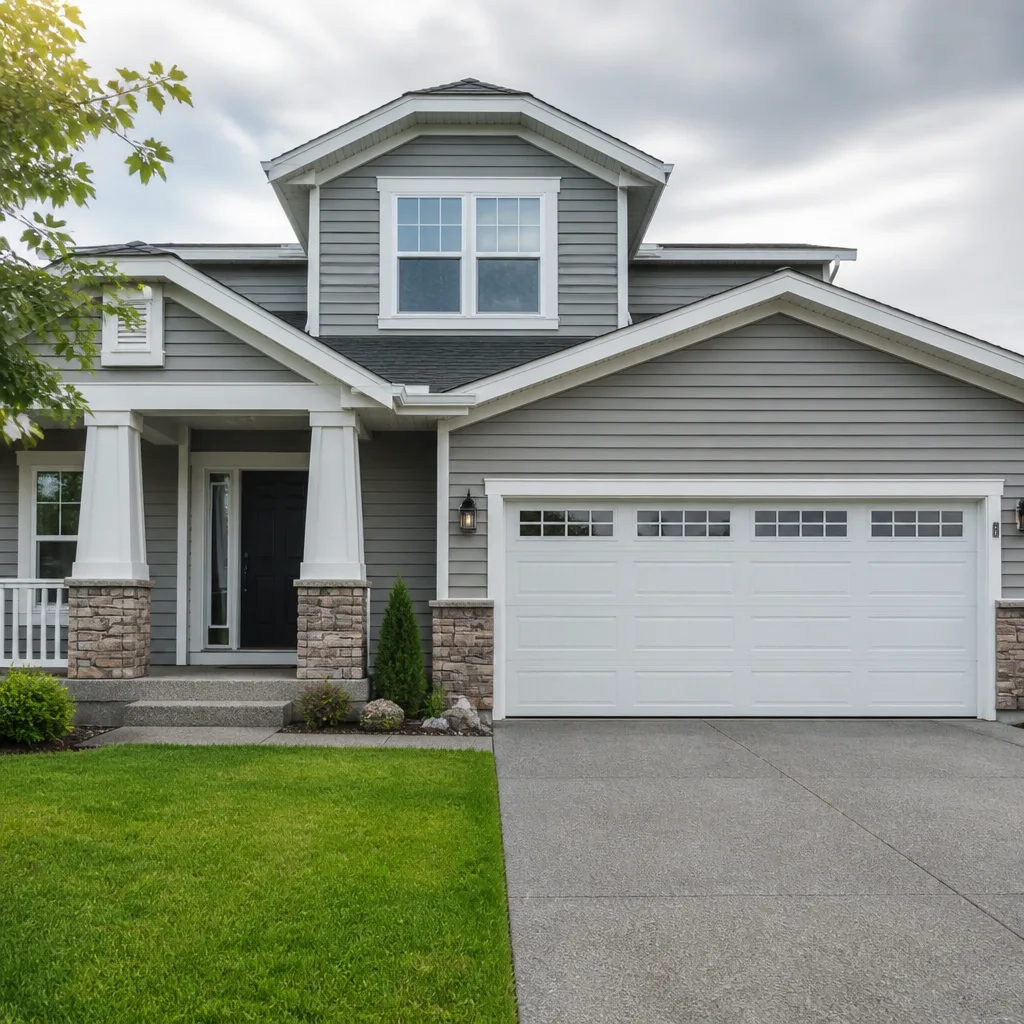
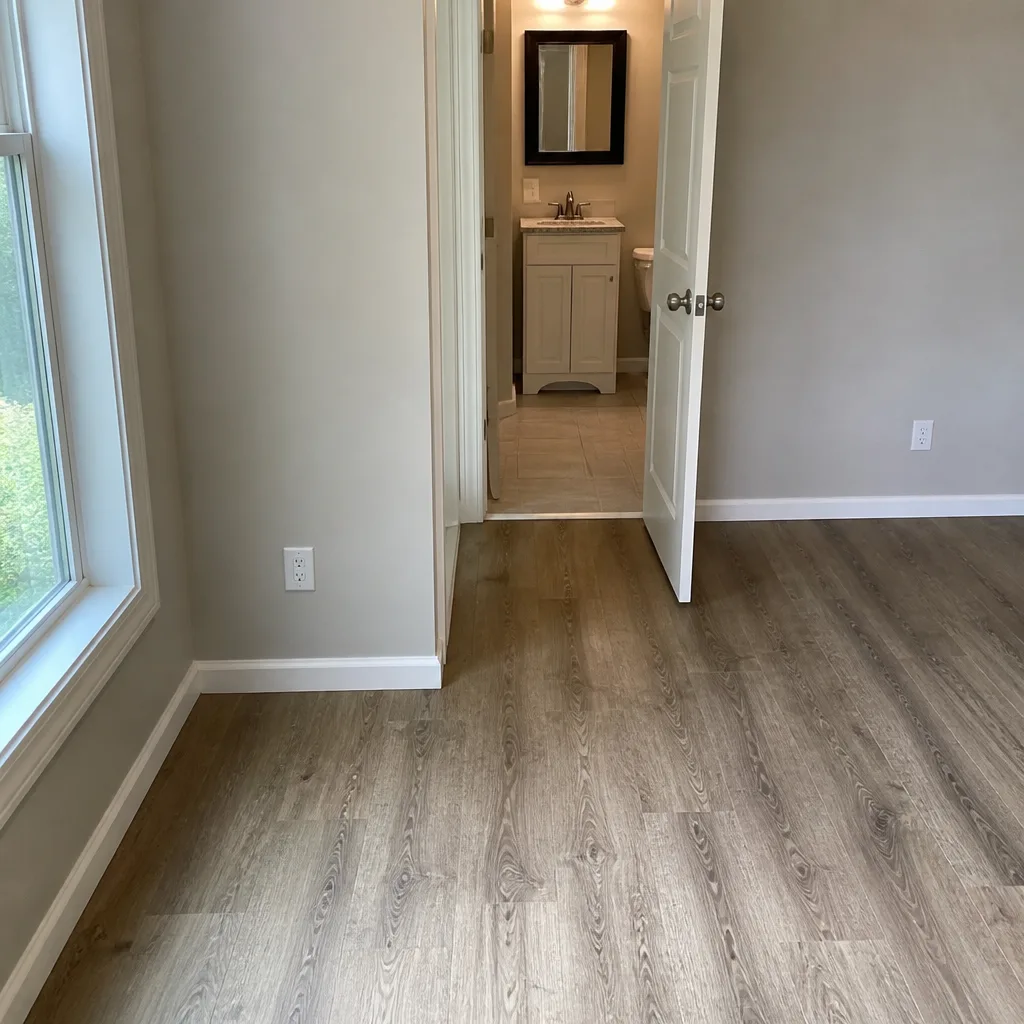
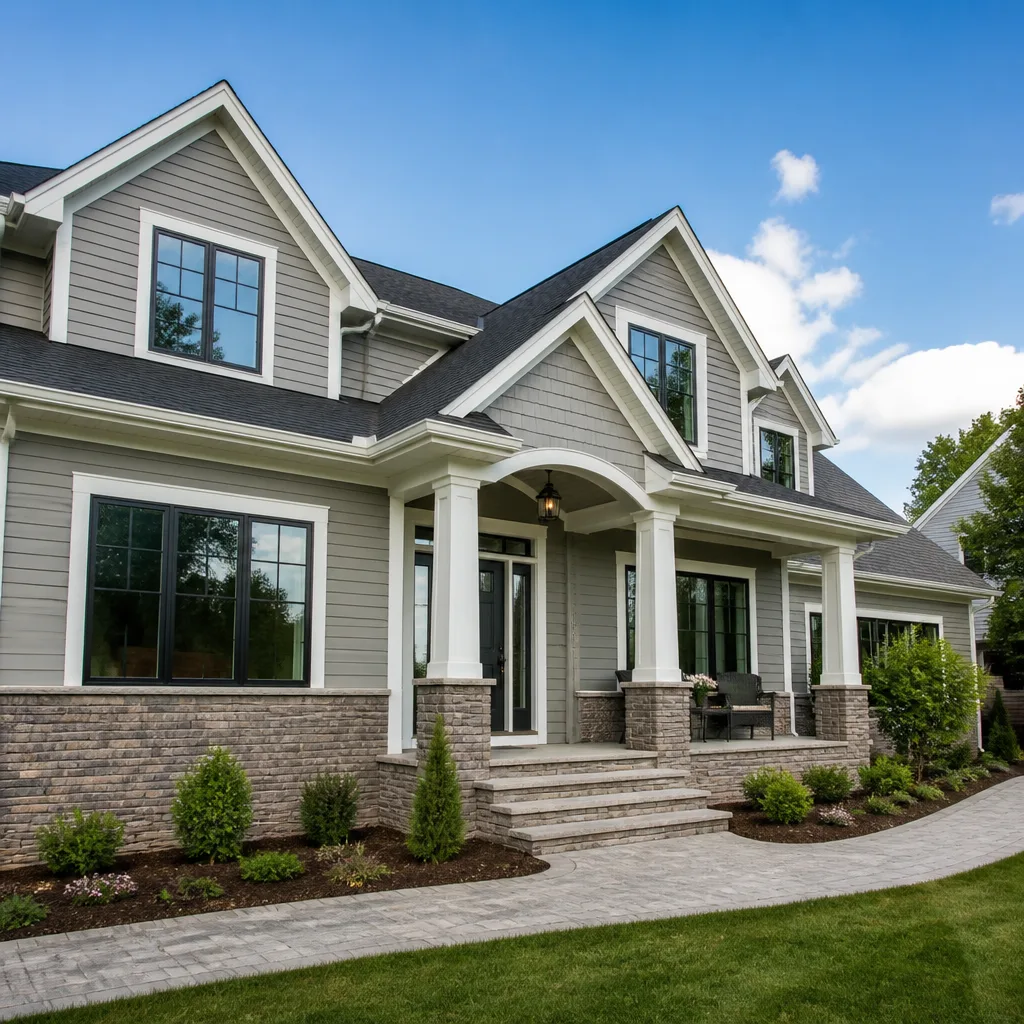
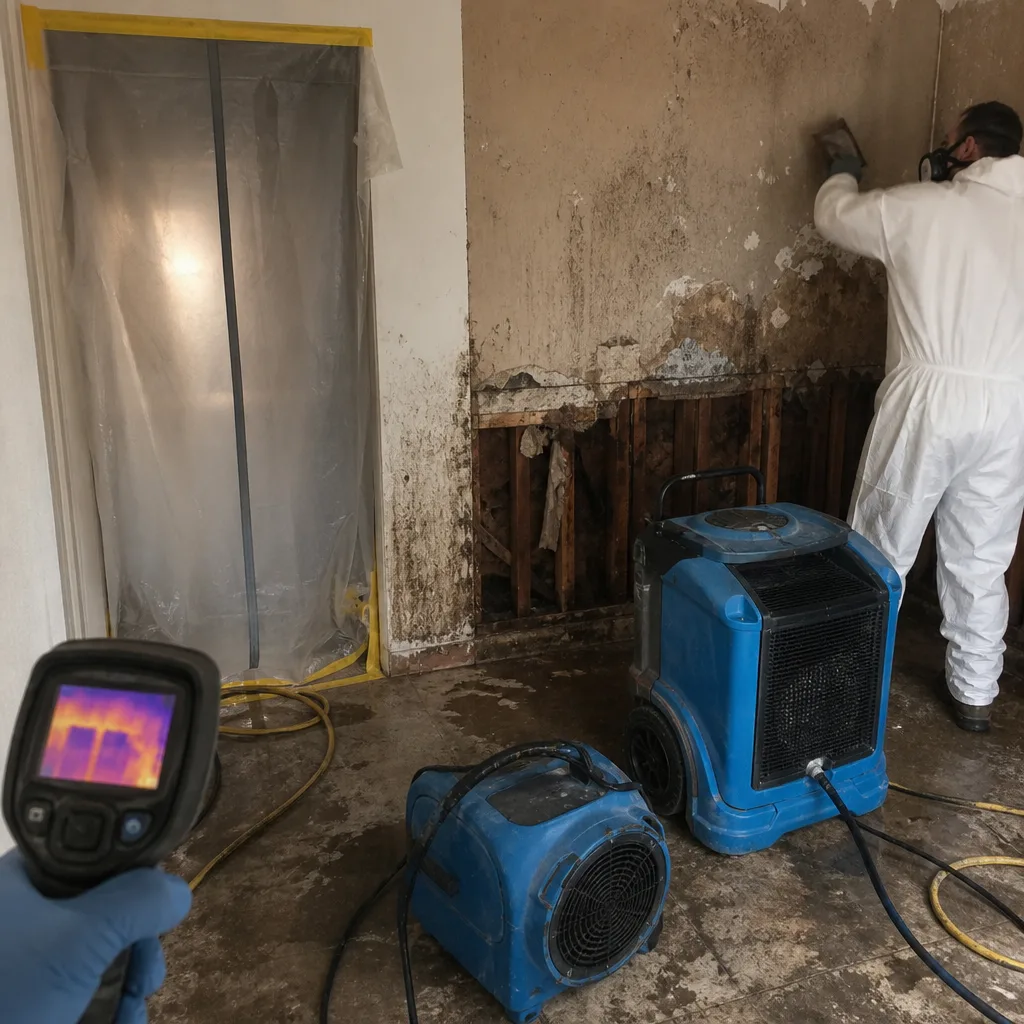 Before
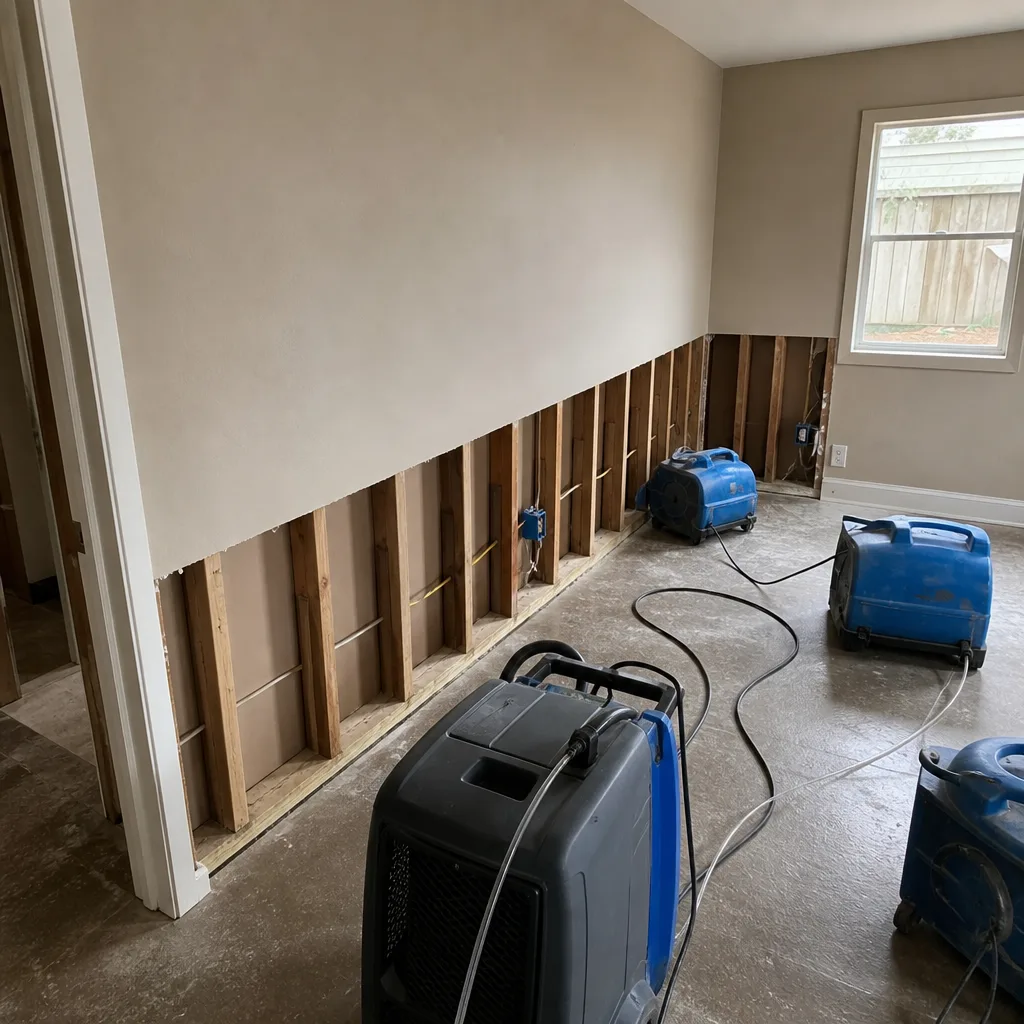 After
After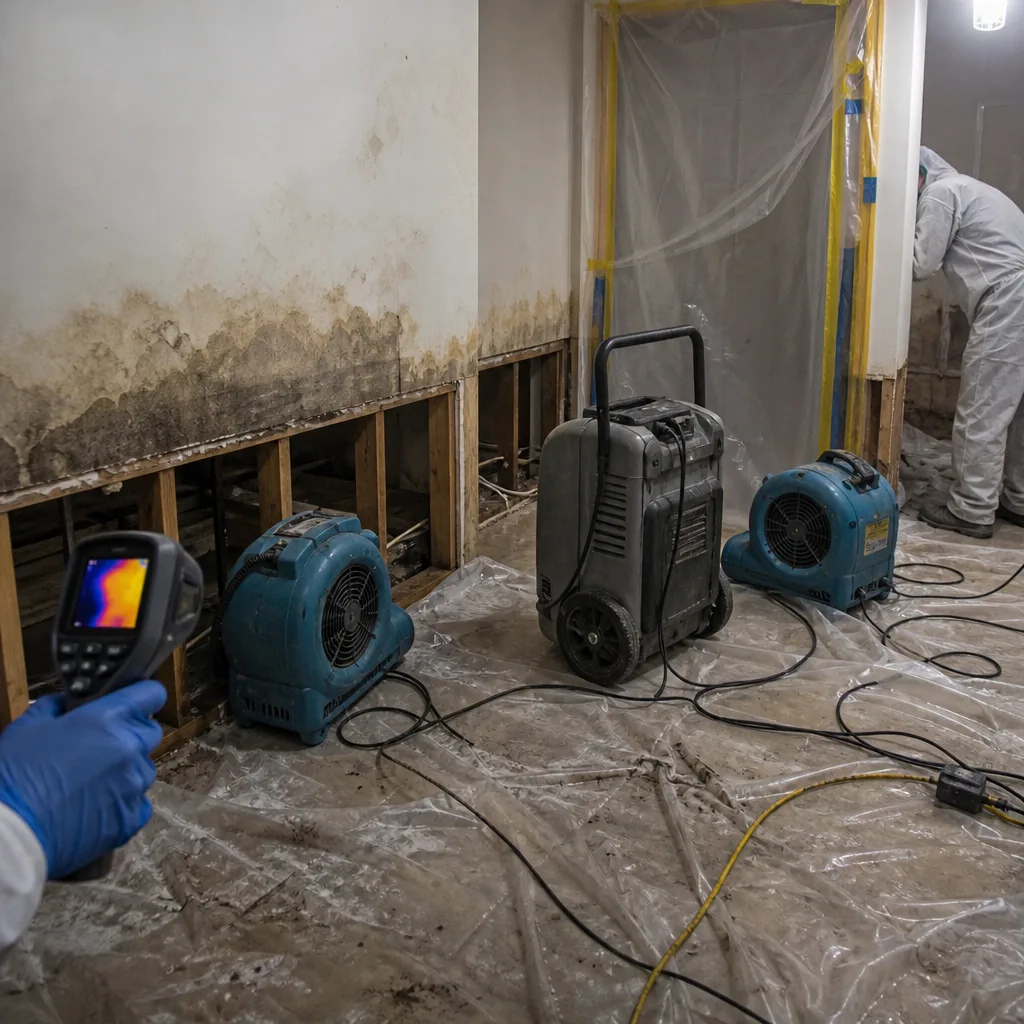 Before
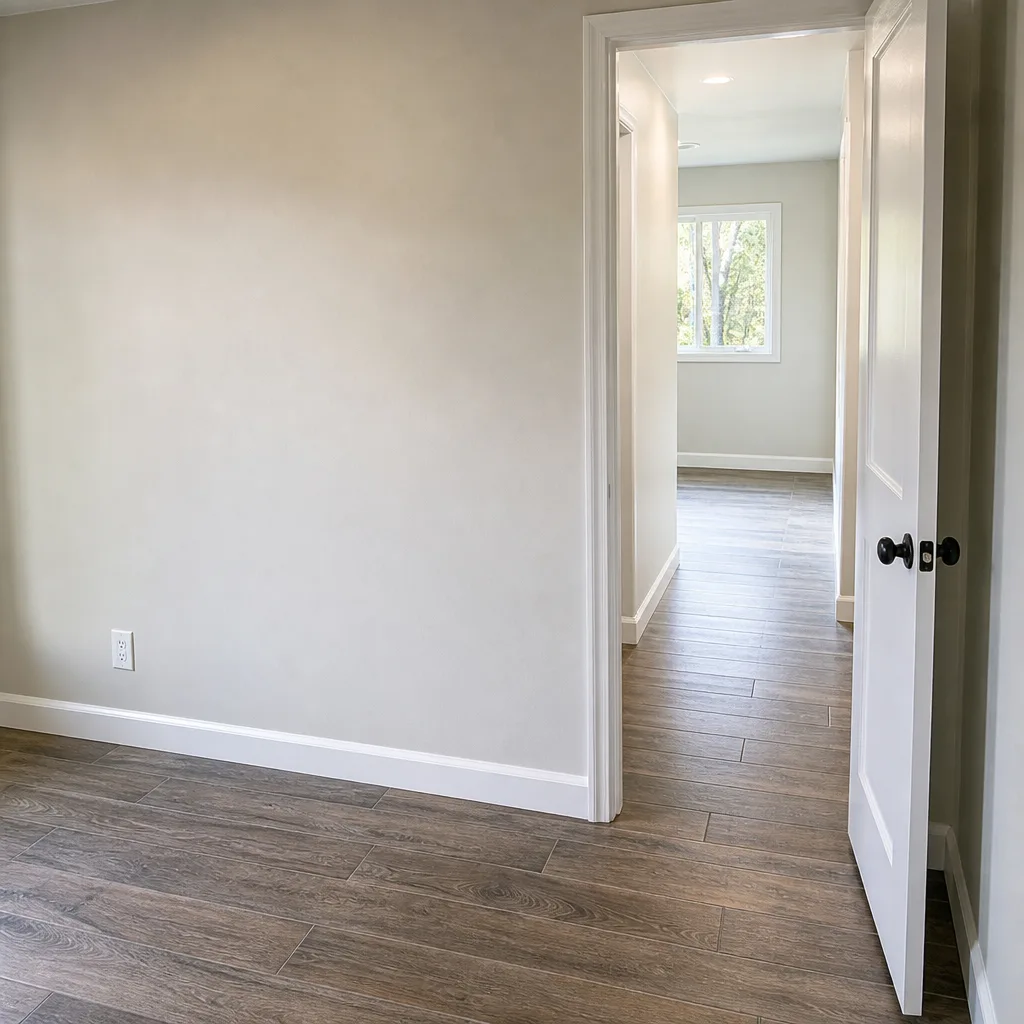 After
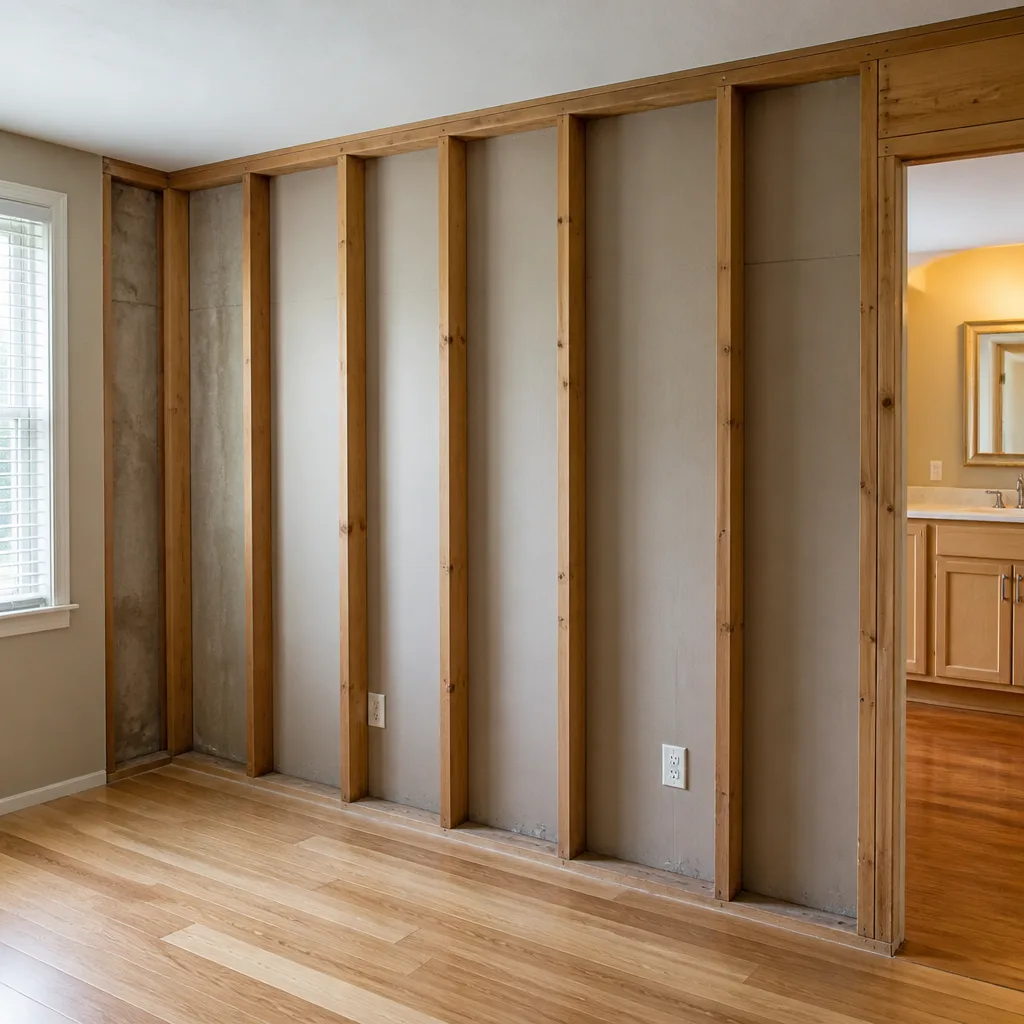
After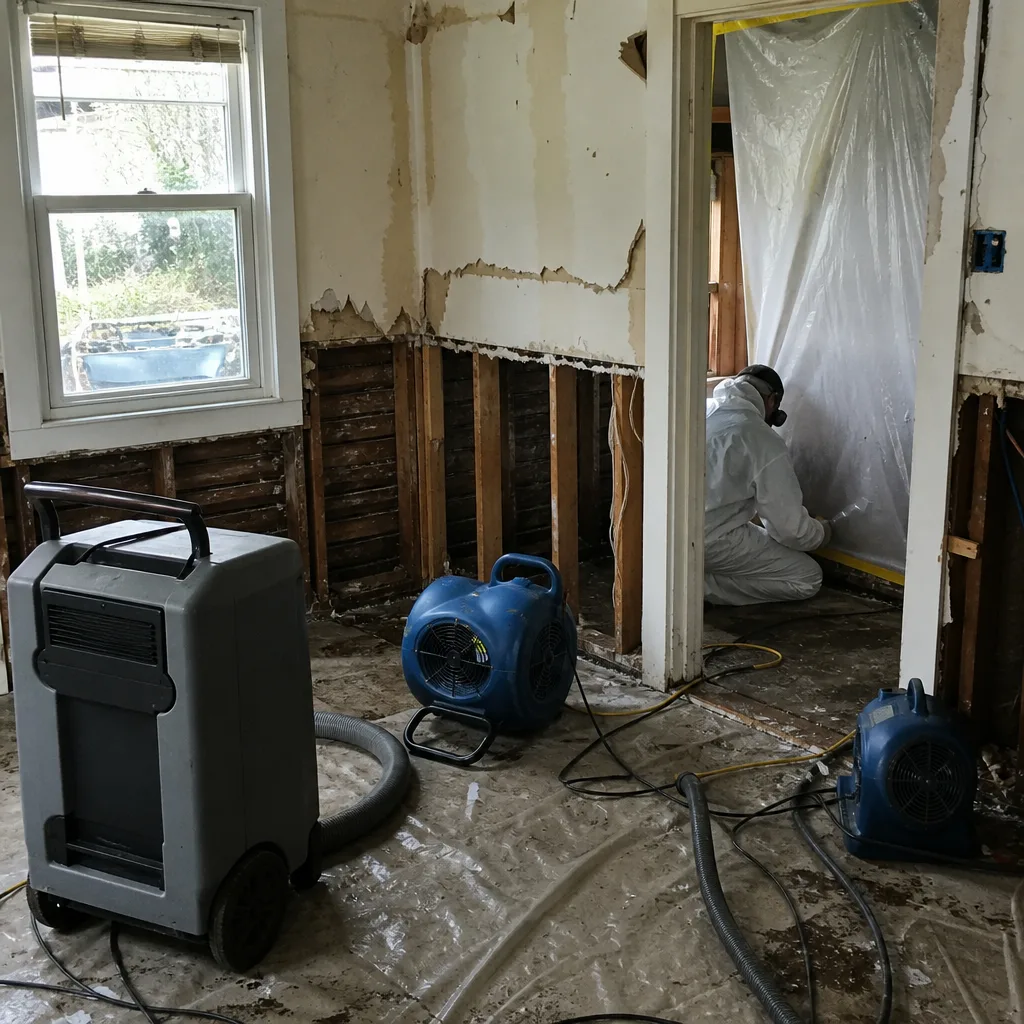 Before
 After
AfterFast, Reliable Water Damage Restoration Across San Diego
Water damage restoration in San Diego typically runs $2,800-$6,500 for a standard residential mitigation, with emergency extraction dispatched within 60-90 minutes of your call. Our San Diego office coordinates crews across the metro, from Ocean Beach to La Jolla, Clairemont to Chula Vista, with live phone coverage 24 hours a day, 7 days a week - no voicemail trees, no next-business-day callbacks while water is still moving through your walls.
We’ve restored thousands of San Diego homes since 2011, and the pattern we see most isn’t what newcomers expect. This city’s damage profile is shaped by hard Colorado River water eating through copper supply lines, marine-layer humidity hiding behind stucco cladding, and a wildfire-flood cycle that turns clean stormwater into hazardous runoff. Our Water Damage Restoration team documents every job to IICRC and RIA standards because we’ve seen what sloppy paperwork costs a homeowner when the adjuster reviews the file.
Call (858) 264-2736 now. A live person answers. We’ll have a crew moving and a written price before anyone starts work - Haven Standard, Clause 1.
Why DryMark Restoration La Mesa Is San Diego’s Preferred Water Damage Restoration Company
Back to Dry Restoration, led by Alicia Brennan, was built by a former claims adjuster who watched homeowners lose legitimate claims to documentation gaps. That origin is the problem we solve every day. In San Diego, where slab leaks from hard-water pinholes and marine-layer mold behind stucco are daily calls, our photo-documented assessments and written scopes turn restoration invoices into claims insurers pay without a fight.
Our San Diego customers leave reviews citing the same thing: a written price before work started, a photo record on every visit, and technicians who named their license number and explained the moisture map. We’re independently owned and operated under The Haven Standard, not a franchise network, so the crew who arrives in your Mission Valley condo or your North Park bungalow answers to the same standards we set in 2011.
Response time to San Diego proper averages under 90 minutes for emergency water extraction. Our dispatch is coordinated from the brand’s San Diego office, with crews staged to reach Coronado, National City, and Lemon Grove without crossing county lines.
Our Water Damage Restoration Services in San Diego
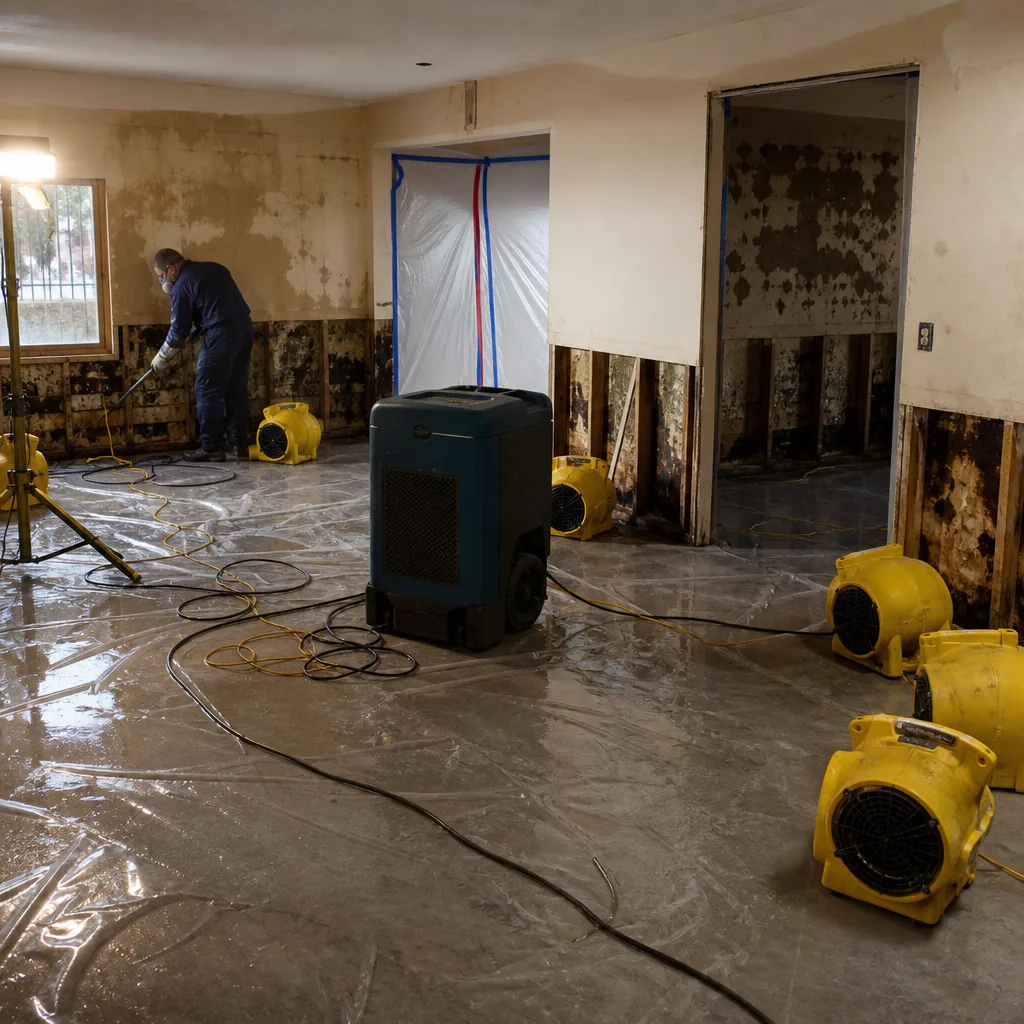
Emergency Water Extraction
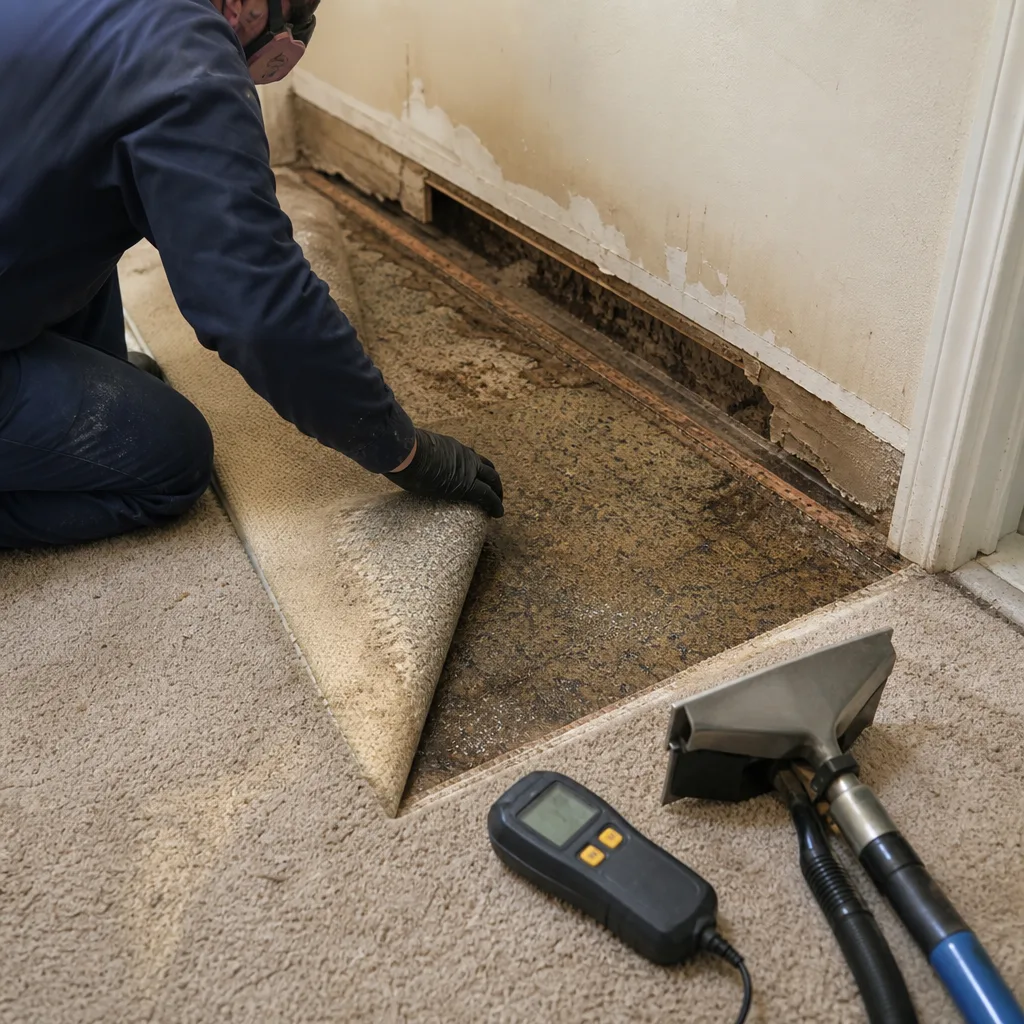
When a slab leak floods your Clairemont ranch or a washing machine line fails in your Mira Mesa tract home, standing water doesn’t wait. We extract with truck-mounted systems and document the starting moisture readings before we move a single piece of furniture. In San Diego’s 1950s-1980s slab-on-grade housing stock, we’re often extracting from carpet and pad over concrete where the water has been migrating for days or weeks before the homeowner sees a hot spot or darkening seam.
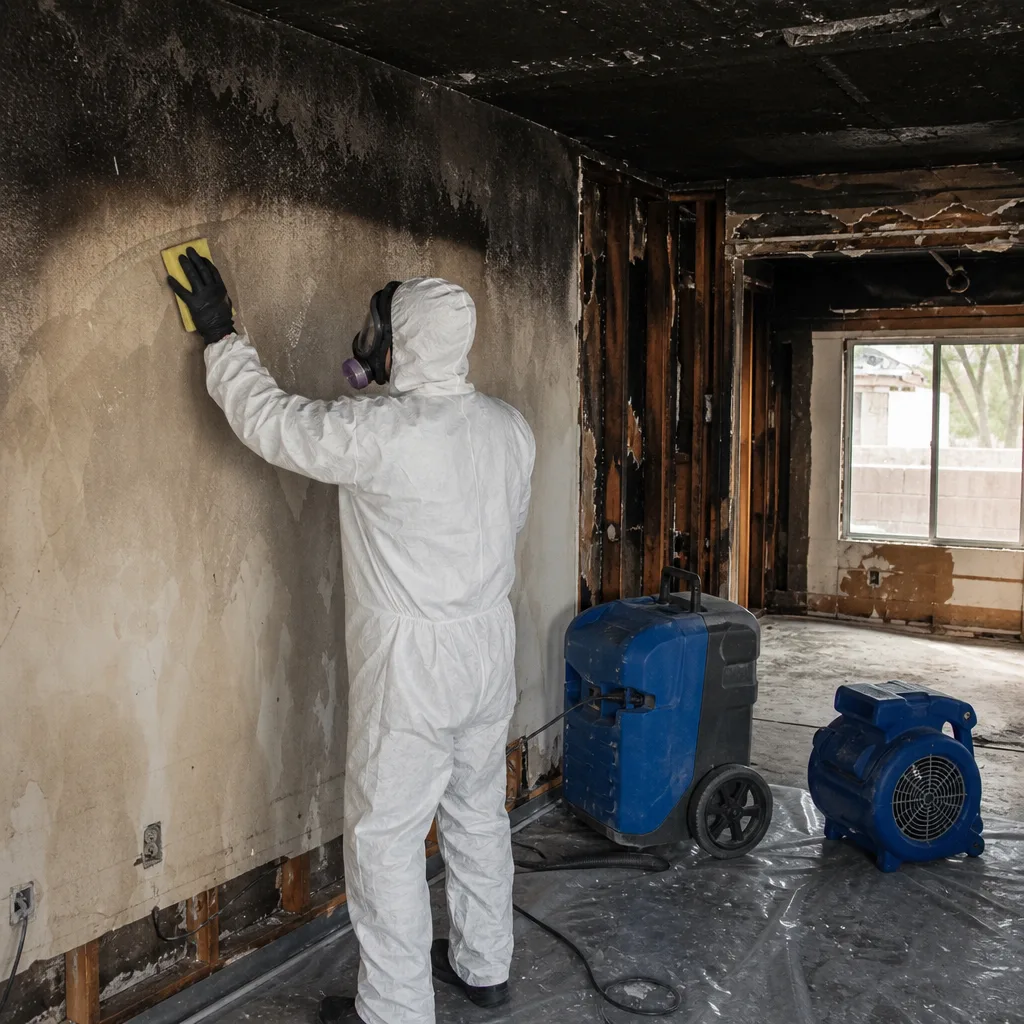
Structural Drying & Dehumidification
San Diego’s marine layer deposits sustained humidity along the coastal strip from Ocean Beach to La Jolla, which means structures here dry differently than in arid inland counties. We deploy Dri-Eaz air movers and Phoenix dehumidifiers with daily psychrometric logging - that’s temperature, relative humidity, and vapor pressure differential recorded every 24 hours - to prove the assembly is trending toward pre-loss condition, not just feeling dry to the touch. Tertiary drying, the final phase where bound moisture releases from dense materials, takes longer in San Diego’s ambient humidity; we don’t sign off until the numbers say we can.
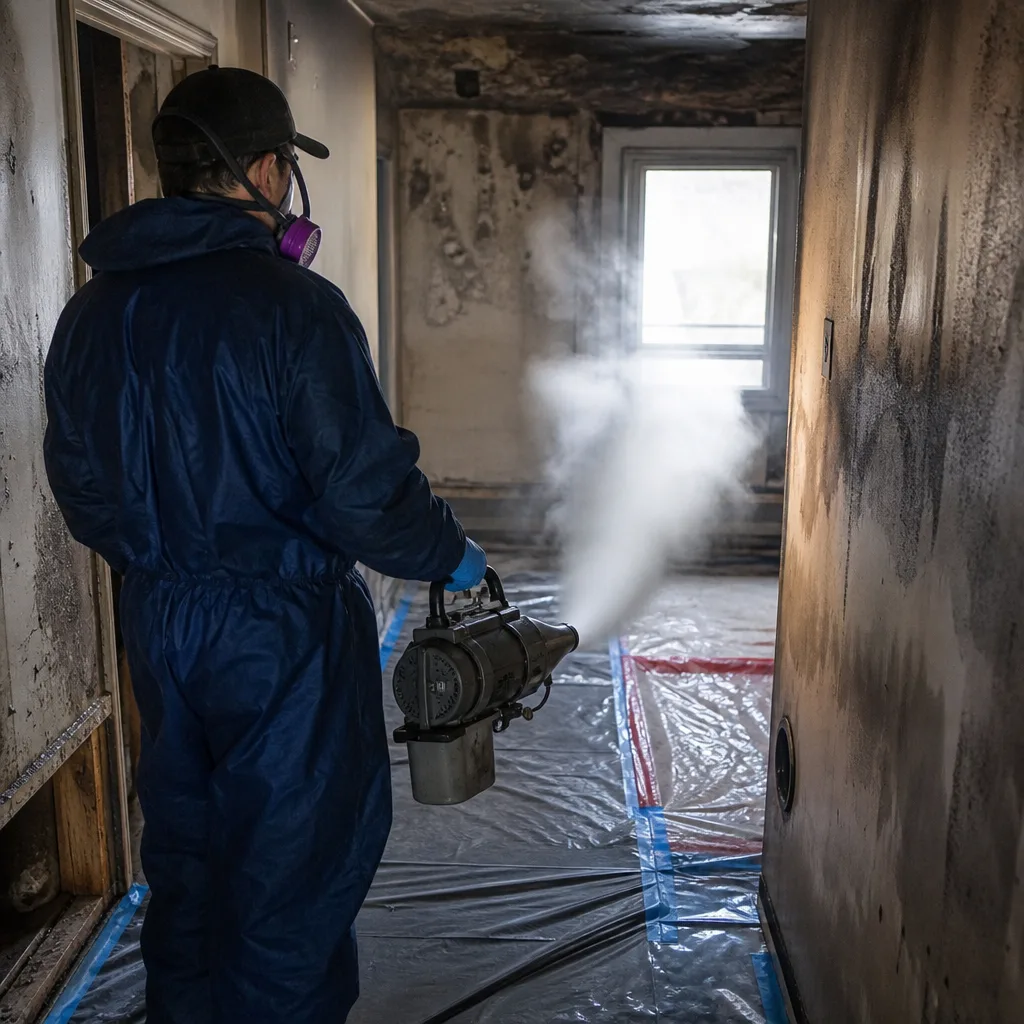
Flood Cleanup
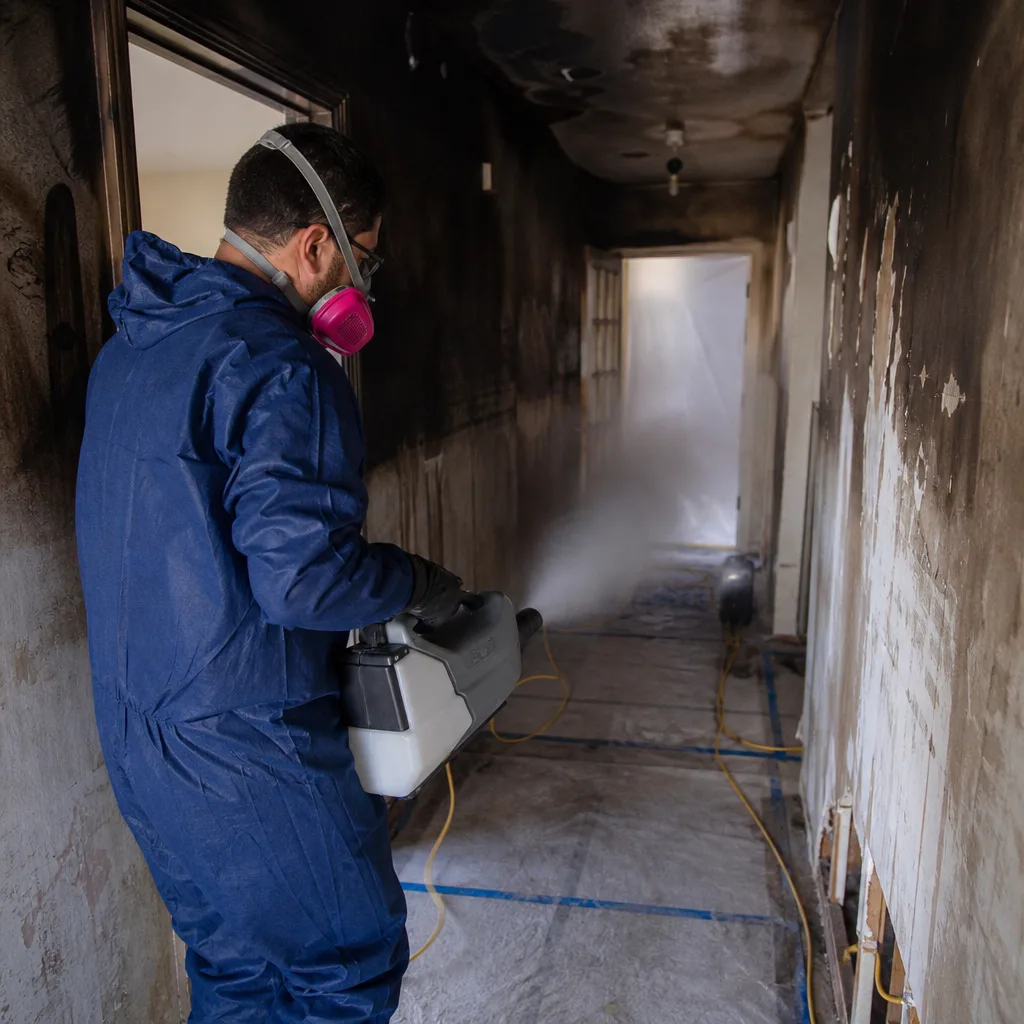
Mission Valley sits on the channelized San Diego River, and its low-capacity stormwater infrastructure overwhelms in any above-average rainfall year. We’ve cleaned flood damage in that corridor after winter rain events that turned parking structures and ground-level units into Category 2 or 3 losses. When East County wildfires burn through Rancho Bernardo or Scripps Ranch first, the following winter brings mudslide and stormwater flooding to identical neighborhoods - a sequential two-disaster pattern built into San Diego’s geography. Post-wildfire flood jobs in Ramona and Alpine frequently require hazmat protocols: runoff across recent burn scars carries ash contaminated with asbestos, melted PVC, and heavy metals from destroyed older homes directly into surviving structures.
Burst Pipe Restoration
San Diego’s hard Colorado River-sourced water accelerates pinhole failures in copper supply lines, especially in the post-WWII tract housing of Clairemont, Mira Mesa, and Linda Vista. A pinhole can feed water into a slab for weeks before visible damage appears. We ran a slab leak mitigation in a 1962 Clairemont ranch house where a pinhole in the copper supply line had been feeding water into the slab for weeks; the homeowner saw a hot spot under the hallway carpet before any visible moisture. Our techs did moisture mapping across the whole floor plan, found elevated moisture readings extending two rooms past the visible stain, extracted standing water with a truck-mount, and set Dri-Eaz air movers and a Phoenix dehumidifier on drying logs for four days. Final structural drying hit pre-loss condition without opening the slab for demolition once we isolated the loop.
Basement Water Removal
True basements are rare in San Diego’s slab-on-grade dominant housing stock, but lower-level units, crawl spaces, and built-out garage conversions in hillside neighborhoods like University Heights and Normal Heights see chronic water intrusion. We remove water, assess for vapor drive from surrounding soil, and specify dehumidification that accounts for San Diego’s minimal seasonal temperature swing - equipment that runs year-round, not just in winter.
Ceiling & Roof Leak Water Damage
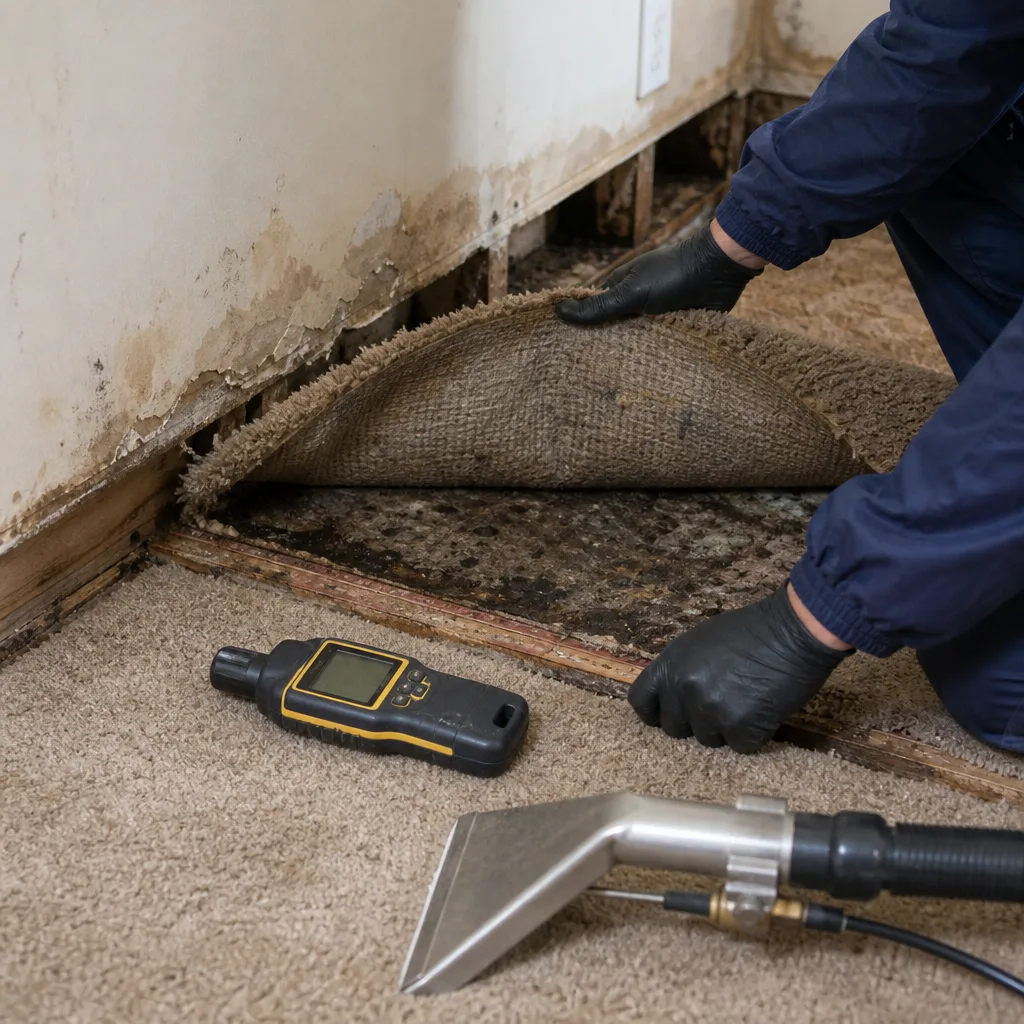
San Diego homes were built with minimal waterproofing - flat or low-slope roofs, stucco without adequate flashing - because owners assumed rain was rare. When the brief but intense winter rain events arrive, envelope failures channel water behind cladding where it becomes a hidden Category 2 or 3 loss by the time a homeowner files. We document the migration path with infrared imaging and borescopes, then specify drying that addresses the cavity, not just the ceiling stain.
What happens when you call
- 1
A real person answersNo phone trees - you reach a local pro.
- 2
You get an upfront price rangeHonest numbers before anyone is dispatched.
- 3
A background-checked tech heads outLicensed & insured, dispatched right away.
- 4
You approve before work beginsNothing starts until you say go.
 Before
 After
AfterTrusted Brands We Service in San Diego
Our equipment fleet runs Dri-Eaz, Phoenix, XPOWER, B-Air, and Injectidry systems - names that appear on insurance-preferred vendor lists because they produce the documented airflow and dehumidification capacity that adjusters recognize. We stock common consumables locally in San Diego, so replacement desiccant, HEPA filters, and drying mats don’t delay a job while freight crosses the county. For homeowners in Kensington or South Park with older wood-frame Craftsman bungalows, that speed matters: asbestos and lead-paint remediation complexity adds regulatory hold time, and every day of active drying reduces the total scope.
Common Water Damage Restoration Problems We See in San Diego Homes
- Under-slab vapor drive after “dry” slab edges. Restoration crews measure one glued-down slab edge and call it dry, missing the under-slab vapor drive that keeps adjacent rooms wet for weeks after the visible puddle is gone. We moisture-map the full floor plan and log daily readings until the vapor pressure differential confirms the slab is at equilibrium.
- Hidden mold behind stucco cladding from marine-layer humidity. Despite San Diego’s sunny reputation, coastal fog deposits sustained humidity that penetrates stucco without proper flashing. When winter rain follows, the assembly is already pre-conditioned for fungal growth. We inspect with moisture meters and borescopes before recommending any scope.
- Category 1 roof leaks becoming Category 2 or 3 behind walls. Minimal waterproofing on San Diego’s flat and low-slope roofs means water travels laterally in wall cavities, picking up construction dust, insulation contaminants, and microbial growth before it appears inside. We classify by what we find in the cavity, not by what fell from the sky.
- Post-wildfire floodwater carrying hazardous ash and debris. After fires burn through inland San Diego communities, winter rain sends runoff across bare burn scars. What looks like clean stormwater often carries Category 3 contaminants from destroyed structures. We test and classify before assuming standard water mitigation applies.
Pricing for Water Damage Restoration in San Diego, CA
A typical emergency water extraction in San Diego runs $1,200-$2,400 for the first four hours of crew time and equipment deployment. Structural drying and dehumidification add $1,600-$4,100 depending on affected square footage, material classification (Category 1, 2, or 3), and days on equipment. Slab leak mitigations in Clairemont or Mira Mesa tract homes average $3,200-$5,800 because of the extended moisture mapping and specialized drying required for concrete assemblies. Post-wildfire flood jobs with hazmat protocols in Ramona or Alpine start higher due to PPE, testing, and disposal requirements.
What moves the number: category of water, square footage of affected assembly, whether demolition is required to access wet cavities, and whether asbestos or lead-paint testing applies (common in North Park, South Park, and Kensington pre-1978 housing). Every job gets a written price before work begins - Haven Standard, Clause 1 - with no scope-creep additions once the crew is inside. We also offer a Free Second Opinion on any competitor’s written estimate.
Call (858) 264-2736 for your exact quote. Estimates are free.
We Also Serve Cities Near San Diego
Our crews respond daily across the San Diego metro, including Water Damage Restoration in San Diego proper plus Coronado, National City, Chula Vista, and Lemon Grove. Dispatch and scheduling are coordinated from the brand’s San Diego office, so nearby cities get the same 60-90 minute emergency response and the same documented standards.
Serving San Diego, CA - Our Local Coverage Area
We’re based in the San Diego area and know this community well. Use the map below to see our service coverage - if you’re nearby, we can almost certainly help.
FAQs - Water Damage Restoration in San Diego
San Diego’s hard Colorado River-sourced water accelerates pinhole failures in the copper supply lines of the 1950s-1980s slab-on-grade tracts across Clairemont, Mira Mesa, and Linda Vista, which is why under-slab water intrusion - not roof leaks - is one of the most common restoration triggers in the city. A pinhole can leak for weeks before visible damage appears, by which time moisture has migrated across multiple rooms. We moisture-map the full floor plan and run drying logs until vapor pressure readings confirm the slab is at equilibrium, not just the surface. Call (858) 264-2736 for a free assessment.
The marine layer deposits sustained humidity along San Diego’s coastal strip from Ocean Beach to La Jolla, and when it combines with stucco cladding that lacks adequate flashing, it creates chronic moisture loading in wall cavities that supports hidden mold colonies year-round. It’s not a nuisance; it’s a pre-conditioning factor that turns every minor envelope breach into a fungal growth event. Our inspections include borescopes and moisture meters to find what fog hides. Call (858) 264-2736 if you smell mustiness but can’t locate the source.
Category 1 is clean water from a supply line or rainwater; Category 3 is grossly contaminated water carrying pathogens, chemicals, or hazardous materials. In San Diego, the distinction gets complicated fast: a roof leak through clean shingles starts as Category 1, but if it travels through a wall cavity with construction dust, insulation, or pre-existing mold, we classify it Category 2. Post-wildfire floodwater in Ramona or Alpine that crosses burn scars is almost always Category 3 due to ash, heavy metals, and melted PVC from destroyed structures. We test and classify on site before specifying scope. Call (858) 264-2736 for an immediate assessment.
Standard residential structural drying in San Diego takes 3-5 days for Category 1 losses in frame construction, 4-7 days for slab-on-grade concrete assemblies common in Clairemont and Mira Mesa, and 7-14 days for Category 2 or 3 losses requiring demolition and cavity drying. San Diego’s marine-layer humidity extends tertiary drying - the final phase where bound moisture releases from dense materials - compared to arid inland climates. We don’t remove equipment until daily psychrometric logs show pre-loss moisture content, not until a calendar guess says so. Call (858) 264-2736 to schedule drying log review.
Yes. San Diego’s sequential fire-then-flood pattern - seen after the 2003 Cedar Fire and 2007 Witch Creek Fire - means the same neighborhoods often need both smoke and water damage restoration within a single annual cycle. We document fire damage with photo records and written scopes per IICRC and RIA standards, then return for flood mitigation when winter rain hits the burn scars. Our crews are trained to recognize when post-wildfire floodwater requires hazmat protocols rather than standard water mitigation. Call (858) 264-2736 for coordinated fire and flood response.
Ready to stop the damage and start the documentation? Call (858) 264-2736 now. A live person answers 24 hours a day, 7 days a week. We’ll dispatch a crew, deliver a written price before any work begins, and back every day of drying with photo-documented logs that your adjuster can read without a fight. The 365-Day Done Right Promise applies to every San Diego job we take - Haven Standard, guaranteed and signed.
Written by Alicia Brennan, Owner at Back to Dry Restoration, serving San Diego since 2011.