
Last updated September 23, 2026
Free visual inspection and a written scope of work before any mitigation begins - photos, moisture readings, and drying logs go in your claim file
The scope we write is the scope we bill. Anything new gets shown to you, in writing, before we touch it.
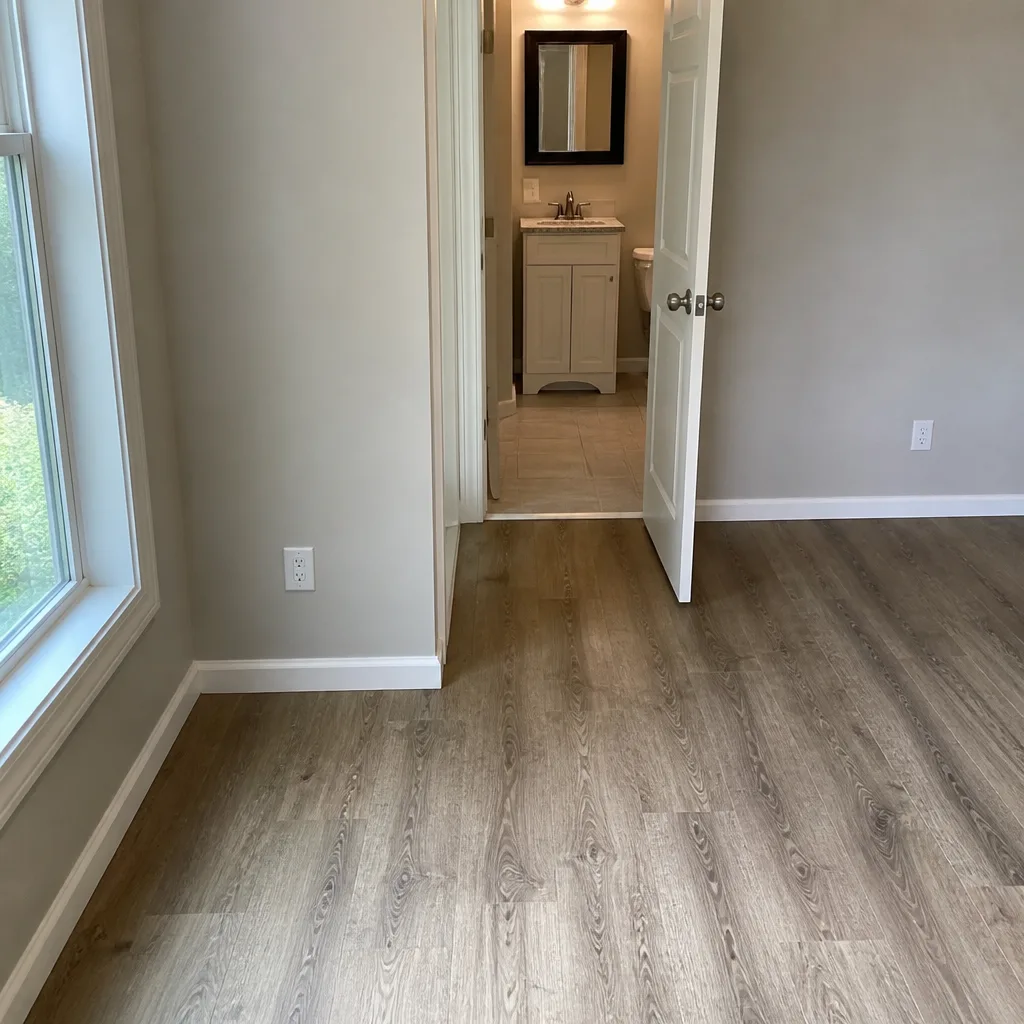

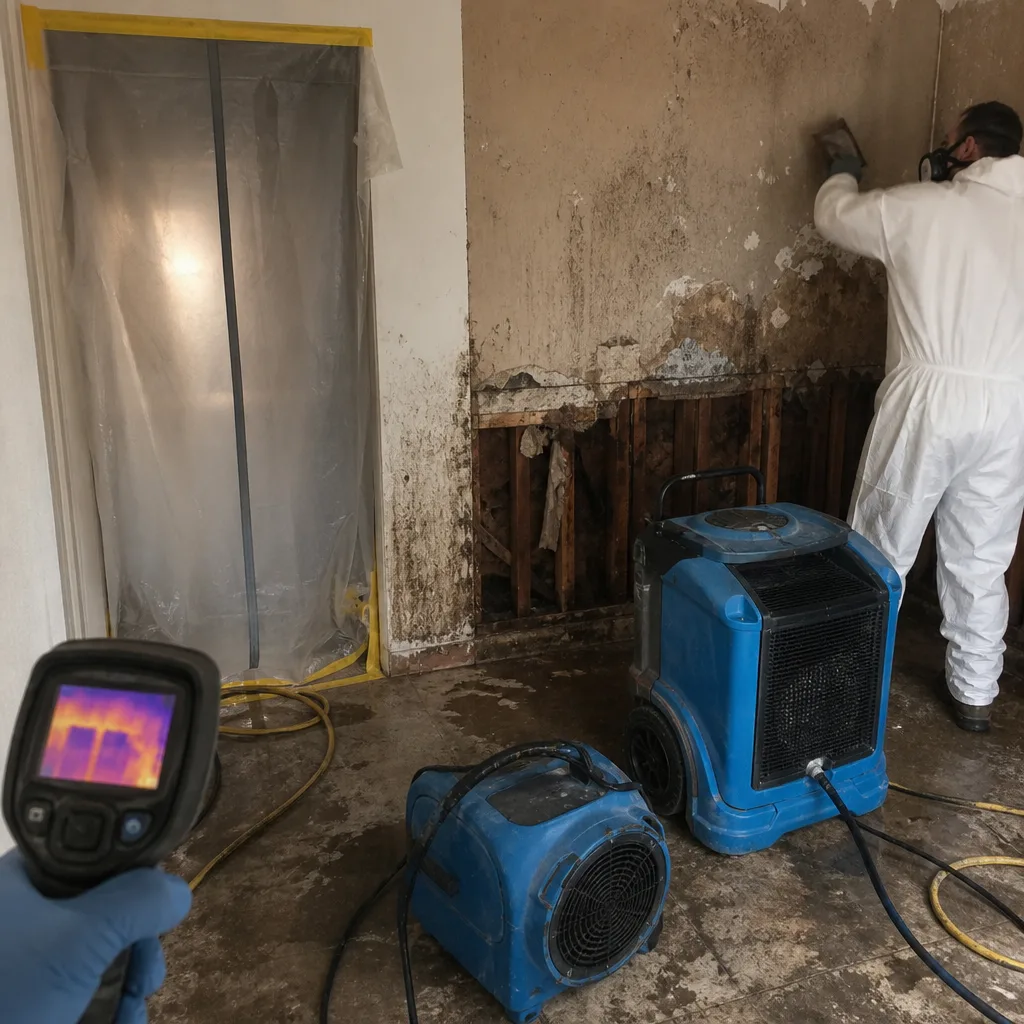 Before
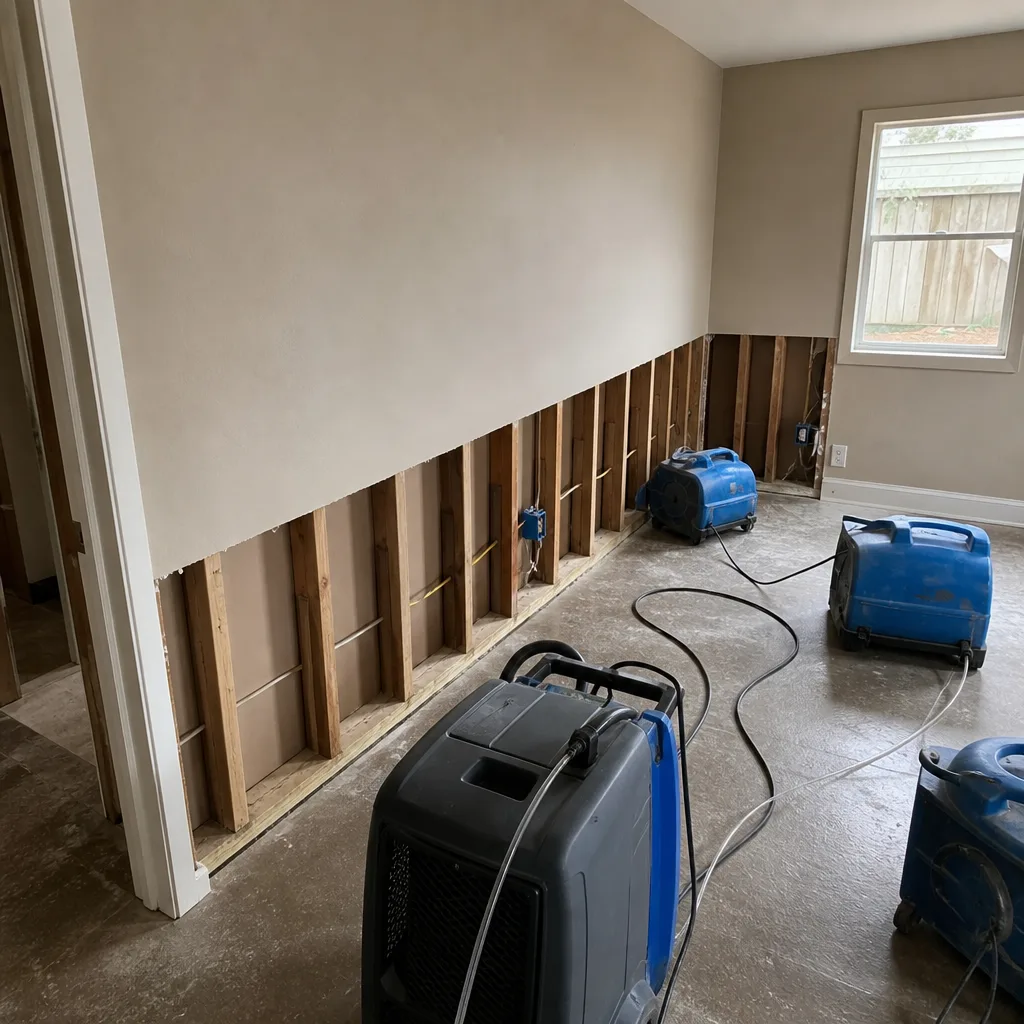 After
After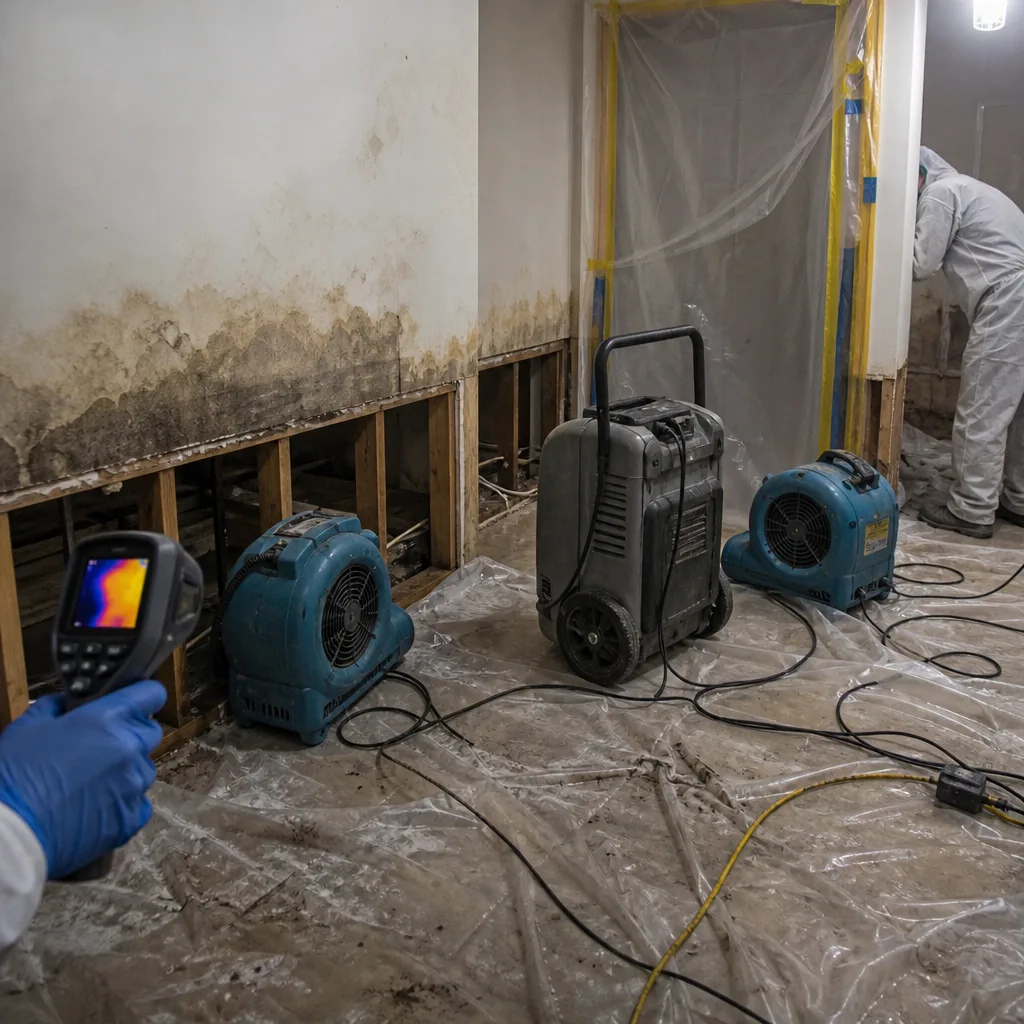 Before
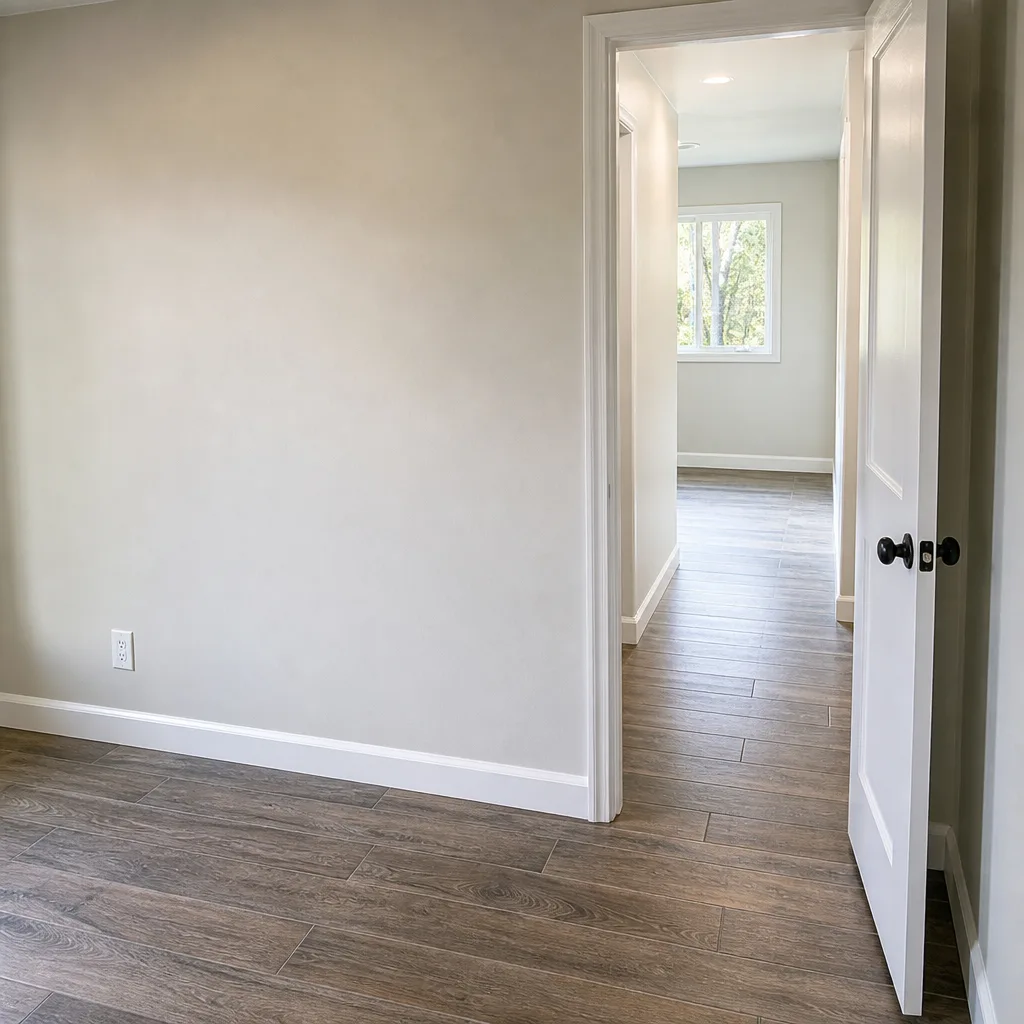 After
After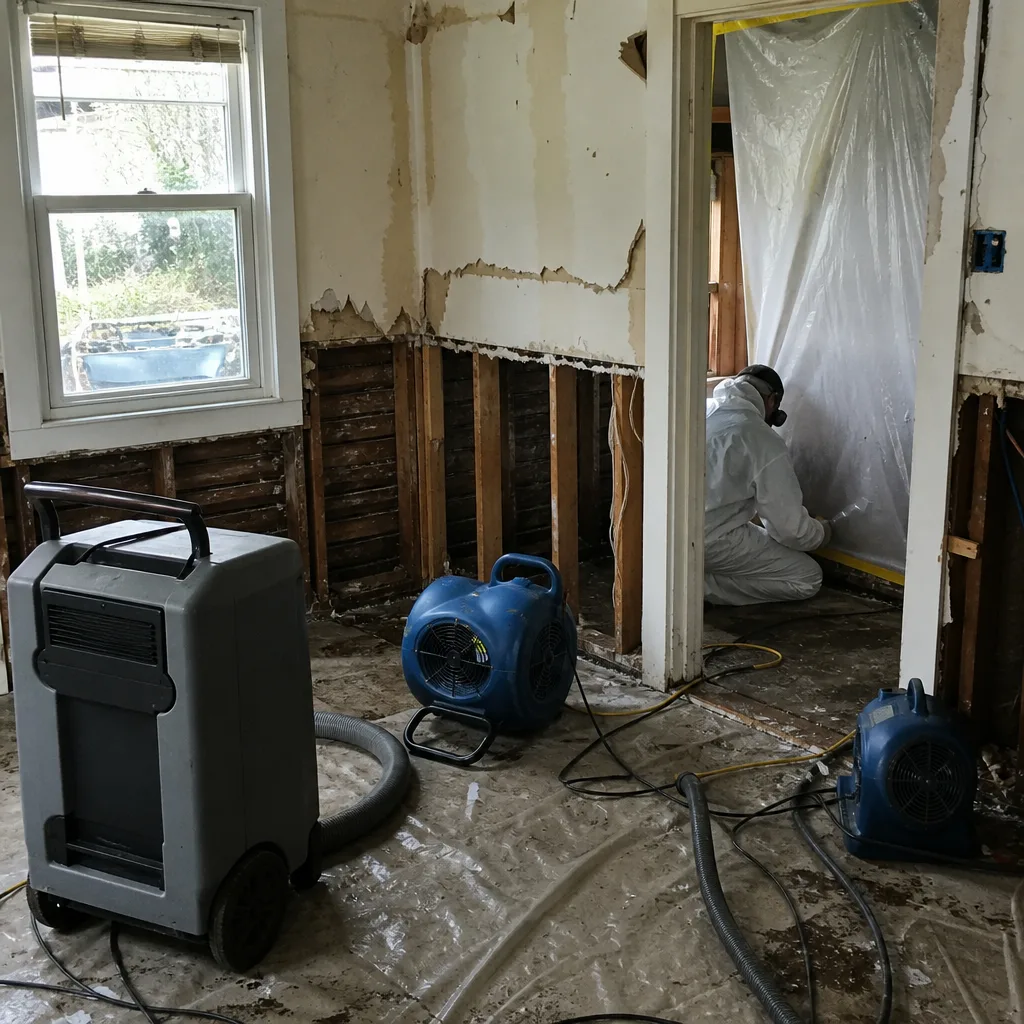 Before
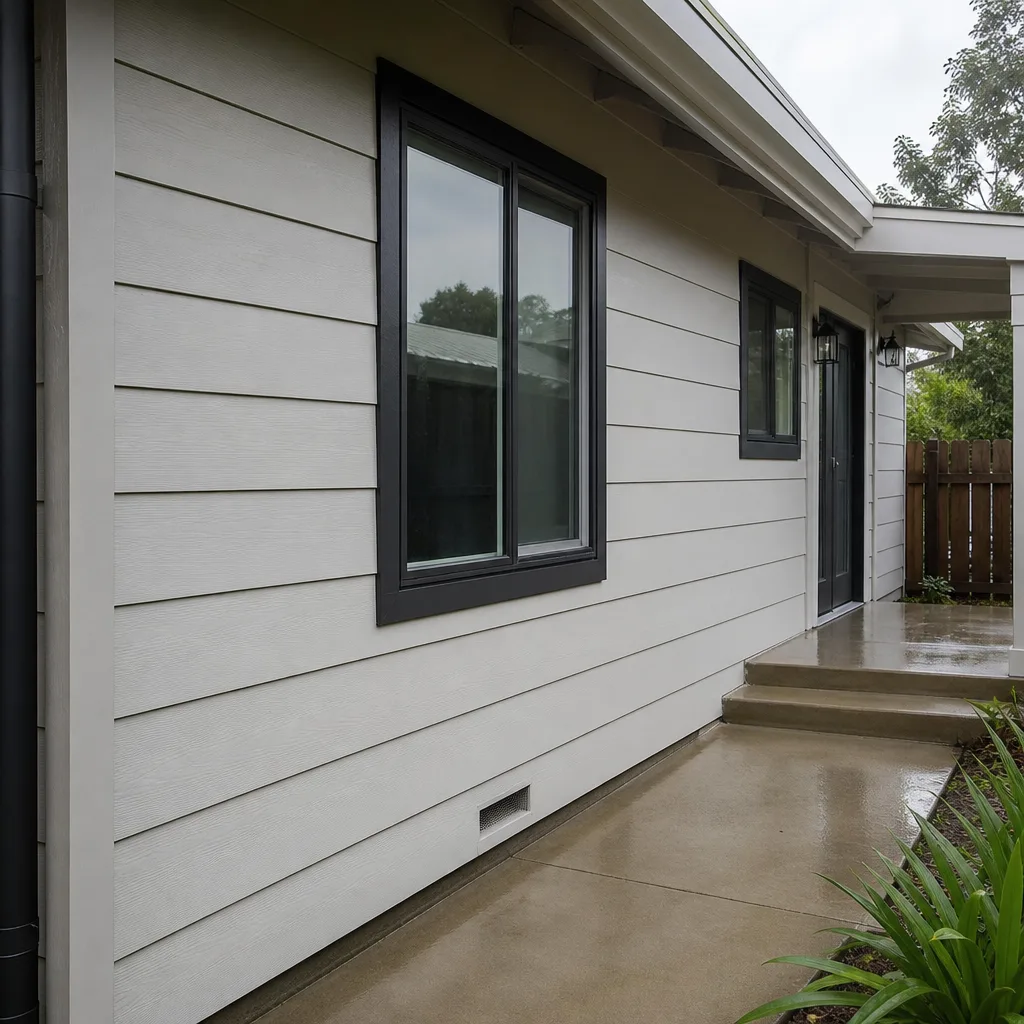 After
AfterSeasonal Damage Restoration Care for La Mesa: Year-Round Homeowner’s Guide
La Mesa averages fewer than 12 inches of rain annually, but San Diego County insurance data shows that the majority of water damage claims occur in a six-week window between December and mid-February. That narrow concentration means preparation timing matters far more than preparation effort. Most national guides split the year into four equal seasons, but La Mesa homeowners face a two-risk-window calendar: Santa Ana fire-wind season from September through October, and atmospheric river storm season from December through March. Everything else is maintenance that determines how badly those two windows hurt when they arrive. In this guide, we’ll map exactly what to do, when to do it, and how to document it so any claim you file has a clear before-and-after record. For a deeper dive, see The Complete Guide to Damage Restoration in La Mesa.
Quick Answer
La Mesa homeowners should prepare for two distinct damage windows: Santa Ana season (September-October) for fire and wind damage, and storm season (December-March) for water intrusion. The most effective year-round strategy combines pre-season documentation, measurable maintenance tasks with verified outcomes, and a 24-hour post-event inspection protocol. Homeowners can also follow our Water Damage Restoration Maintenance Checklist for La Mesa Homeowners for step-by-step guidance. Homes that follow this two-window model typically see faster claim resolution and lower out-of-pocket restoration costs.
Table of Contents
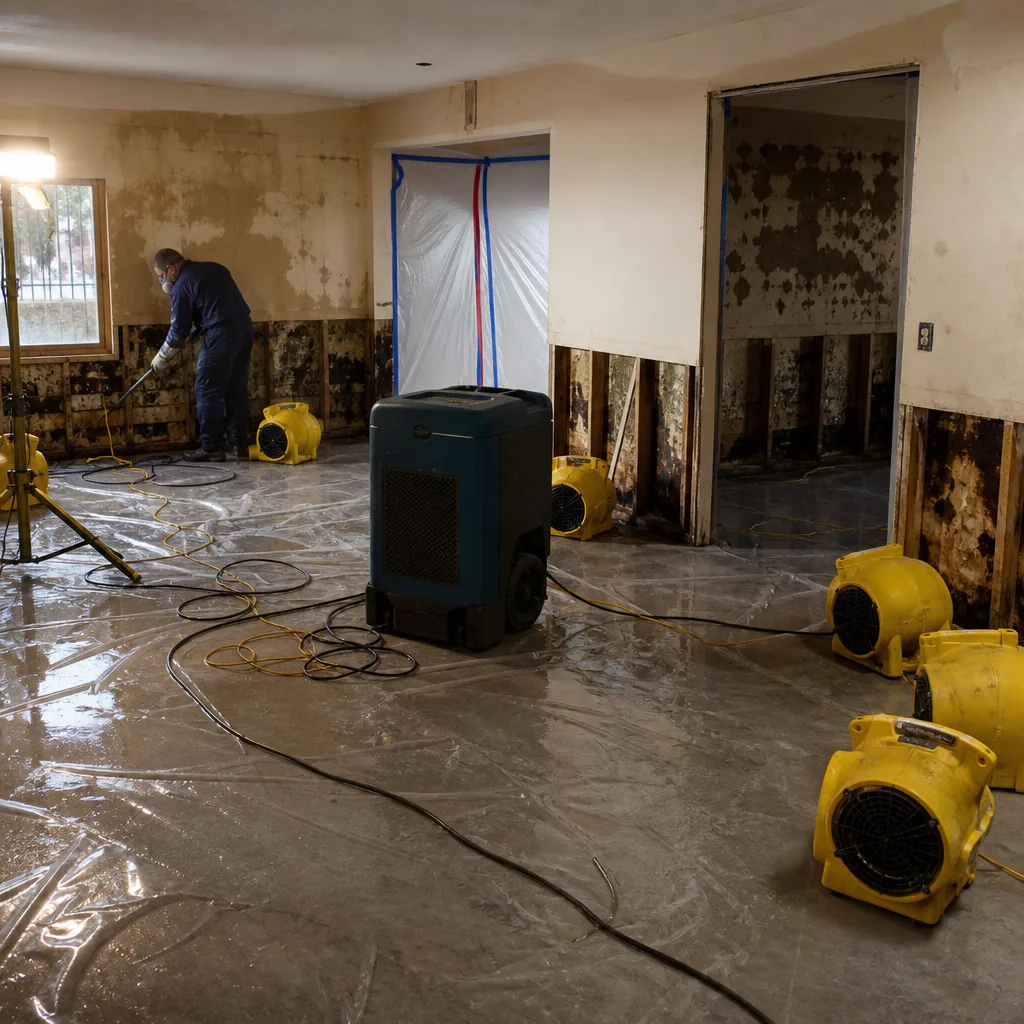
- The La Mesa Two-Risk-Window Model
- Santa Ana Season Preparation: September-October
- Storm Season Preparation: November
- Post-Rain Inspection Protocol: The 24-Hour Check
- Summer Dry Season Maintenance
- How to Document Your Home’s Pre-Season Condition
- What Restoration Costs in La Mesa
- Common Mistakes to Avoid
- When to Call a Professional
- Frequently Asked Questions
 Before
 After
AfterThe La Mesa Two-Risk-Window Model
Most seasonal home maintenance guides divide the year into quarters. That framework fails in La Mesa because our climate doesn’t distribute risk evenly. We have two concentrated threat periods, separated by long dry intervals where the real work is preventing the next crisis.
Santa Ana Window (September-October): Hot, dry winds from the east and northeast drive relative humidity below 15 percent and sustained winds above 40 mph. In October 2019, the Santana wind event pushed embers more than a mile ahead of the main fire front in San Diego County. For La Mesa homes, the risk isn’t just direct fire contact. It’s ember intrusion through attic vents, accumulated dry debris igniting against siding, and post-wind damage that compromises water barriers before storm season arrives.
Storm Window (December-March): Atmospheric rivers, or “Pineapple Express” events, concentrate La Mesa’s annual rainfall into a handful of intense episodes. The December 2022-January 2023 sequence dropped over 6 inches in a three-week period, causing widespread roof leaks, foundation perimeter flooding, and crawl space saturation in the older housing stock near La Mesa Boulevard and the Grossmont area. These homes, many built between 1950 and 1975, often have original clay sewer lines, unsealed foundation vents, and roof decking that has cycled through decades of summer shrinkage and winter expansion.
The months between these windows, April through August, are when structural gaps open, sealants degrade, and drainage systems clog with dust. Maintenance done during this period determines whether the next Santa Ana or atmospheric river becomes a restoration project or a close call.
Santa Ana Season Preparation: September-October
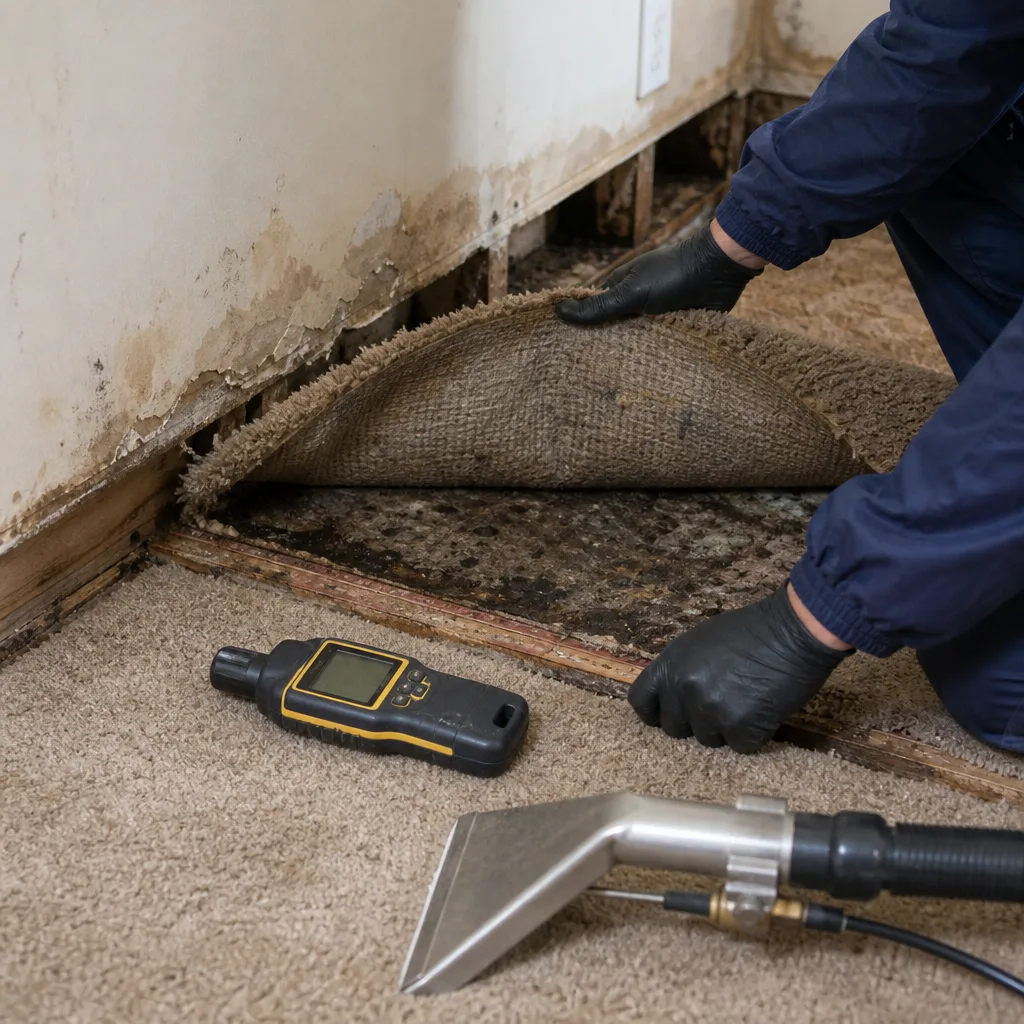
Preparation for Santa Ana season in La Mesa is measurable and time-bound. We recommend completing these tasks by September 15, before the first significant wind event typically arrives.
Task 1: Gutter Clearance Verified by Flow Test
Remove all debris from gutters and downspouts. Then run a hose at full volume into each downspout for 90 seconds. Water should exit freely at the discharge point within 5 seconds of starting the hose. If it backs up, the underground drain line is likely clogged with root intrusion or collapsed sections, common in the magnolia-lined streets of the Mt. Helix foothills where mature tree roots seek any moisture source.
Document: photo of cleared gutter, photo of water flowing from discharge point, date stamp.
Task 2: Dryer Vent Inspection with CFM Check
Lint accumulation in dryer vents is the leading ignition source for Santa Ana-related fire calls in San Diego County. Remove the exterior vent cover and inspect the duct with a flashlight. The vent should show no visible lint buildup within arm’s reach. If you have an anemometer, airflow at the exterior vent should read at least 1,200 feet per minute with the dryer running on high heat. Below 1,000 CFM indicates partial blockage requiring professional cleaning.
In our experience across La Mesa, vents longer than 15 feet or with more than two bends rarely achieve adequate airflow without annual cleaning. The 1970s-era townhomes near University Avenue are particularly prone to this issue due to original vent routing through attic spaces.
Task 3: Attic Vent Screen Integrity
Inspect every attic vent for 1/8-inch or smaller metal mesh. Standard 1/4-inch mesh stops birds but not embers. Replace any screen with corrosion holes, gaps at frame joints, or sections held by deteriorated caulk. In the La Mesa area, we regularly find original aluminum screens from the 1980s that have crystallized and cracked from heat cycling.
Document: photo of each vent screen, close-up showing mesh size, date stamp.
Task 4: Defensible Space Perimeter
Clear all dead vegetation, leaves, and combustible mulch from within 5 feet of the foundation. Move firewood, propane tanks, and combustible storage to 30 feet from the structure. This isn’t aesthetic landscaping; it’s the distance that determines whether an ember landing in dry material generates enough radiant heat to ignite siding or penetrate a window.
Document: dated photo of cleared perimeter, photo of relocated combustibles.
Storm Season Preparation: November
Once Santa Ana risk declines, typically by late October, the three-week window before the first major atmospheric river arrives is critical. In La Mesa, that first significant event historically lands between December 10 and December 20, though November storms have increased in frequency since 2019.
Roof and Flashing Inspection
Inspect roof surfaces for cracked, curled, or missing shingles. Check metal flashing at chimneys, vent pipes, and valley intersections for gaps, corrosion, or lifted edges. In the Grossmont and Del Cerro-adjacent areas of La Mesa, tile roofs are common; inspect for broken tiles and verify underlayment isn’t exposed. A single broken tile over saturated underlayment can admit gallons of water during a 2-inch-per-hour rainfall rate, which atmospheric rivers in this region regularly produce.
Pay particular attention to north-facing roof sections, which dry slower and develop organic growth that retains moisture against decking. We’ve documented cases in La Mesa where north-facing eaves showed 28 percent moisture content in roof decking while south-facing sections read 12 percent, the difference between salvageable material and full replacement.
Gutter Downspout Discharge Verification
Confirm downspouts discharge at least 6 feet from the foundation. In La Mesa’s clay-dominant soils, common in the eastern and northern neighborhoods, water pooling near the foundation creates hydrostatic pressure that drives moisture through slab penetrations and stem wall cracks. If downspouts currently terminate at the foundation, add rigid extensions before December 1.
Foundation Grading and Drainage
Soil should slope away from the foundation at 6 inches of drop per 10 feet of horizontal distance. Use a level and tape measure to verify. In older La Mesa neighborhoods where previous owners added patios or walkways without maintaining grade, we’ve found reverse slopes that pool water against the foundation during intense rainfall. Correcting this requires removing hardscape, regrading, and reinstalling, but the alternative is crawl space flooding that requires professional water damage restoration and weeks of drying with commercial dehumidification.
Window and Door Frame Seal Inspection
Inspect exterior caulk at all window and door frames. In La Mesa’s climate, acrylic latex caulk typically fails within 18-24 months due to UV exposure and thermal cycling. Remove failed sections and recaulk with a high-quality silicone or polyurethane sealant rated for 50-year durability. Check weatherstripping at door bottoms and thresholds; light visible from inside when the door is closed indicates replacement is needed.
HVAC Condensate Line Clearance
Even in November, La Mesa’s intermittent warm days can produce significant condensate. Verify the condensate line flows freely and terminates outside the structure, not into a crawl space or wall cavity. We’ve responded to multiple La Mesa homes where a clogged condensate line combined with a rare November heat wave produced enough moisture to trigger mold growth in wall cavities before storm season even arrived.
Post-Rain Inspection Protocol: The 24-Hour Check
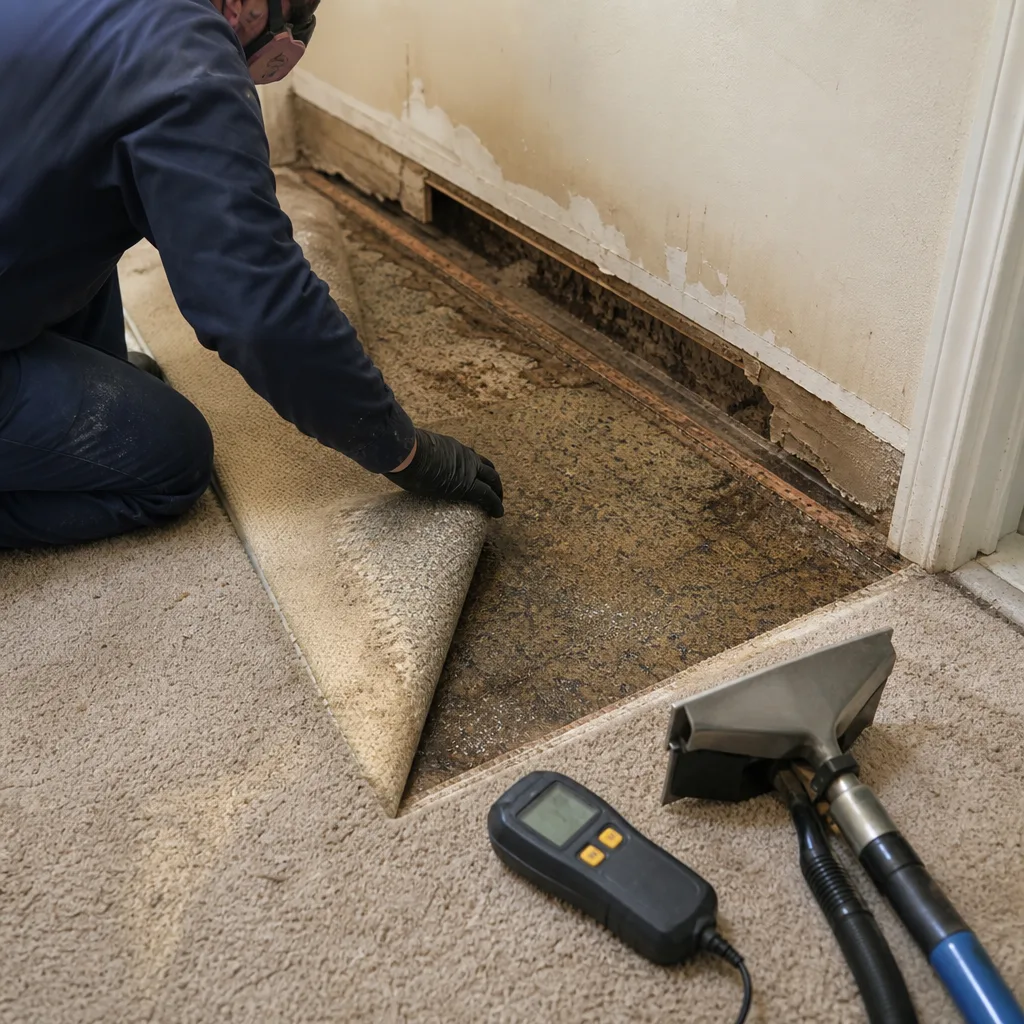
The first 24 hours after a significant rain event determines whether minor intrusion becomes major restoration. Atmospheric river rainfall in La Mesa often exceeds 1 inch per hour for multiple hours, testing every vulnerability at once. Perform this inspection within 24 hours of rainfall cessation, before evaporation masks active leaks.
- Crawl space moisture assessment: Enter the crawl space with a flashlight and moisture meter. Check wooden floor joists and subflooring at multiple points, especially near plumbing penetrations and the foundation perimeter. Readings above 16 percent moisture content indicate active water intrusion requiring professional drying. Document readings with photos showing meter display and location.
- Attic insulation inspection: Look for compressed, discolored, or damp insulation. Fiberglass that appears darker than surrounding material has likely absorbed moisture. Check the underside of roof decking for water stains or active dripping. In La Mesa’s older homes near the village core, inadequate attic ventilation can trap moisture for weeks after a leak, promoting mold growth even when the roof repair is complete.
- Window and door frame moisture readings: Use a pinless moisture meter on interior trim around all windows and exterior doors. Readings above 12 percent on painted wood trim indicate water migration from failed exterior seals. Check for bubbling paint or softened drywall adjacent to frames.
- Exterior drainage observation: Walk the perimeter during or immediately after rainfall. Note any standing water, overflowing gutters, or water flowing toward rather than away from the foundation. Photo document with date stamp.
- Garage and exterior storage check: Inspect items stored against exterior walls for moisture contact. Cardboard boxes are early indicators; they wick moisture and show staining before visible water appears on walls or floors.
If any inspection point shows active moisture, the documentation you’ve created becomes the basis for both immediate action and any subsequent insurance claim. A dated photo of a dry crawl space from November, compared to a wet crawl space photo from December 15, eliminates disputes about pre-existing conditions.
Summer Dry Season Maintenance
April through October in La Mesa is often treated as a restoration off-season. That assumption is expensive. The dry season is when structural materials contract, seals degrade, and systems that will be tested in December develop the failures that determine claim severity.
Wood Framing Shrinkage and Gap Formation
La Mesa’s summer temperatures regularly exceed 85°F with relative humidity below 40 percent. Wood framing in roof structures, especially the Douglas fir and hemlock common in pre-1990 construction, shrinks across the grain. This opens gaps at ridge boards, rafter heels, and top plates that remain invisible from the ground but admit wind-driven rain in December. Inspect attic framing in July or August, when shrinkage is at maximum. Look for daylight visible through joints that were tight in spring. Seal with appropriate flexible sealant, not rigid caulk that will fail with the next expansion cycle.
Caulk Degradation Timelines
Exterior caulk in La Mesa’s UV exposure typically shows surface cracking within 18 months of application. By month 24, adhesion failure at substrate edges is common. Rather than waiting for visible failure, schedule full exterior caulk inspection every September, with replacement of any section showing surface checking or reduced elasticity. The cost of preventive recaulking is approximately $3-$5 per linear foot for DIY materials; the cost of water intrusion through failed caulk, including professional drying with Dri-Eaz and Phoenix equipment, typically starts at $2,400 for a single wall cavity.
HVAC Condensate Line Maintenance
La Mesa’s extended cooling season, often May through October, produces condensate volumes that exceed many homeowners’ expectations. A 3-ton air conditioning system in 80°F weather with 60 percent relative humidity generates approximately 6 gallons of condensate daily. Verify the condensate line monthly during peak season: pour a quart of water into the drain pan and confirm it exits the exterior termination point within 30 seconds. Algae and biofilm buildup, accelerated by La Mesa’s warm temperatures, is the most common cause of blockage.
Irrigation System Boundary Management
Automatic irrigation systems are a leading cause of summer water damage in La Mesa. Sprinkler heads misaligned toward the foundation, broken underground lines, and timer malfunctions that run during rainfall all saturate soil near the structure. In clay soils, this saturation creates expansion that cracks slabs and stem walls, providing pathways for winter water intrusion. Inspect sprinkler coverage monthly, adjusting heads to maintain a 12-inch dry zone at the foundation perimeter.
How to Document Your Home’s Pre-Season Condition
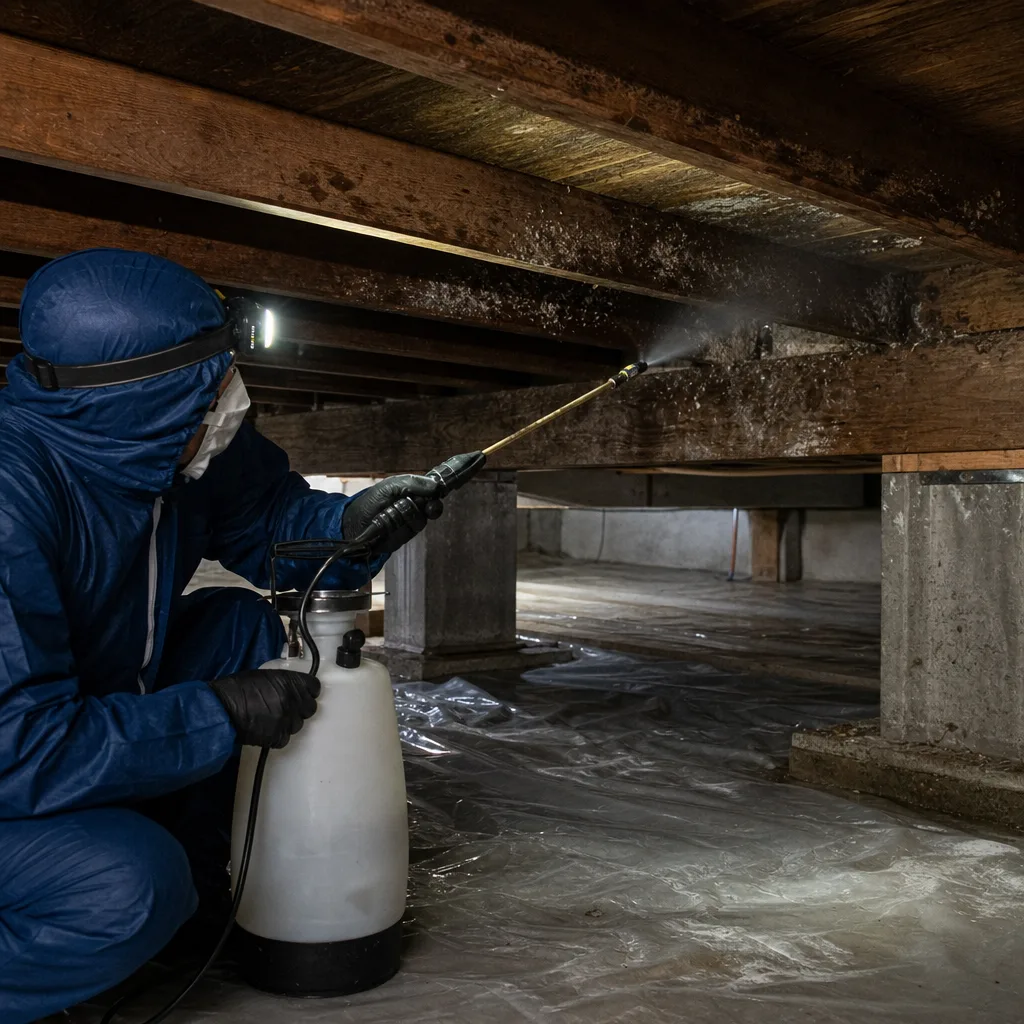
Documentation is the single factor that most often determines whether an insurance claim is paid promptly or disputed for months. Back to Dry Restoration was founded in 2011 by a former claims adjuster who built the company around the documentation gap that costs homeowners their claims. The following system produces the evidence that turns restoration invoices into payable claims.
The Pre-Season Photo Walkthrough
Schedule two walkthroughs annually: one by September 15 for Santa Ana preparation, one by November 15 for storm preparation. Each walkthrough requires:
- A camera with date-stamp capability (smartphone is sufficient)
- A moisture meter (pinless, $30-$50)
- A flashlight for attic and crawl space access
- A printed checklist to ensure consistency
Photograph the following in sequence, with a photo of the checklist page showing the location before each series:
- Roof: Full elevation photos from all four sides, plus close-ups of flashing intersections, vent penetrations, and any visible damage or repair areas.
- Foundation perimeter: Photos showing soil grade relationship to sill plate, downspout discharge points, and any cracks or settlement indicators.
- Attic: Photos of roof decking underside, insulation condition, vent screens, and any visible framing gaps or previous repairs.
- Crawl space or slab perimeter: Photos of foundation walls, visible plumbing, moisture conditions, and any previous water staining.
- Interior wet areas: Photos under all sinks, behind toilets, around water heater, and at washing machine connections. Use moisture meter on adjacent walls and document readings.
- HVAC: Photo of condensate line termination, filter condition, and any visible ductwork in attic or crawl space.
Store these photos in cloud storage with folder names including the date: “2024-09-15 Santa Ana Prep” and “2024-11-15 Storm Prep.” Email a copy to yourself for timestamp verification.
The Written Condition Summary
After each walkthrough, write a one-page summary noting any conditions found, actions taken, and items requiring monitoring. This written record, combined with dated photos, establishes the pre-loss condition that insurance adjusters must accept unless they can produce contradictory evidence.
At DryMark Restoration La Mesa, we provide a Free Second Opinion on any competitor’s written estimate, and we review homeowner documentation at no charge to identify gaps that could complicate a future claim. The Haven Standard, Clause 1, requires a written price before any work starts, but it also requires that the price be based on documented conditions, not assumptions.
What Restoration Costs in La Mesa
Understanding typical restoration costs helps homeowners evaluate estimates and recognize when documentation justifies the expense. See our Damage Restoration Cost Breakdown: The La Mesa Homeowner’s Reference for 2026 for detailed pricing context. The following ranges reflect La Mesa market conditions for 2024-2025, based on our experience with over 12,000 homes restored since 2011, every one with a written price before work started and a documented record when the crew left.
| Service Category | Typical Range | Factors Affecting Cost |
|---|---|---|
| Water damage inspection and moisture mapping | $150-$350 | Size of affected area, accessibility of crawl space or attic, number of moisture readings required |
| Structural drying (per affected area, 3-5 day cycle) | $1,200-$3,800 | Class of water loss (clean, gray, or black), square footage, equipment type (Dri-Eaz, Phoenix, or Injectidry for specialized cavities) |
| Crawl space drying and dehumidification | $2,400-$5,500 | Standing water removal required, vapor barrier condition, extent of insulation saturation |
| Mold remediation (localized, per containment area) | $1,800-$4,200 | Square footage of visible growth, material type affected, air sampling requirements for clearance |
| Fire and smoke damage assessment and initial cleaning | $2,800-$7,500 | Extent of soot deposition, HVAC system contamination, contents cleaning requirements |
| Sewage cleanup (Category 3 water loss) | $3,500-$8,500 | Volume of contamination, porous material removal required, antimicrobial treatment scope |
| Reconstruction and repair (per project) | $4,500-$25,000+ | Scope of structural repair, finish material matching, permit requirements for La Mesa |
These ranges are estimates for planning purposes. Every job we perform at DryMark Restoration La Mesa is quoted in writing before work begins, with no scope-creep additions once the crew is inside, per Haven Standard, Clause 1. We use professional-grade drying systems from Dri-Eaz, Phoenix, XPOWER, and B-Air, with daily moisture logs documented to IICRC, RIA, and IFA standards.
Insurance coverage for these services varies by policy and cause of loss. We coordinate directly with adjusters, providing the photo documentation and written scopes that support claim approval. Our 365-Day Done Right Promise, backed by The Haven Standard, ensures that if any aspect of the restoration requires correction within one year, we make it right at no additional cost.
Common Mistakes to Avoid
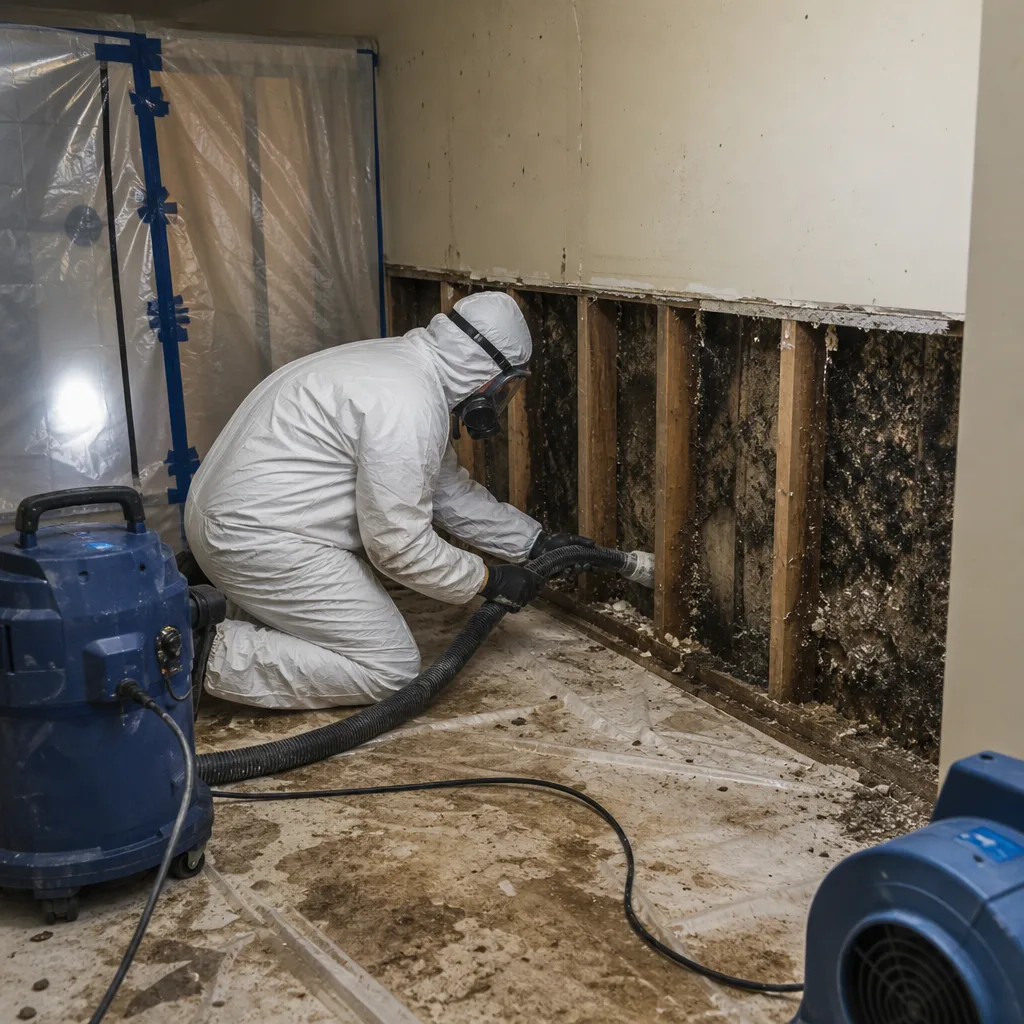
- Waiting for visible water before acting. By the time water stains appear on drywall or ceiling panels, the actual moisture intrusion has typically been active for 72 hours or more. In La Mesa’s December-January humidity, mold colonization begins on wet organic materials within 48-96 hours. Inspect proactively, not reactively.
- Cleaning gutters without verifying downspout flow. Debris removed from gutters often relocates to underground drain lines, creating blockages that back up during the first intense rainfall. Always perform a flow test after gutter cleaning.
- Using pressure washers on roof surfaces. The high-pressure spray drives water under shingles and tiles, and in La Mesa’s climate, the moisture remains trapped by afternoon heat that seals surface water before it evaporates. Use low-pressure washing or professional soft-wash methods only.
- Ignoring summer irrigation impacts on winter vulnerability. Saturated foundation soil in summer creates expansion cracks that become water pathways in winter. Maintain the 12-inch dry perimeter year-round, not just before storms.
- Failing to document pre-season conditions. Without dated photos of a dry crawl space, dry attic, and intact seals, insurance adjusters may attribute post-storm damage to long-term maintenance neglect. Documentation is not paranoid; it is the standard that professional restoration operates under.
- Delaying professional assessment after discovering moisture. Homeowners who attempt to “air out” water damage in La Mesa’s mild climate often find that surface dryness masks trapped moisture in wall cavities and subflooring. Professional moisture mapping with thermal imaging and penetrating meters identifies hidden saturation that DIY methods miss.
- Accepting verbal estimates for restoration work. The Haven Standard exists because verbal estimates lead to disputes. Every legitimate restoration contractor in La Mesa should provide a written scope and price before work begins. If they won’t, that is information about their business practices.
When to Call a Professional
Call for professional assessment when you find moisture meter readings above 16 percent in structural wood, visible mold growth of any size, water staining that reappears after cleaning, or any sewage backup or Category 3 water intrusion. These conditions require containment, specialized drying equipment, and documentation that supports insurance claims.
After fire or smoke damage, even from a contained kitchen fire, professional evaluation of HVAC contamination and soot deposition patterns is essential. Smoke particles are acidic and continue degrading surfaces until properly removed.
DryMark Restoration La Mesa offers free estimates in La Mesa. Our live person answers every call, 24 hours a day, 7 days a week, with no voicemail on emergency lines. Every job is quoted in writing before work begins, documented with a photo record on every visit, and covered by the 365-Day Done Right Promise. Call (858) 264-2736 for assessment, documentation review, or a Free Second Opinion on any competitor’s written estimate.
Frequently Asked Questions
Structural drying typically ranges from $1,200 to $3,800 for a standard residential water loss, depending on the affected square footage, water classification, and drying duration required. Crawl space drying runs higher, from $2,400 to $5,500, due to access constraints and dehumidification demands. Call (858) 264-2736 for a written estimate specific to your situation, estimates are free.
Standard homeowners policies generally cover sudden and accidental water intrusion from roof leaks or wind-driven rain, but exclude damage from flooding or long-term maintenance neglect. The key to coverage is documentation: dated photos showing pre-season roof condition, maintenance records, and immediate post-event inspection with moisture readings. We coordinate directly with adjusters and provide the written scopes and photo records that support claim approval. Call (858) 264-2736 if you’ve received a claim denial and want a Free Second Opinion.
For active water intrusion, our live dispatch answers immediately and routes the nearest available crew. Response time depends on current event volume; during widespread atmospheric river damage, priority goes to Category 3 contamination and active structural water flow. For non-emergency assessment, we typically schedule within 24 hours. Call (858) 264-2736 for current availability.
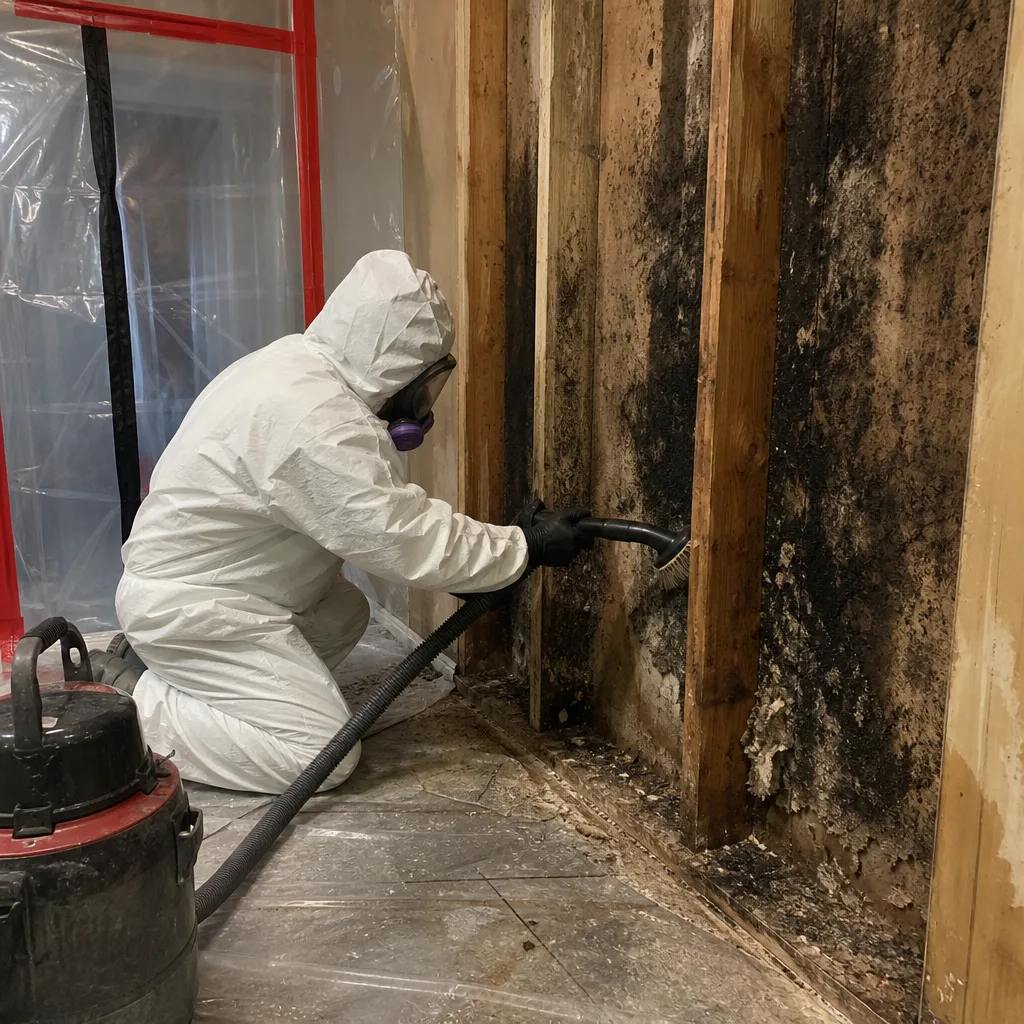
Mold growth exceeding 10 square feet, or any growth resulting from Category 2 or 3 water intrusion, requires professional remediation with containment and air filtration. Surface cleaning with household products is appropriate only for very minor, recent growth on non-porous surfaces in areas with confirmed moisture source elimination. We assess with moisture mapping and air sampling to determine appropriate scope, then provide a written price before any work begins per Haven Standard, Clause 1.
La Mesa’s combination of older housing stock, clay-dominant soils in eastern neighborhoods, and concentrated rainfall in narrow windows creates specific vulnerability patterns. The 1950-1975 construction era common near La Mesa Boulevard and the village core used materials and methods that perform poorly under modern atmospheric river intensity. Additionally, proximity to wildland-urban interface areas elevates Santa Ana ember intrusion risk compared to more coastal communities.
Sufficient documentation includes dated photos of pre-season conditions, written maintenance records with dates and actions taken, immediate post-event photos with moisture readings, and any professional inspection reports. If you have a competitor’s estimate or a claim denial, bring it to us for a Free Second Opinion at no charge. We’ll review your documentation and identify any gaps that could be strengthened.
The Haven Standard is the operational framework that governs every DryMark Restoration La Mesa job, established when the company was founded in 2011. Clause 1 requires a written price before any work starts, with no exceptions. The 365-Day Done Right Promise, also under The Haven Standard, guarantees that if any aspect of our work requires correction within one year, we make it right. These are written commitments, not marketing language, and they are stamped on every job documentation package.
The Bottom Line
La Mesa homeowners face a two-risk calendar, not four equal seasons. Santa Ana preparation in September and October prevents fire and wind damage that compromises water barriers before storm season. November storm preparation, verified with measurable outcomes, determines whether December atmospheric rivers become insurance claims or close calls. Summer maintenance prevents the structural degradation that turns minor events into major restoration. Documentation, performed twice yearly with dated photos and written summaries, is the evidence that transforms disputed claims into paid ones. The homes that fare best are not those with the most expensive preparations; they are those with the most precisely timed and thoroughly documented ones.
Written by Alicia Brennan, Owner at DryMark Restoration La Mesa, serving La Mesa since 2011.