
Last updated September 23, 2026
Free visual inspection and a written scope of work before any mitigation begins - photos, moisture readings, and drying logs go in your claim file
The scope we write is the scope we bill. Anything new gets shown to you, in writing, before we touch it.
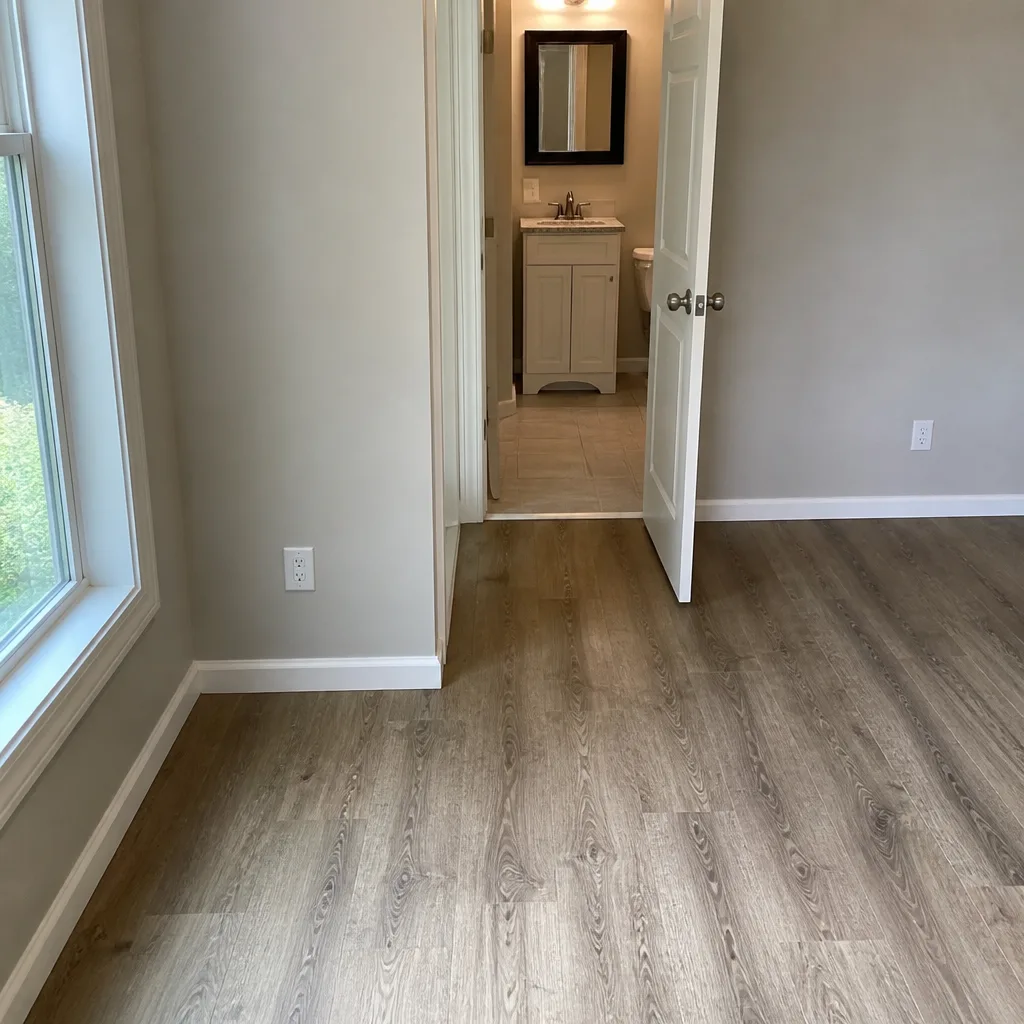

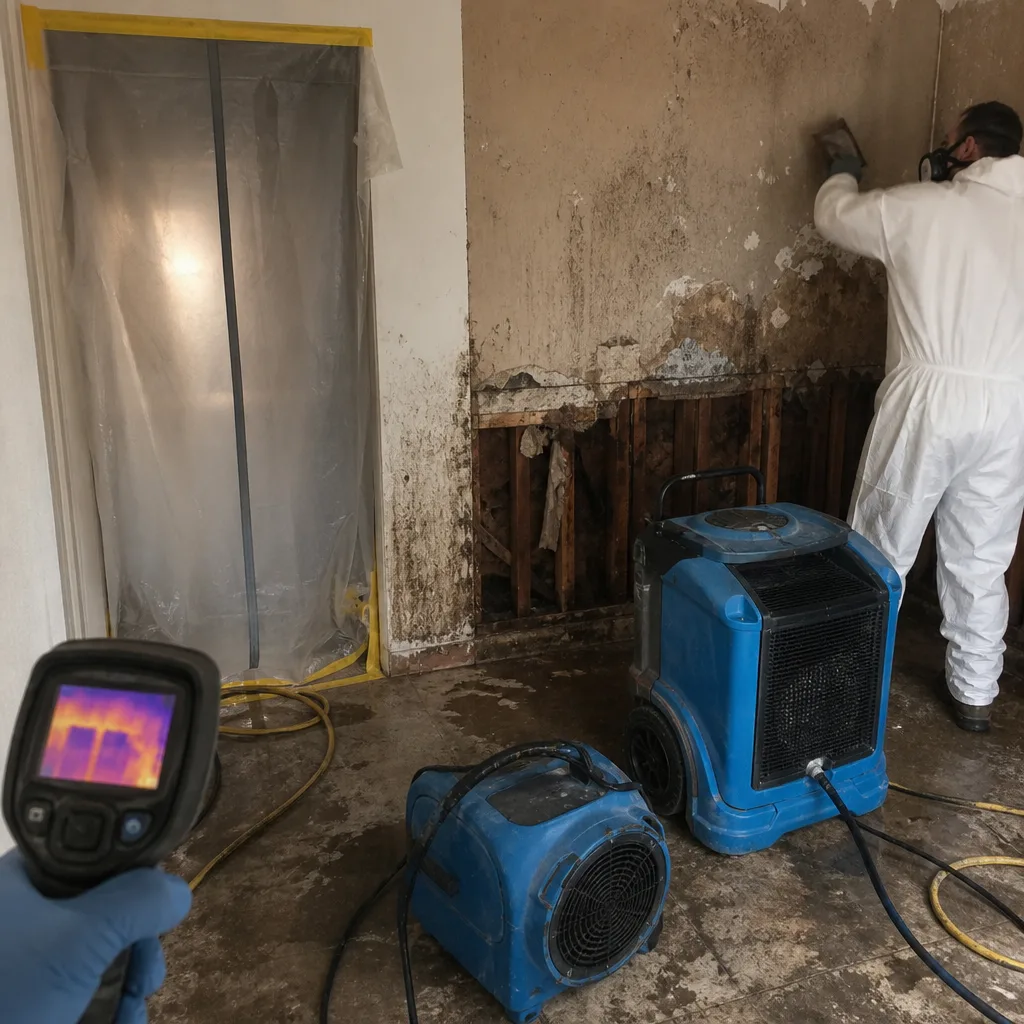 Before
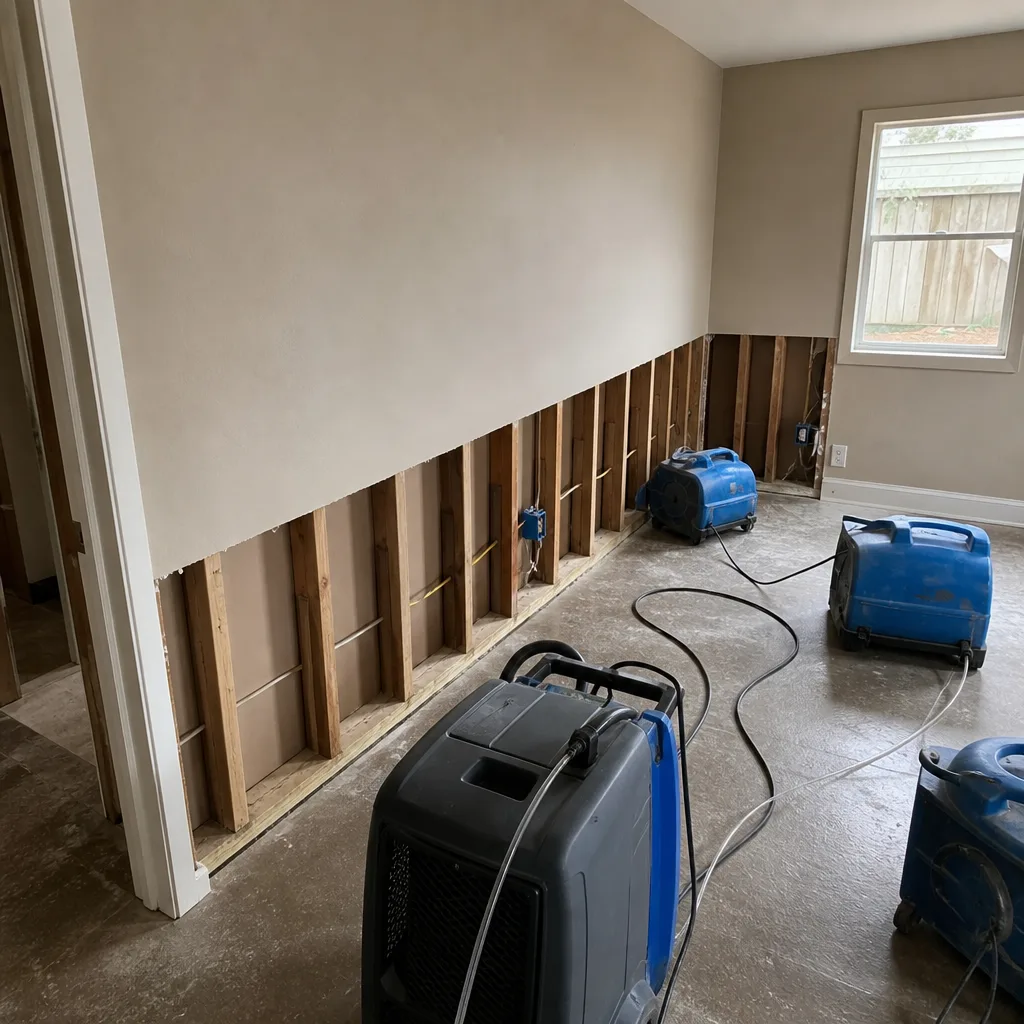 After
After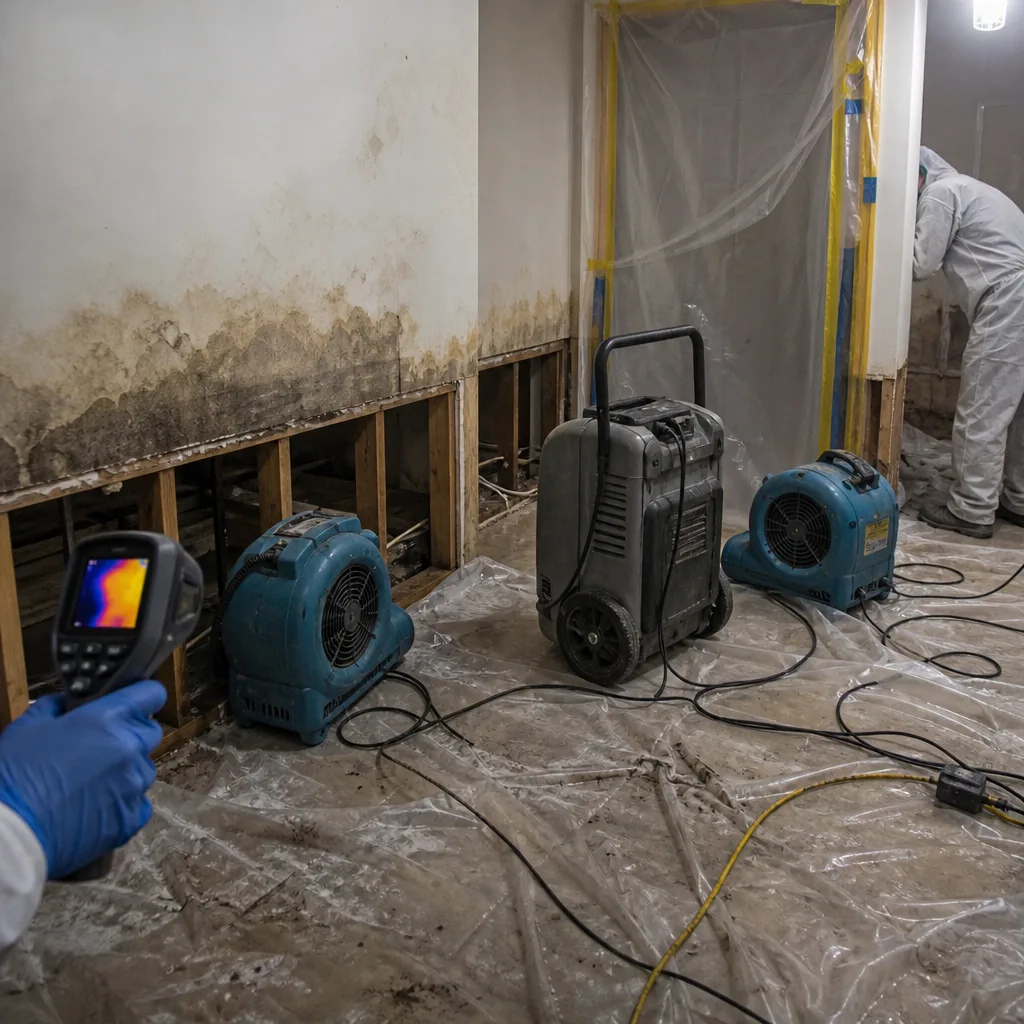 Before
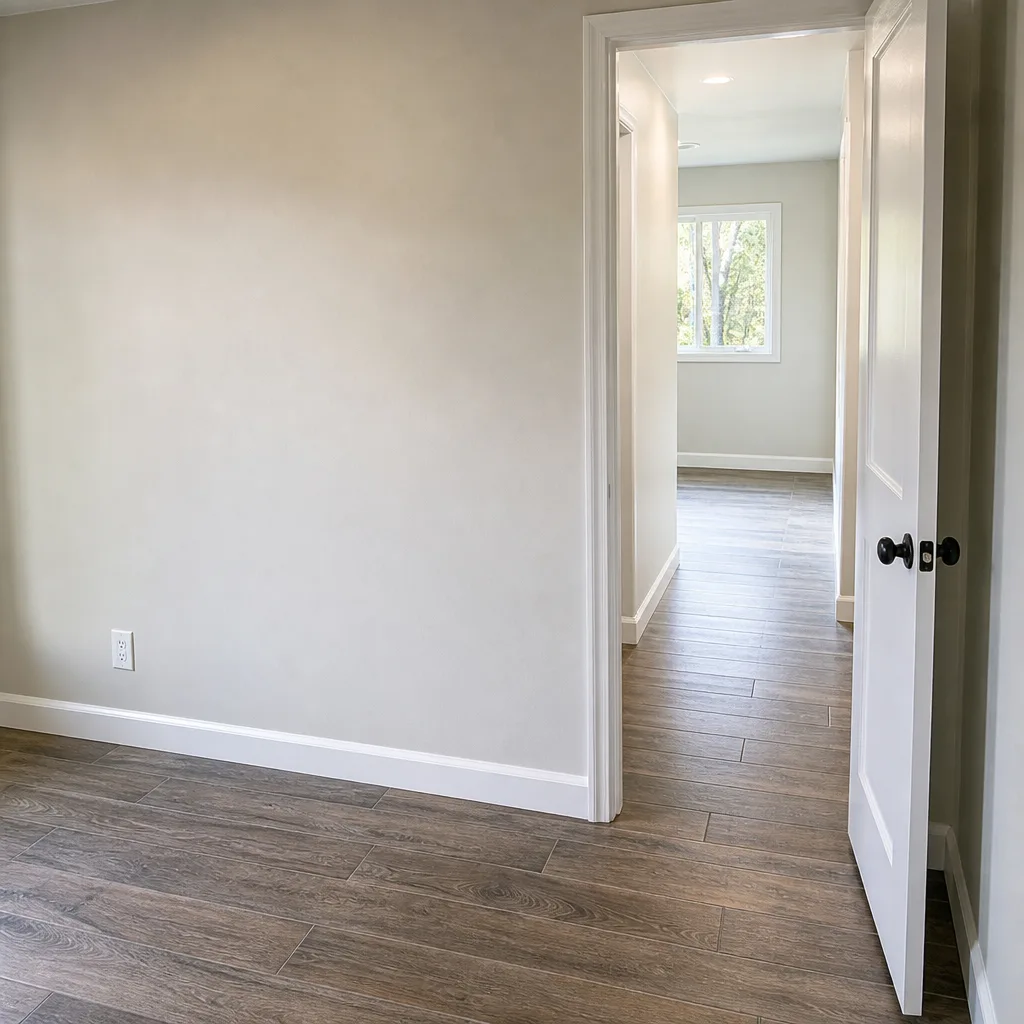 After
After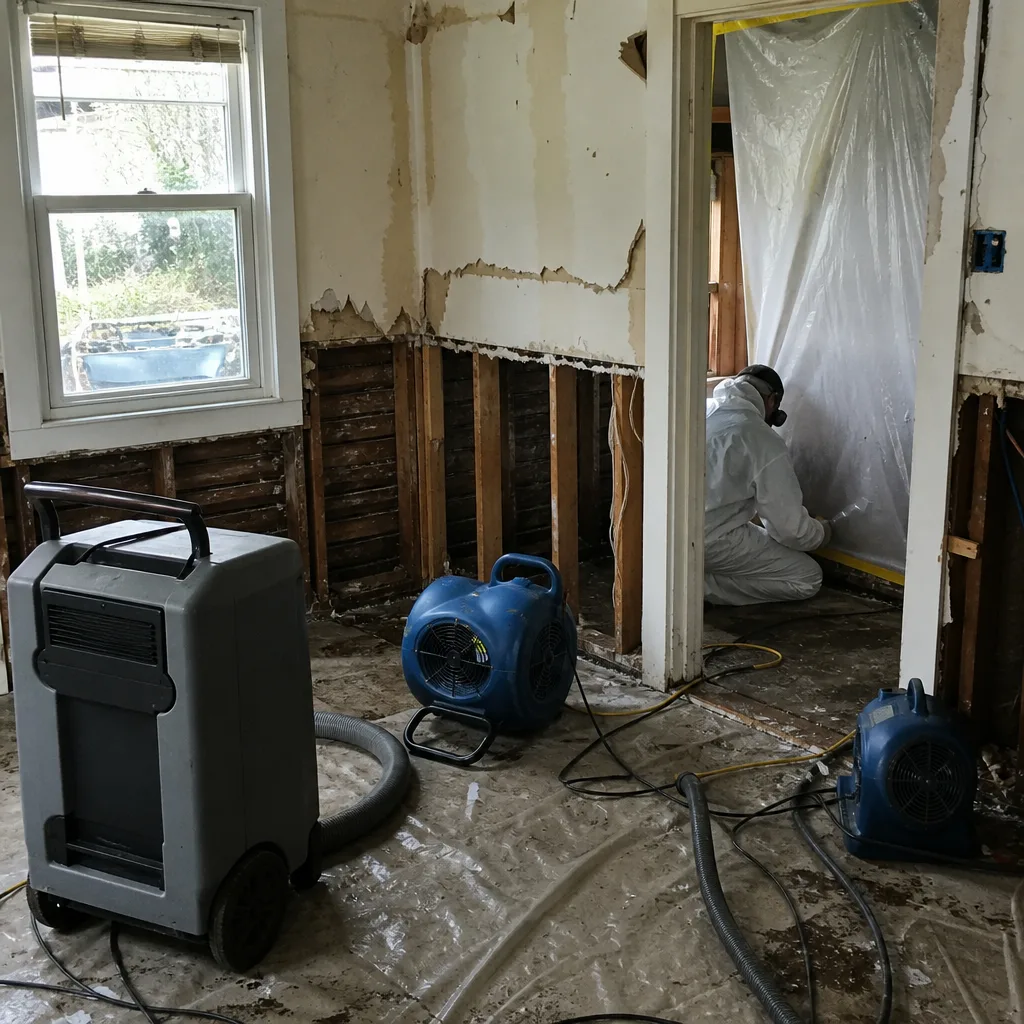 Before
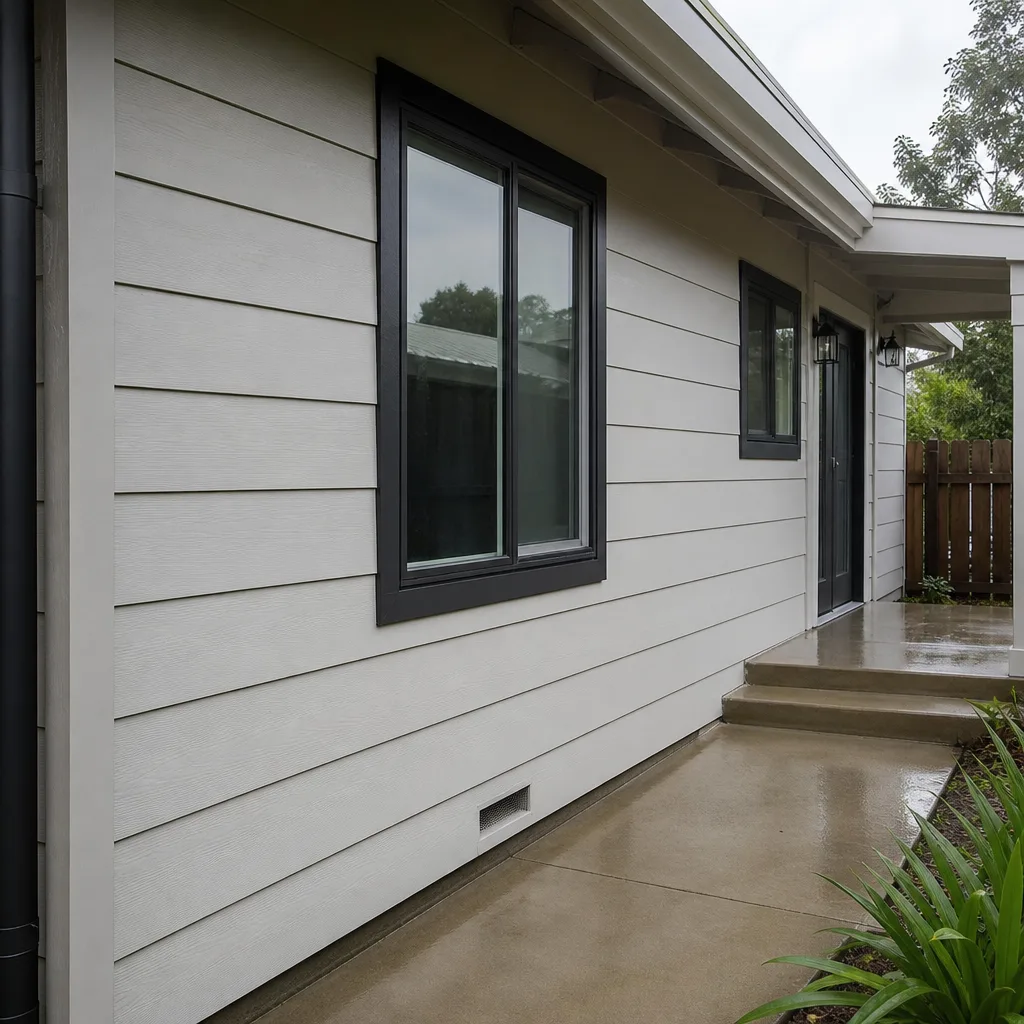 After
AfterDamage Restoration Permits, Codes & Inspections in CA: What You Need to Know
Here’s a number that stops homeowners cold: in San Diego County, unpermitted structural repairs discovered at resale trigger a mandatory disclosure on the California Transfer Disclosure Statement, and buyers walk away from roughly one in four deals where significant unpermitted work surfaces. We’ve seen this in La Mesa specifically, where post-fire rebuilds in the Grossmont-Mt. Helix area and water-damaged homes near Lake Murray have sat on the market while sellers scramble to retroactively permit three-year-old restoration work. This guide maps California’s permit requirements for restoration scenarios, not new construction, and shows you how to verify past work, protect your claim, and avoid liability your insurer won’t cover. For more guides & resources on protecting your La Mesa home, see our blog.
Quick Answer
California requires permits for most structural, electrical, plumbing, and HVAC work performed during restoration, even when triggered by insurance-covered damage. Homeowners, not contractors, bear legal liability for unpermitted work. A properly closed permit creates an independent third-party record that supports insurance claims and protects against future disputes.
Table of Contents
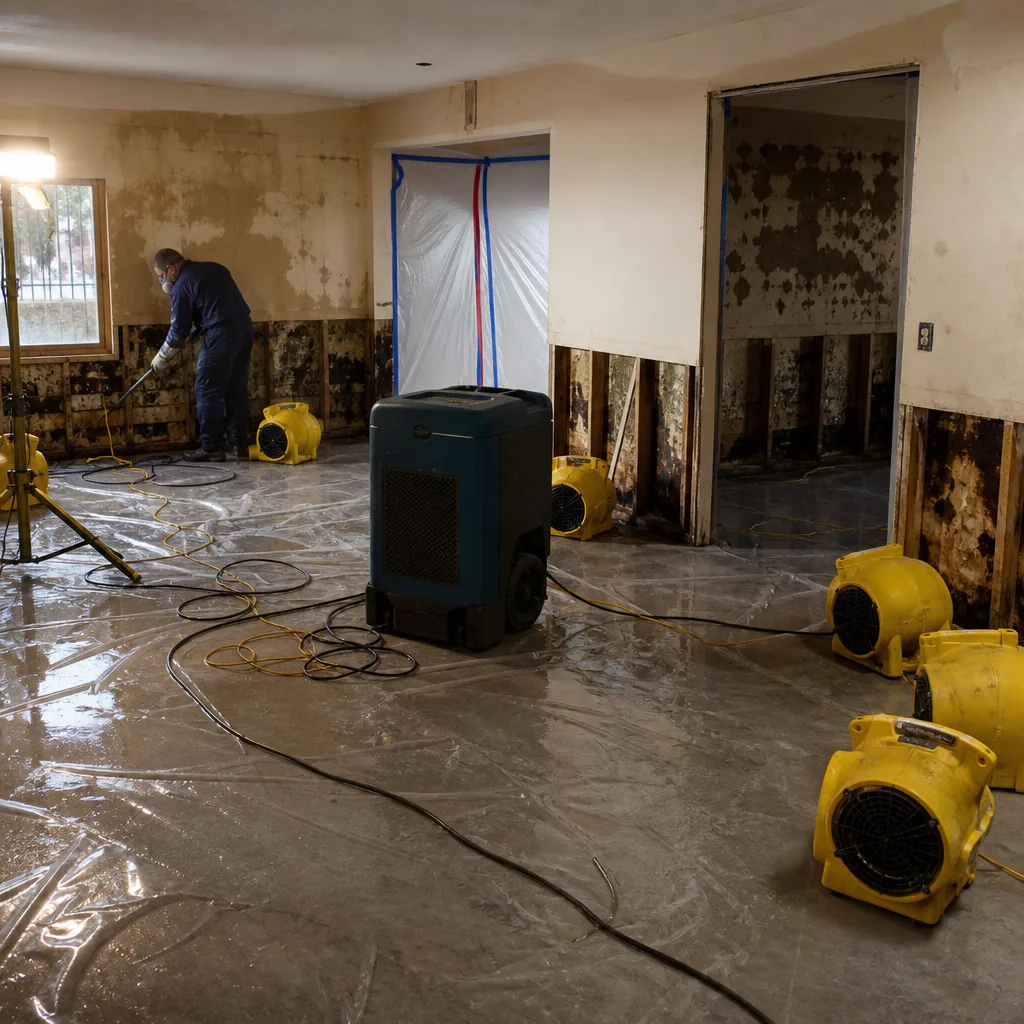
- Which Restoration Work Triggers Mandatory Permits
- California Building Code Chapter 8: What Restorers Must Know
- How to Pull Your Property’s Permit History in La Mesa
- The Resale Risk: Unpermitted Work and California Disclosure Law
- Permits as Insurance Documentation: The Third-Party Record
- What Inspections Actually Cover During Restoration
- Costs and Timelines for Restoration Permits in San Diego County
- How to Verify Your Contractor Is Handling Permits Correctly
 Before
 After
AfterWhich Restoration Work Triggers Mandatory Permits
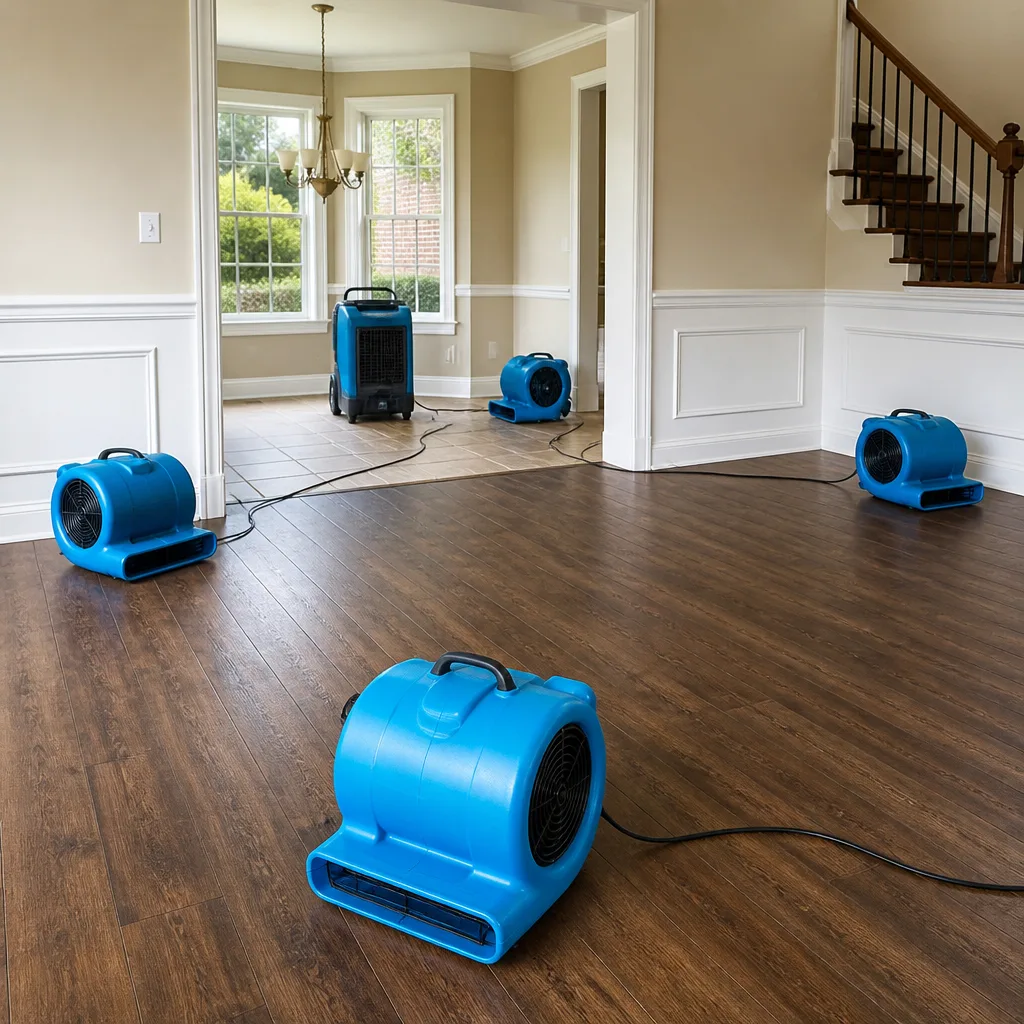
Restoration contractors in California operate under a specific misconception: that emergency mitigation work is exempt from permitting requirements. They’re half right. Water extraction, structural drying with Dri-Eaz or Phoenix dehumidification systems, smoke odor removal, and initial demolition do not require permits. The line crosses when repair work begins.
We’ve documented this distinction across thousands of jobs since 2011. Here is what California law actually requires:
- Structural repairs: Removal and replacement of more than 50% of a roof surface in any 12-month period triggers a full roofing permit. Repair of load-bearing walls, floor joists, or foundation elements requires a structural permit regardless of percentage.
- Electrical replacement: Any new electrical service panel, circuit extension beyond the original footprint, or replacement of wiring damaged by fire or water requires an electrical permit. This includes low-voltage systems reinstalled after damage.
- Plumbing reroutes: Replacement of water supply lines, sewer lines, or relocation of fixtures beyond their original position requires a plumbing permit. In La Mesa, this frequently arises in slab leak scenarios where water damage necessitates rerouting through walls or ceilings.
- HVAC duct replacement: Replacement of more than 50% of ductwork in a system, or any modification to gas-fired heating equipment, requires mechanical permits. Post-fire HVAC replacement is one of the most commonly unpermitted restoration scopes we encounter.
- Square-footage thresholds: In San Diego County, any repair work exceeding $1,000 in valuation on structural, electrical, plumbing, or mechanical systems requires permitting. This threshold catches most legitimate restoration scopes.
- Asbestos/lead abatement: Disturbance of regulated materials requires notification to the San Diego Air Pollution Control District, separate from standard building permits.
The 50% threshold matters particularly for roof work in La Mesa’s wind-prone zones. We’ve seen contractors replace 48% of a roof in one visit and the remaining 52% two weeks later, attempting to evade permitting. This violates California Business and Professions Code Section 7027.1 and exposes the homeowner to penalties.
California Health and Safety Code Section 17958.7 provides limited exemptions for emergency repairs necessary to protect life or safety, but these exemptions are narrow: they cover temporary bracing, emergency electrical disconnection, or water shutoff. They do not cover permanent repairs, and the exemption must be documented with the local building official within 72 hours.
California Building Code Chapter 8: What Restorers Must Know
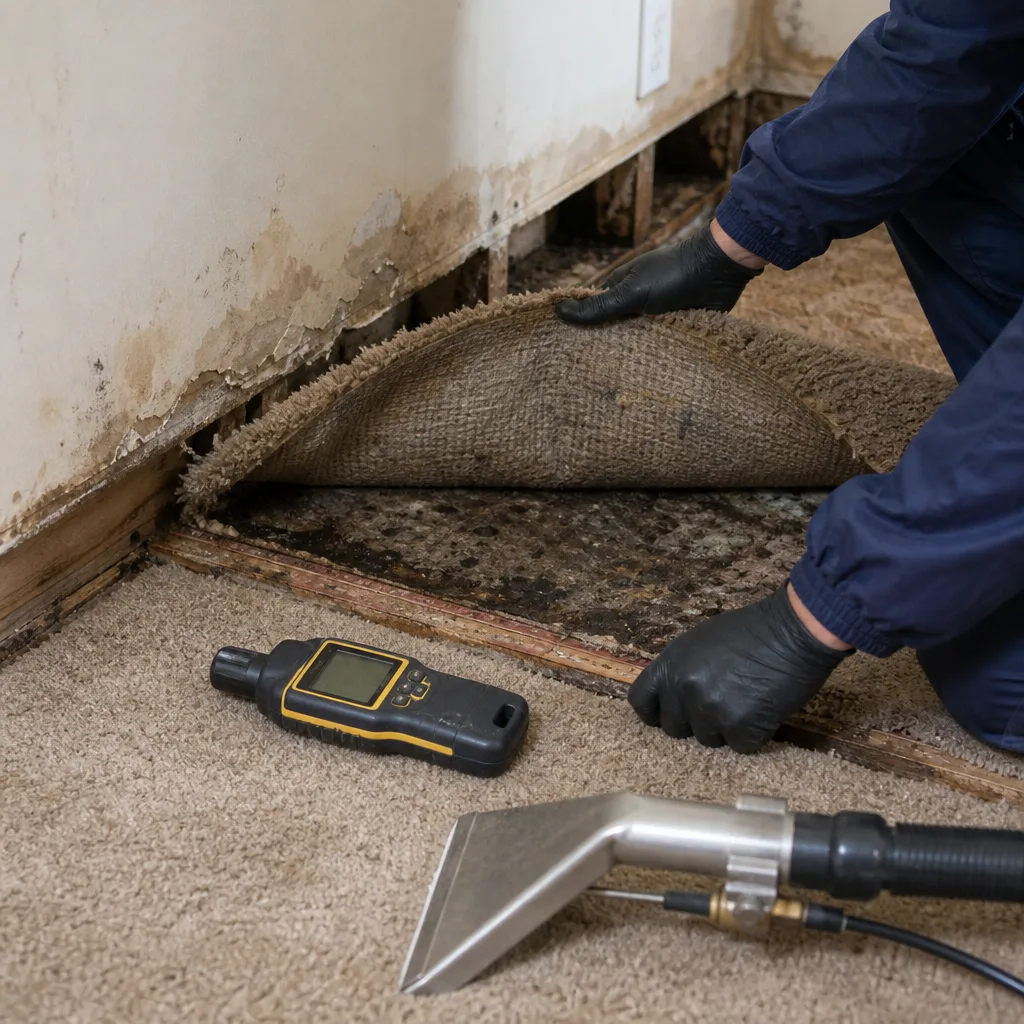
New construction follows one standard. Restoration of existing buildings follows another. The distinction lives in California Building Code Chapter 8, “Requirements for Existing Buildings,” and most restoration contractors have never read it.
CBC Chapter 8 establishes three critical differences that affect how restoration work is inspected and approved:
- Existing materials need not meet current code if they were legal when installed. This “like-for-like” provision means a wall rebuilt after water damage can match original construction methods rather than triggering full modern code compliance. However, the replacement must be “substantially equivalent or better in strength, effectiveness, fire resistance, durability, and safety.” We’ve used this provision to save La Mesa homeowners thousands in unnecessary upgrades while maintaining code compliance.
- Repairs are distinguished from alterations and historic preservation. A repair restores a damaged element to its pre-damage condition. An alteration changes the building’s configuration. The permitting path and inspection requirements differ significantly. Misclassification by a contractor can result in failed inspections and rework.
- Structural repairs to damaged elements must use materials and methods that match original capacity. This sounds simple until you encounter a 1970s La Mesa home with obsolete lumber grades or a fire-damaged structure where original specifications are lost. We document original conditions with photographs and material samples before demolition specifically to satisfy this requirement.
Chapter 8 also references the International Existing Building Code, which California adopts by reference with state amendments. The state amendments tighten requirements for seismic bracing in restoration work, particularly relevant in La Mesa’s proximity to active fault systems.
One specific provision catches homeowners unaware: Section 807.4 requires that repairs to structural elements damaged by “decay, insect damage, or water damage” include identification and mitigation of the underlying cause. A permit inspector will fail a repair if the moisture source hasn’t been addressed. This is why our water damage restoration in La Mesa includes documented moisture source elimination before structural repairs begin, with psychrometric data showing vapor pressure differential reduction to acceptable levels.
Psychrometric data, for homeowners unfamiliar with the term, is the measurement of air temperature, relative humidity, and dew point that proves a structure has been dried to specification. Vapor pressure differential is the force that drives moisture from wet materials into the air; we measure it with calibrated sensors and document the readings to IICRC standards.
How to Pull Your Property’s Permit History in La Mesa
Before hiring any restoration contractor, you should know what work has already been performed on your property and whether it was properly closed-our How to Hire a Damage Restoration Contractor in La Mesa: A Step-by-Step Guide covers this verification process in detail. In La Mesa, this takes ten minutes and costs nothing.
- Navigate to the City of La Mesa Development Services portal at cityoflamesa.us/departments/development-services.
- Select “Permit History Search” or “Property Information Lookup” from the online services menu.
- Enter your property address exactly as it appears on your tax bill. The system will not match partial addresses or common variants.
- Review the permit history table, which lists all permits by type, date, contractor, and status. Look for status indicators: “Issued,” “Final,” “Expired,” or “Revoked.”
- Click any permit number for detailed scope, inspection records, and correction notices.
- For permits older than 1995, contact Development Services directly at (858) 264-2736. Records from this period may be in microfilm or physical files.
What you’re looking for specifically: permits with “Final” status, indicating all required inspections passed and the permit is legally closed. “Expired” permits indicate work was started but never completed to inspection. “Revoked” permits suggest serious compliance issues. Either status creates a cloud on title that must be cleared before resale.
We’ve reviewed permit histories for La Mesa homeowners who discovered three layers of unpermitted restoration work: a 2015 water damage repair with no permit, a 2019 electrical panel replacement performed by an unlicensed contractor, and a 2021 HVAC duct replacement that the homeowner didn’t know required permitting. Each layer compounded the disclosure obligation and remediation cost.
For properties in La Mesa’s older neighborhoods, particularly those near the original 1912 subdivision around La Mesa Boulevard, permit records may reference obsolete addressing systems. Cross-reference with San Diego County Assessor records if initial searches return no results.
The Resale Risk: Unpermitted Work and California Disclosure Law
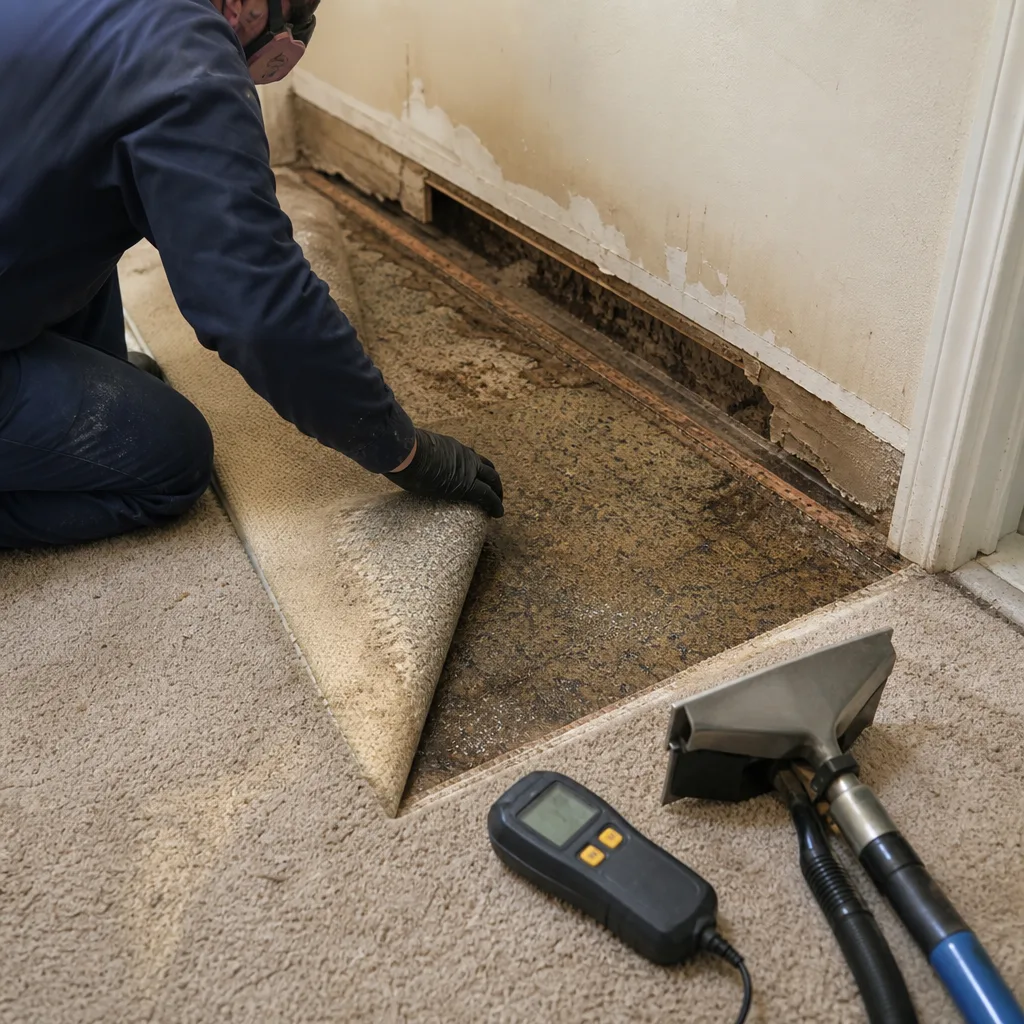
California Civil Code Section 1102 requires sellers to complete a Transfer Disclosure Statement (TDS) disclosing material facts affecting property value or desirability. Item 4A specifically asks about “room additions, structural modifications, or other alterations or repairs made without necessary permits.”
This is not a minor checkbox. California courts have held that unpermitted structural work is a material fact as a matter of law. Sellers who answer “no” or “don’t know” when unpermitted work exists face rescission claims, damages, and attorney fee awards under Civil Code Section 1717.
The disclosure obligation triggers a cascade of consequences:
- Buyer’s inspection contingency: Most purchase contracts in La Mesa’s price range include inspection contingencies allowing buyers to terminate or renegotiate based on inspection findings. Buyer’s inspectors routinely check permit history through the same Development Services portal described above.
- Title insurance exceptions: Title insurers may exclude coverage for losses arising from unpermitted work, particularly if the work creates code violations or enforcement risk.
- Lender requirements: Conventional lenders and FHA/VA programs may require permit verification for properties with recent restoration work. Unpermitted work can delay closing or trigger additional appraisal requirements.
- Retroactive permitting cost: The City of La Mesa charges 150% of standard permit fees for retroactive applications, plus may require destructive inspection to verify concealed work. We’ve seen retroactive permitting cost exceed the original repair.
- Insurance claim denial: If unpermitted restoration work fails and causes subsequent damage, insurers may deny coverage based on the unpermitted status, even if the original damage was covered.
In our experience serving La Mesa since 2011, the resale impact is most severe for work performed between three and seven years prior to sale. Older unpermitted work may escape detection; newer work is often still under contractor warranty and can be corrected. The three-to-seven year window represents maximum exposure.
One specific La Mesa scenario: homes in the rolling terrain below Mt. Helix with hillside foundations. Post-storm drainage failures and subsequent foundation repairs are frequently unpermitted. These properties carry elevated disclosure risk because foundation work is explicitly flagged in the TDS and because hillside construction triggers additional geotechnical inspection requirements.
Permits as Insurance Documentation: The Third-Party Record
Insurance claims and restoration disputes share a common problem: they’re battles over what happened, when, and whether work was performed to standard. A properly closed permit creates an independent third-party record that resolves these questions before they become disputes.
Here’s how the documentation chain works:
- Permit application establishes scope. The application describes work to be performed, materials to be used, and contractor licensing. This becomes a baseline against which subsequent disputes are measured.
- Inspection records verify completion. Each required inspection generates a pass/fail record with inspector identification. Passed inspections constitute prima facie evidence of code compliance.
- Final permit closure creates a permanent record. Closed permits are maintained indefinitely by the City of La Mesa and are discoverable by future buyers, insurers, and courts.
- Permit records supplement contractor documentation. Our written scopes, photo records, and drying logs under The Haven Standard gain additional credibility when cross-referenced to permit inspection records.
We’ve used permit records to support insurance claims where coverage was disputed. In one La Mesa case, an insurer initially denied coverage for secondary mold damage, arguing that original water damage restoration was inadequate. The closed permit record, showing passed moisture inspection and final approval, supported our documented drying logs and reversed the denial.
The inverse is equally true. We’ve reviewed competitor work where absence of permits undermined otherwise valid claims. A written warranty means little if the work it covers was performed illegally.
This is why DryMark Restoration La Mesa home includes permit coordination as standard practice, not an upsell. We file applications, schedule inspections, and ensure final closure as part of our scope. The permit record becomes part of the documentation package we deliver to homeowners and, with authorization, to their insurers.
What Inspections Actually Cover During Restoration
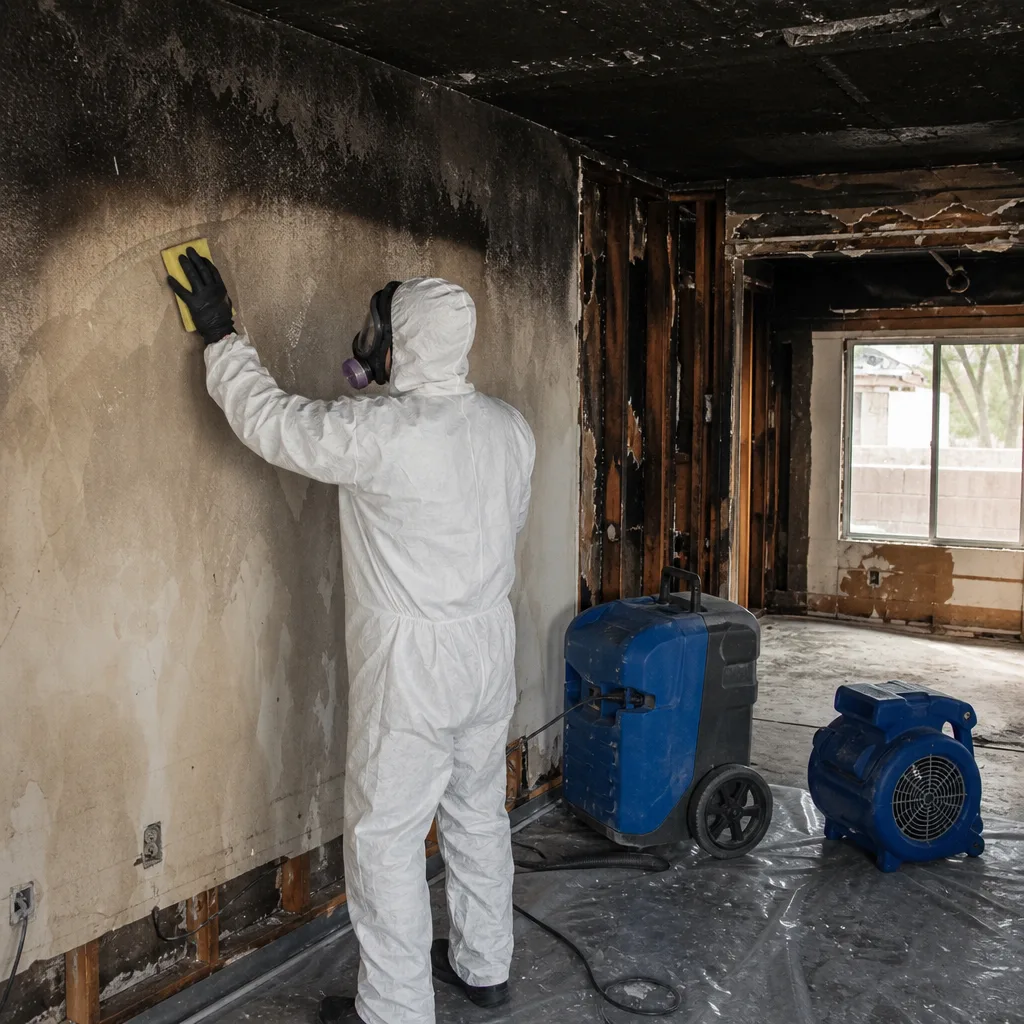
Homeowners often assume inspections are cursory or ceremonial. In our experience, La Mesa building inspectors apply restoration-specific scrutiny that catches genuine defects. Understanding what inspectors verify helps set expectations and avoid failed inspections.
Rough inspections occur before concealment and verify:
- Structural member sizing and connection methods match approved plans
- Electrical wire gauge, circuit protection, and grounding meet NEC standards
- Plumbing materials and joint methods comply with UPC (not IPC, which California does not adopt)
- HVAC duct sizing and combustion air provisions match mechanical plans
- Fireblocking and draftstopping at penetrations
Final inspections verify completion and functionality:
- Finished surfaces and accessible connections match rough inspection approvals
- Electrical devices test operational with correct polarity and grounding
- Plumbing fixtures operate without leaks, with proper venting
- HVAC systems operate within design parameters, with correct refrigerant charge where applicable
- Smoke and carbon monoxide detectors installed per current requirements
Restoration-specific inspection points that frequently fail:
- Moisture content in wood framing above 19% before enclosure (we document below 16% with pin-type meters)
- Insufficient clearance between replacement framing and concrete or masonry (requires treated lumber or membrane)
- Electrical circuits extended without arc-fault protection, required for most living areas since 2014 NEC adoption
- Plumbing fixtures replaced with models exceeding California’s flow-rate limits under WaterSense standards
Failed inspections require correction and re-inspection, typically adding 3-5 business days to project timelines. In La Mesa’s permit jurisdiction, re-inspection fees apply after the second failure on any single inspection type.
Costs and Timelines for Restoration Permits in San Diego County
Permit costs vary by jurisdiction, scope, and valuation. For La Mesa specifically, expect these ranges for typical restoration scenarios:
| Permit Type | Base Fee Range | Plan Check Required? | Typical Timeline |
|---|---|---|---|
| Roof repair/replacement (50%+) | $285-$520 | Yes, if structural modification | 5-10 business days |
| Electrical panel replacement | $185-$340 | No, if like-for-like | 2-5 business days |
| Electrical circuit extension | $95-$175 | No | 1-3 business days |
| Plumbing reroute (water) | $155-$280 | No, if within original footprint | 2-5 business days |
| Plumbing sewer replacement | $195-$360 | Yes | 5-10 business days |
| HVAC duct replacement (50%+) | $165-$295 | No, if like-for-like | 2-5 business days |
| Structural repair (load-bearing) | $245-$485 | Yes, always | 7-14 business days |
| Retroactive permit (any type) | 150% of base fee | Yes, always | 10-20 business days |
These fees exclude third-party services that may be required: structural engineering for load-bearing repairs ($800-$2,500), geotechnical reports for hillside foundation work ($1,200-$3,500), or asbestos survey for pre-1981 buildings ($400-$800).
Timeline estimates assume complete initial applications. Incomplete applications trigger “correction required” notices that reset the review clock. We’ve seen simple electrical permits delayed three weeks because a contractor submitted an illegible single-line diagram.
Expedited review is available in La Mesa for emergency situations threatening life safety, with fees of 150% of base. This requires written justification and inspector verification of the emergency condition.
How to Verify Your Contractor Is Handling Permits Correctly
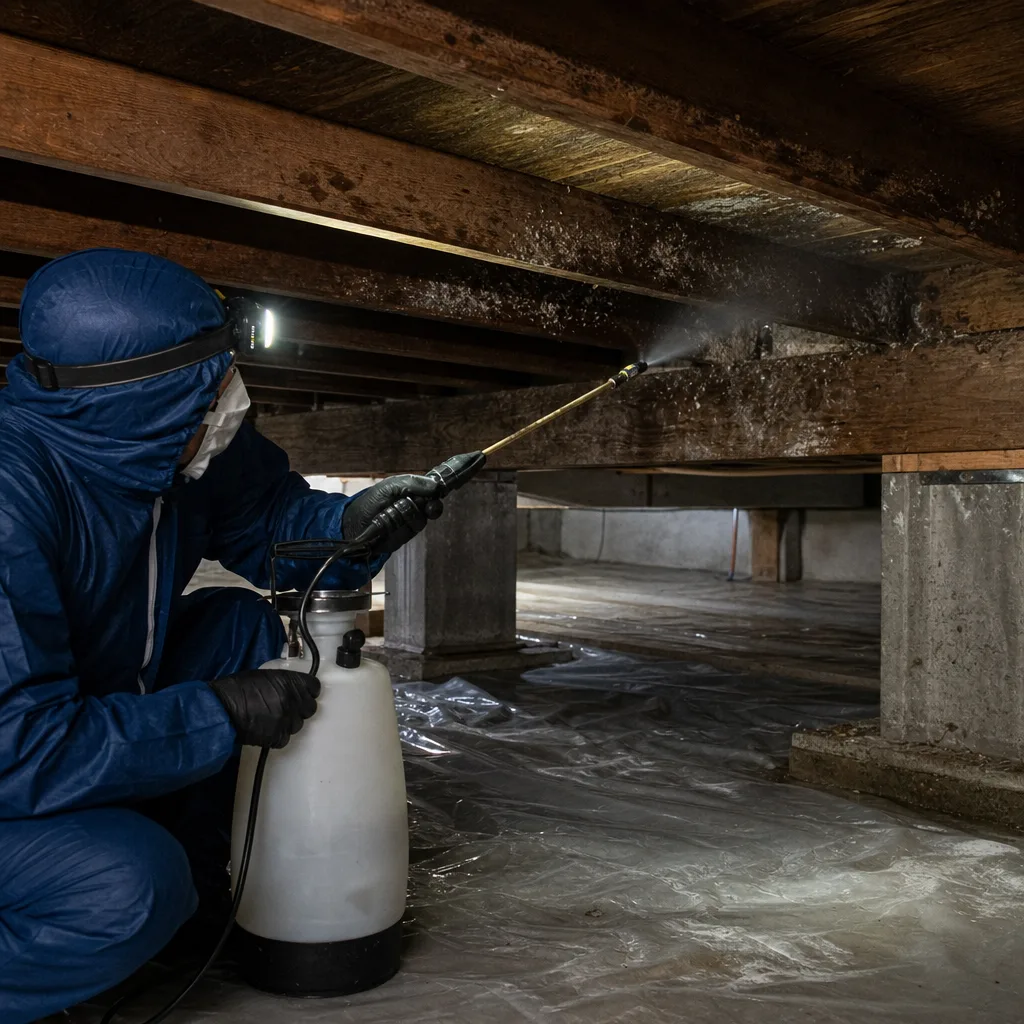
The homeowner bears legal liability for unpermitted work. Verification is not optional. Here’s what we recommend based on twelve years of documentation practice:
- Request the permit application before work begins. A legitimate contractor can produce a stamped “Application Accepted” receipt from the City of La Mesa. If they claim permits “aren’t needed,” verify independently through Development Services.
- Confirm the permit lists the correct scope. Vague descriptions like “repair work” or “as needed” may indicate the contractor intends to perform unpermitted work under a minimal permit umbrella.
- Verify the contractor’s license matches the permit applicant. California requires permits to be pulled by the licensed contractor performing the work. Property owner permits are permitted but place inspection coordination burden on the homeowner.
- Request inspection scheduling confirmation. Each required inspection generates a record. Ask for inspection date confirmations and results within 24 hours of completion.
- Obtain final permit closure documentation. A “Certificate of Occupancy” or “Final Approval” document should be provided. Verify closure independently through the Development Services portal.
- Retain all documentation with your insurance claim file. Permit records, inspection results, and final approvals belong in the same file as your scope, invoices, and photo documentation.
Red flags that warrant immediate concern:
- Contractor requests payment “under the table” for permit-exempt pricing
- Permit application lists a different contractor than your agreement
- Work begins before permit issuance (illegal in California for most scopes)
- Contractor asks you to pull the permit as “owner-builder” while they perform the work
- Inspections are “handled internally” or “not needed for insurance work”
We’ve assumed permit coordination for La Mesa homeowners whose original contractors abandoned permits mid-process. This typically requires re-engaging the original permit or filing a new application with revised contractor identification, both of which add cost and delay.
Common Mistakes to Avoid
- Assuming insurance-covered work is permit-exempt. Insurance coverage and building code compliance are separate legal frameworks. Your insurer may pay for work that violates code, leaving you with the violation.
- Accepting verbal permit assurances. We’ve reviewed files where contractors claimed permits were “filed” or “in process” for months. The Development Services portal provides real-time status; use it.
- Neglecting permit history before purchasing. In La Mesa’s competitive market, buyers waive contingencies to strengthen offers. Waiving inspection without verifying permit history is a specific risk in older neighborhoods with layered restoration history.
- Failing to distinguish mitigation from repair. Water extraction and drying with XPOWER air movers and B-Air dehumidifiers doesn’t require permits. Rebuilding saturated drywall, replacing subfloor, or reinstalling cabinets does. Contractors who blur this distinction often perform unpermitted repairs.
- Ignoring expired permits from prior owners. An expired permit on your property creates a cloud that affects your ownership regardless of who caused it. Address these proactively, not at resale.
- Permitting only visible work. Concealed electrical, plumbing, or structural repairs are where unpermitted work most commonly occurs and where failure is most consequential. Verify scope completeness against your approved permit application.
- Relying on contractor warranties instead of permit records. A contractor warranty expires with the business. Permit records are maintained by the City of La Mesa indefinitely.
When to Call a Professional
Call a professional when your restoration scope includes structural, electrical, plumbing, or mechanical work; when you’re reviewing a contractor’s permit status and need independent verification; when you’ve discovered unpermitted work on a property you own or intend to purchase; or when an insurance claim depends on documented code compliance. Our DIY vs Professional Damage Restoration: The La Mesa Homeowner’s Decision Guide can help you decide which path fits your situation.
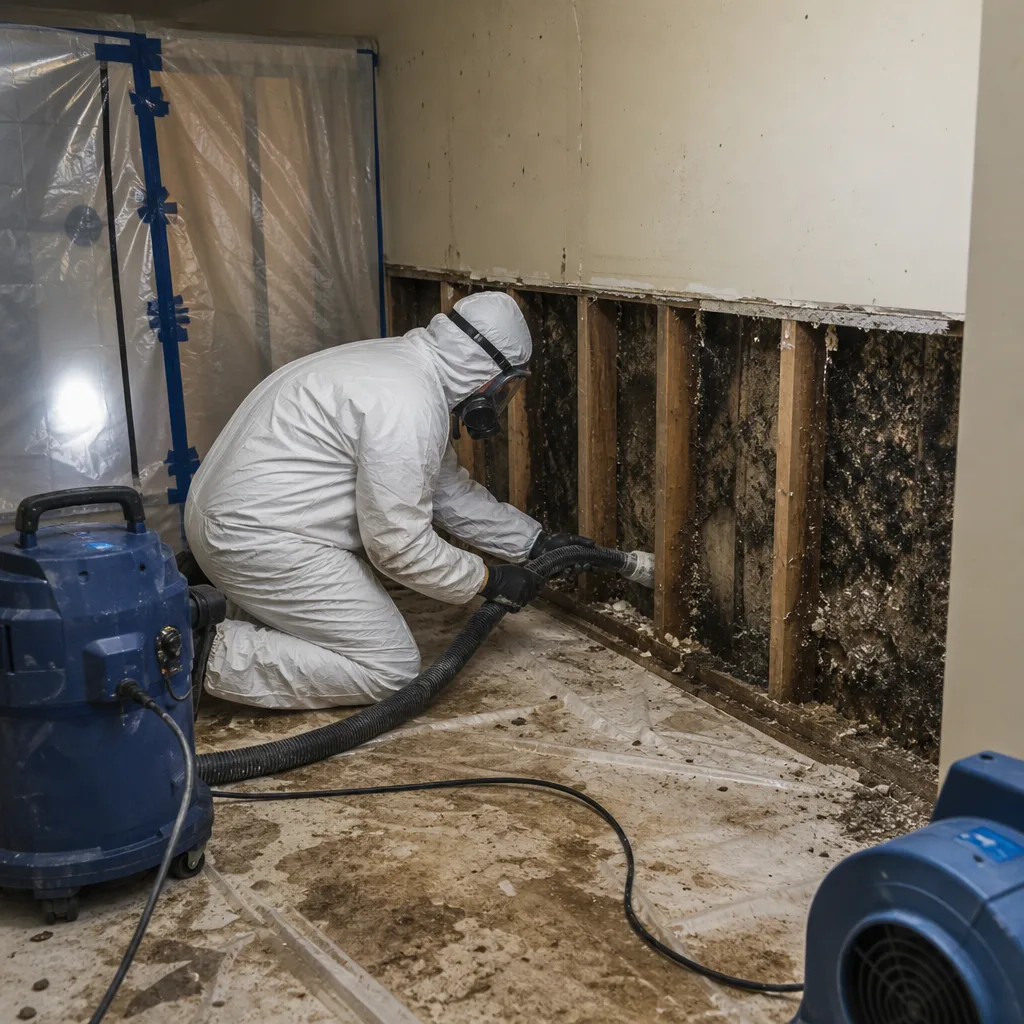
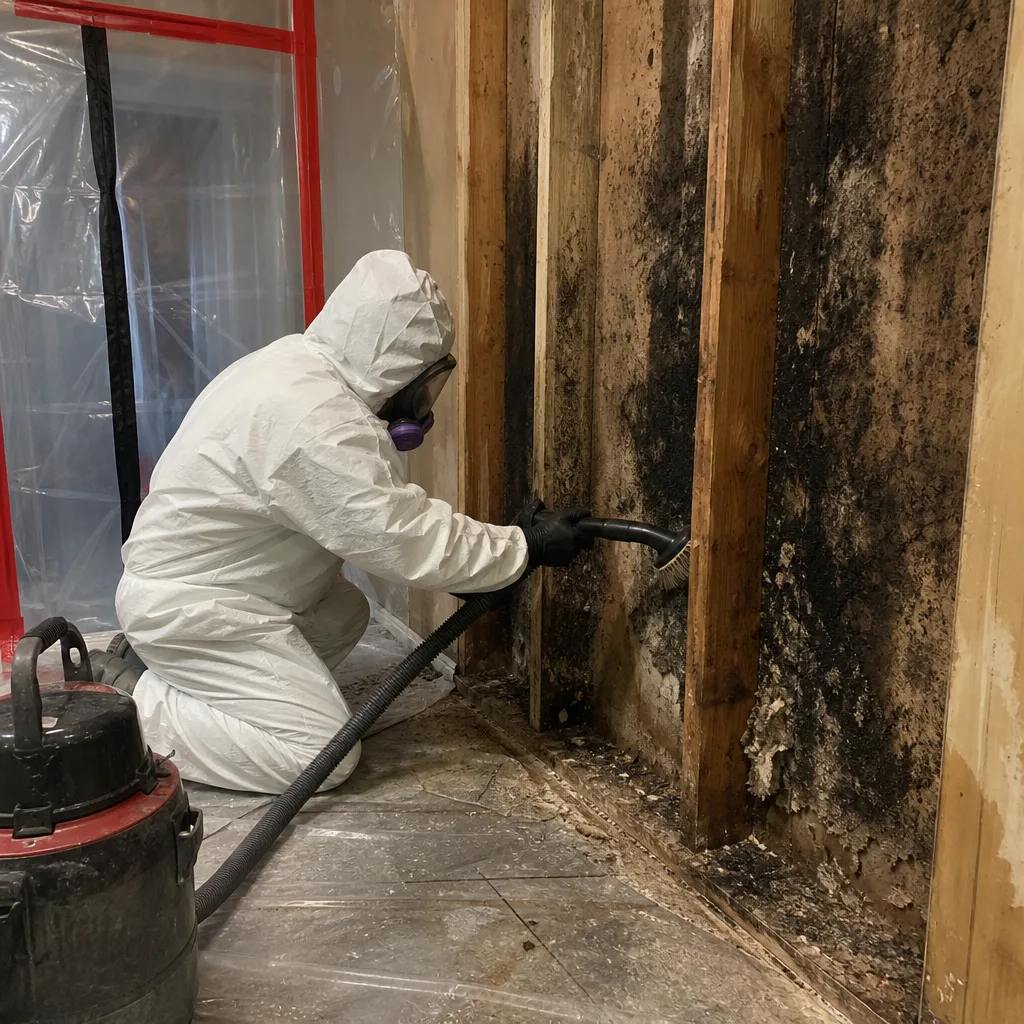
Fire & smoke damage restoration in La Mesa almost always triggers multi-permit requirements due to electrical, HVAC, and structural damage patterns. Mold remediation in La Mesa may require permit coordination when concealed remediation disturbs structural or mechanical systems.
DryMark Restoration La Mesa offers free estimates in La Mesa. We pull permits, coordinate inspections, and deliver closed permit records as standard documentation under The Haven Standard. Call (858) 264-2736.
Frequently Asked Questions
Insurance companies do not universally require permits, but most reserve the right to deny subsequent claims arising from unpermitted or code-noncompliant work. We document permit compliance on every job to prevent this exposure. Call (858) 264-2736 for a free estimate with written pricing before work begins.
Search the City of La Mesa Development Services portal using your exact property address. Review permit status for “Final” closure. For work performed before 1995, contact Development Services directly at (858) 264-2736. We perform complimentary permit history reviews during our initial estimates.
You must disclose unpermitted work on the California Transfer Disclosure Statement. Failure to disclose exposes you to rescission claims, damages, and attorney fees. Buyers may terminate the purchase, demand price reduction, or require retroactive permitting at your expense. Properly closed permits eliminate this risk entirely.
Emergency exemptions under Health and Safety Code Section 17958.7 are limited to temporary life-safety measures: bracing, utility disconnection, or temporary weather protection. Permanent repairs require permits. We’ve seen contractors mischaracterize full rebuilds as “emergency” work; this exposes homeowners to liability. Call (858) 264-2736 for emergency response that includes proper permitting.
Permit records are maintained indefinitely. Digital records from approximately 1995 forward are searchable online. Older records exist in physical archives. This permanence is precisely why permits create reliable third-party documentation for insurance and resale purposes.
The property owner bears legal responsibility for code violations on their property, including unpermitted work. Contractors face separate licensing discipline, but municipal enforcement actions, fines, and compliance orders issue to the owner. We assume permit responsibility contractually and deliver closed permits as documentation under Haven Standard, Clause 1.
The Bottom Line
California restoration permits are not bureaucratic obstacles; they’re documentation tools that protect your insurance claim, your property value, and your legal exposure. The distinction between permit-exempt mitigation and permit-required repair is where most homeowners and contractors stumble. Verify permit history before you buy, demand permit documentation before you pay, and retain closed permit records with your property files indefinitely. In La Mesa’s market, where properties trade at significant price points and buyers research diligently, permit compliance is a measurable asset. The cost of proper permitting is predictable; the cost of its absence is not.
Written by Alicia Brennan, Owner at DryMark Restoration La Mesa, serving La Mesa since 2011.