
Last updated September 23, 2026
Free visual inspection and a written scope of work before any mitigation begins - photos, moisture readings, and drying logs go in your claim file
The scope we write is the scope we bill. Anything new gets shown to you, in writing, before we touch it.
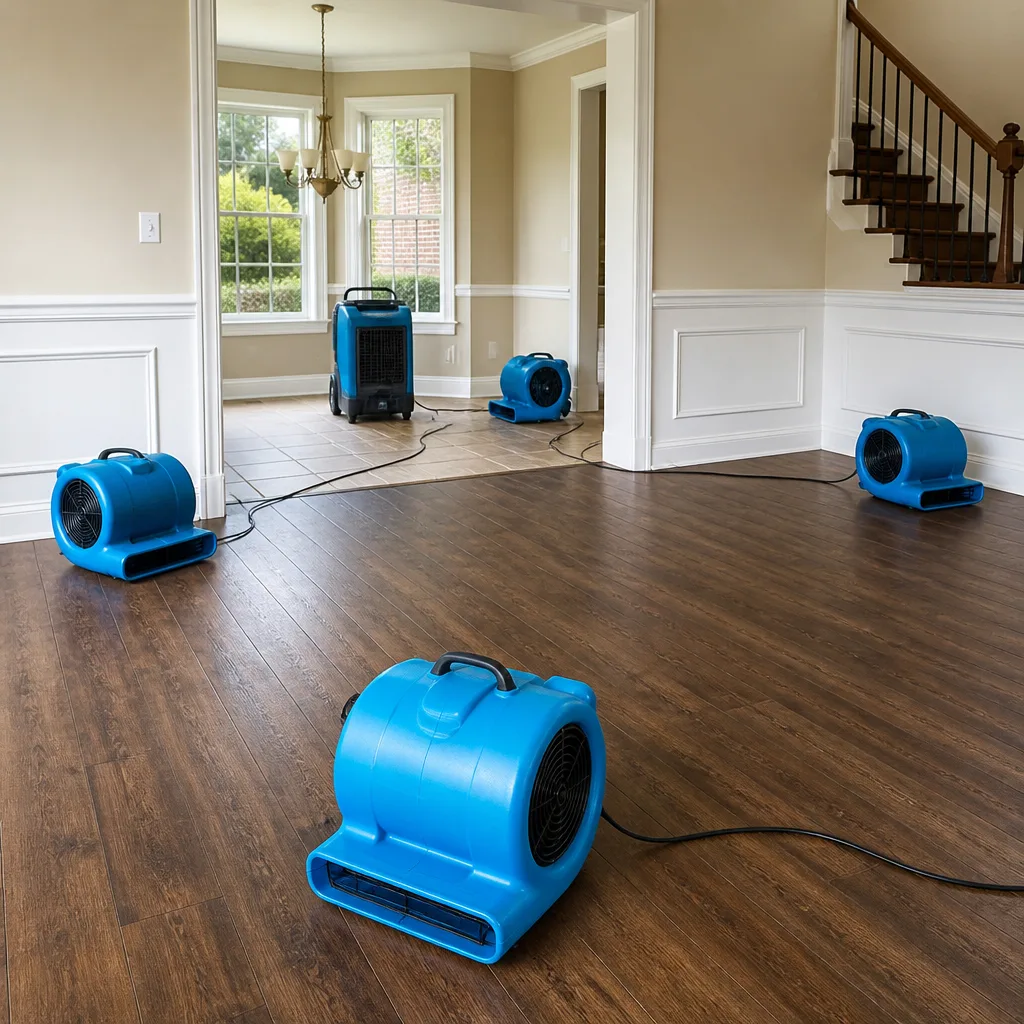
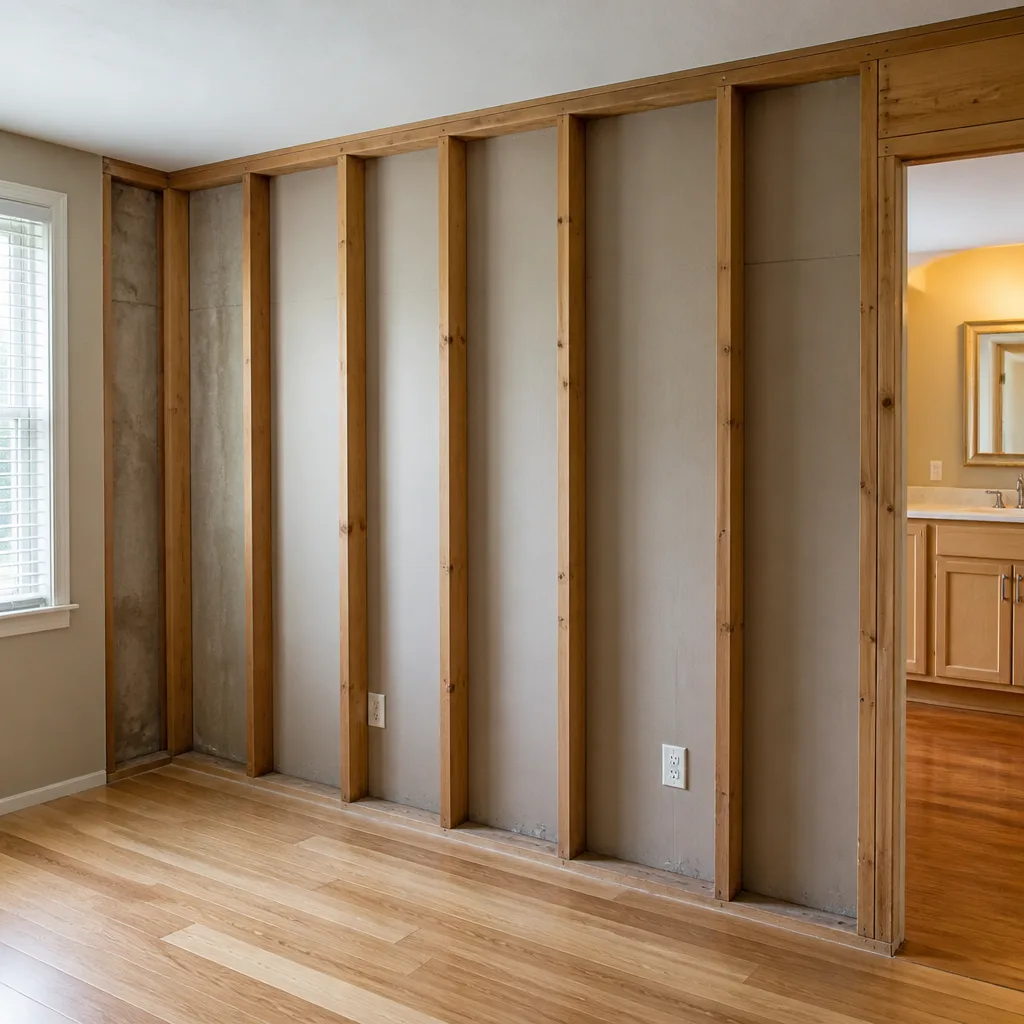
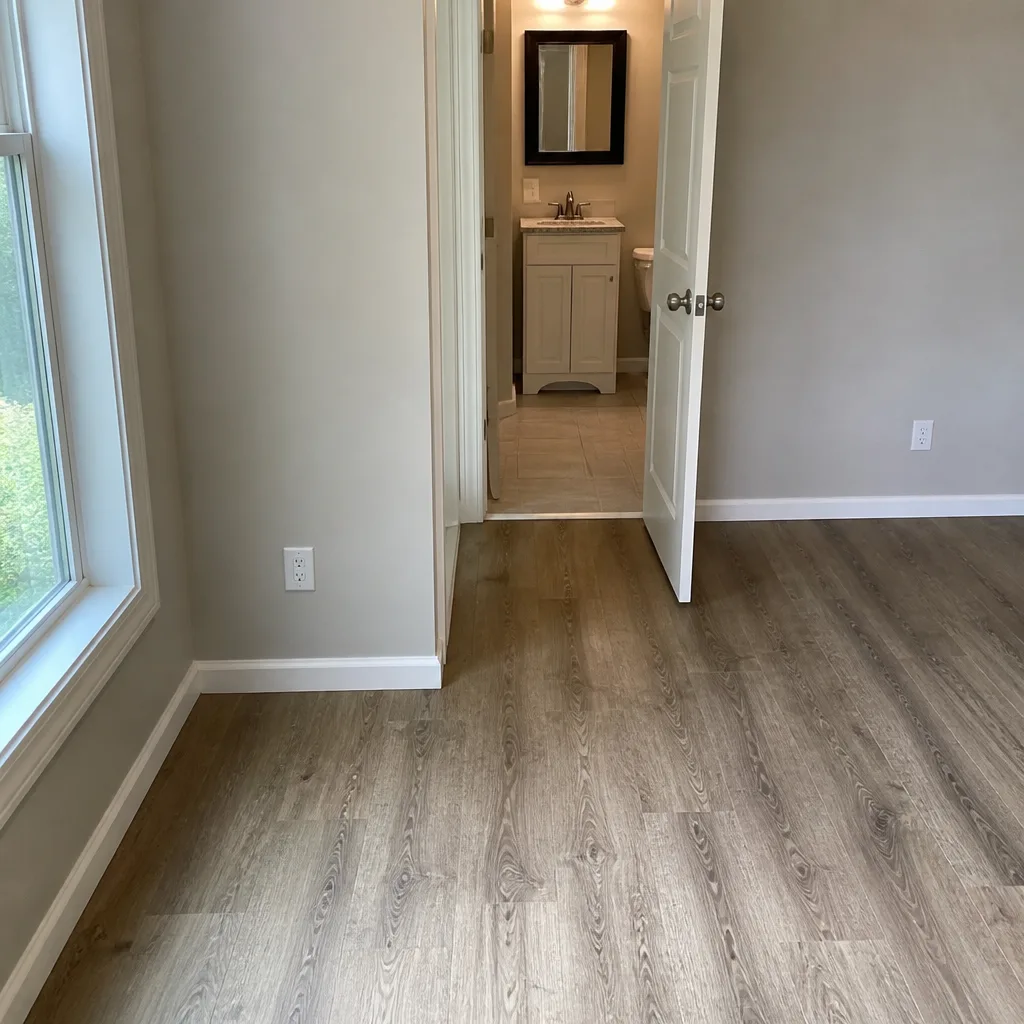

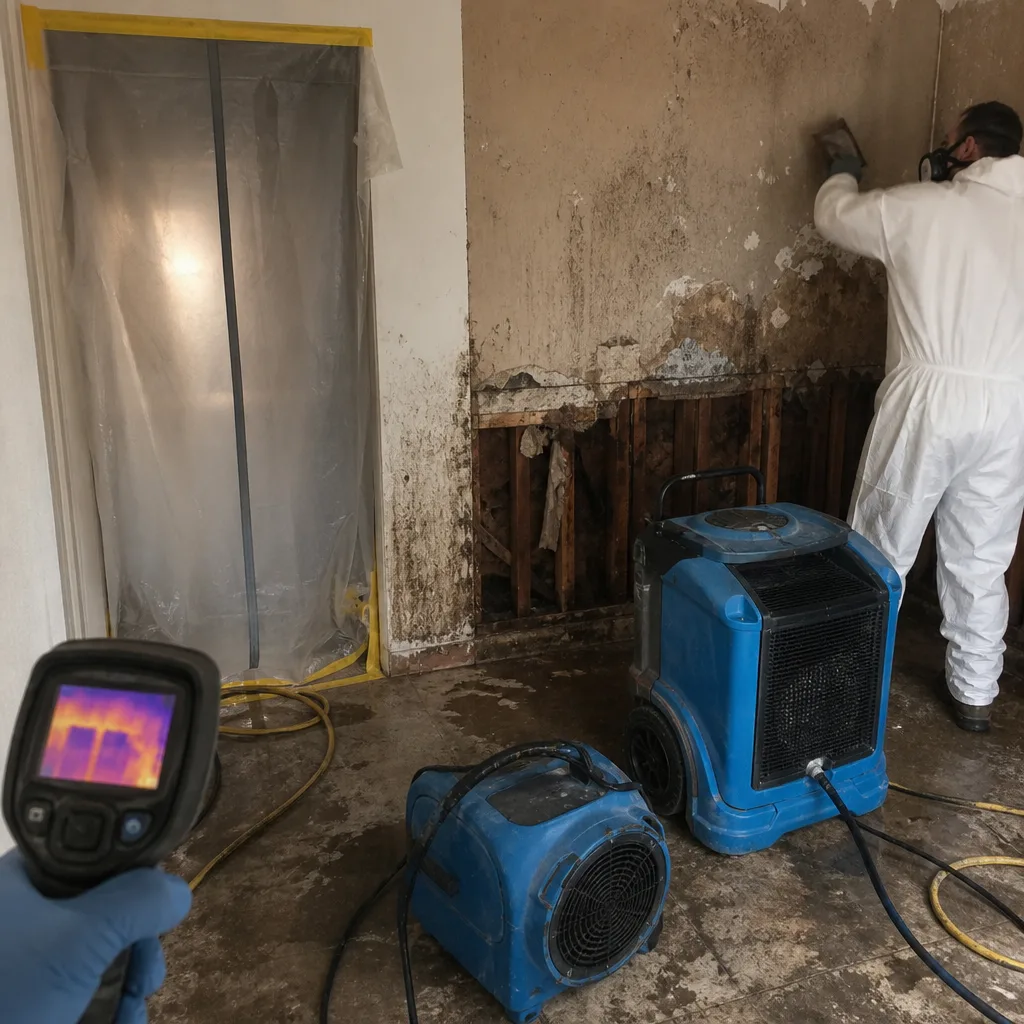 Before
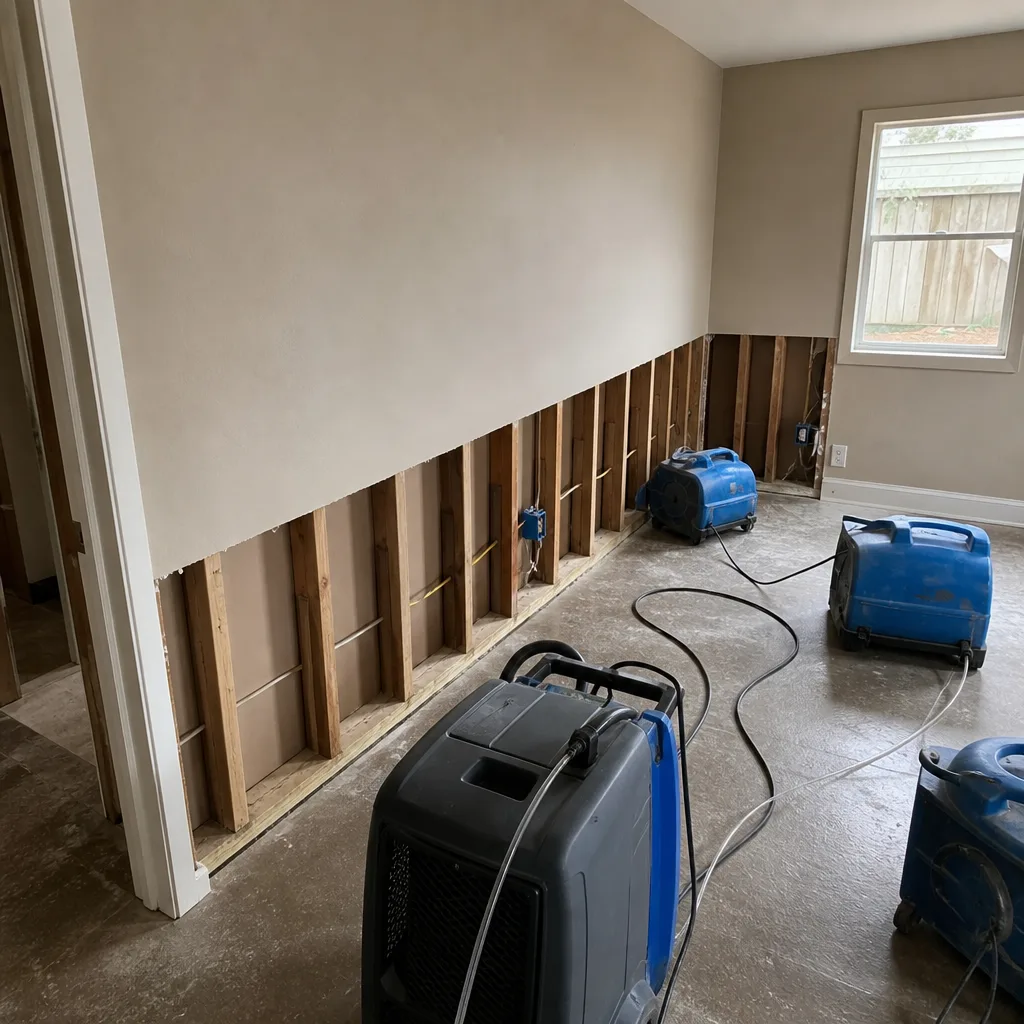 After
After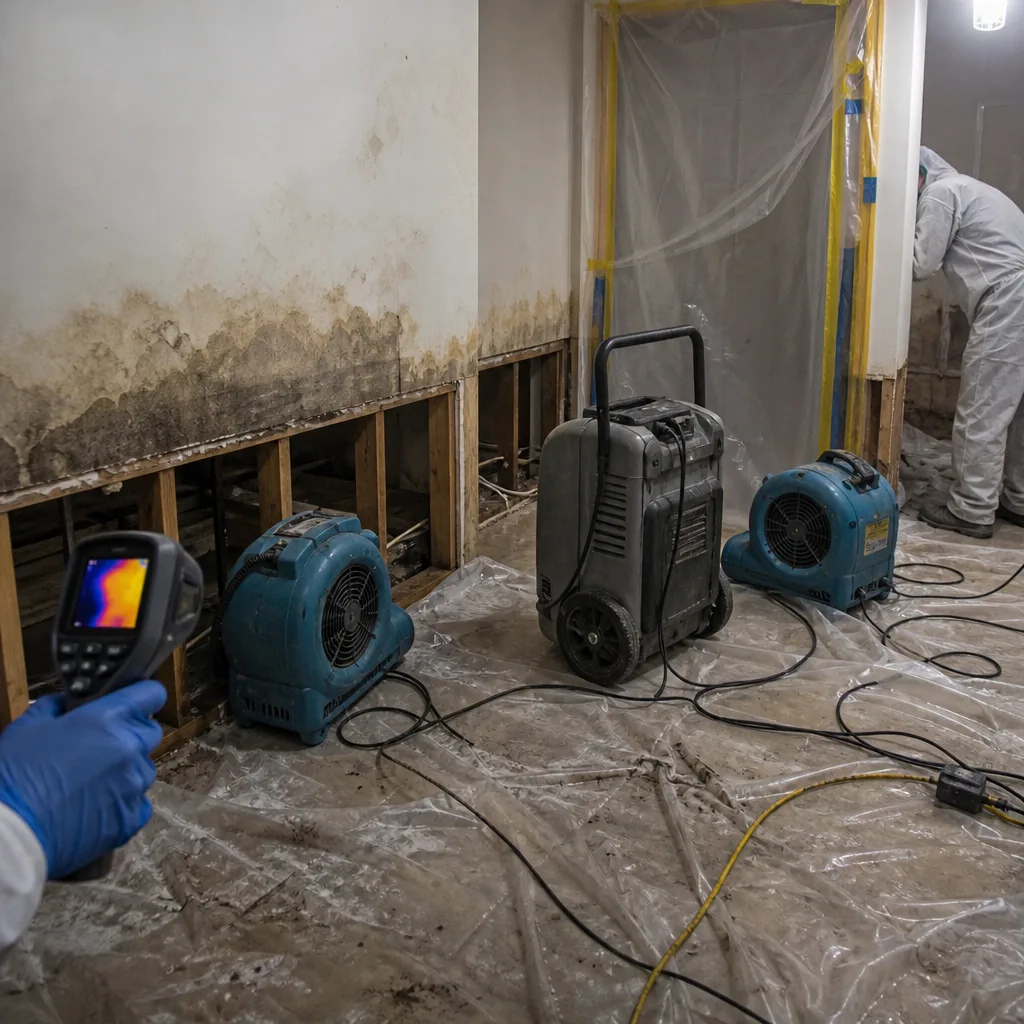 Before
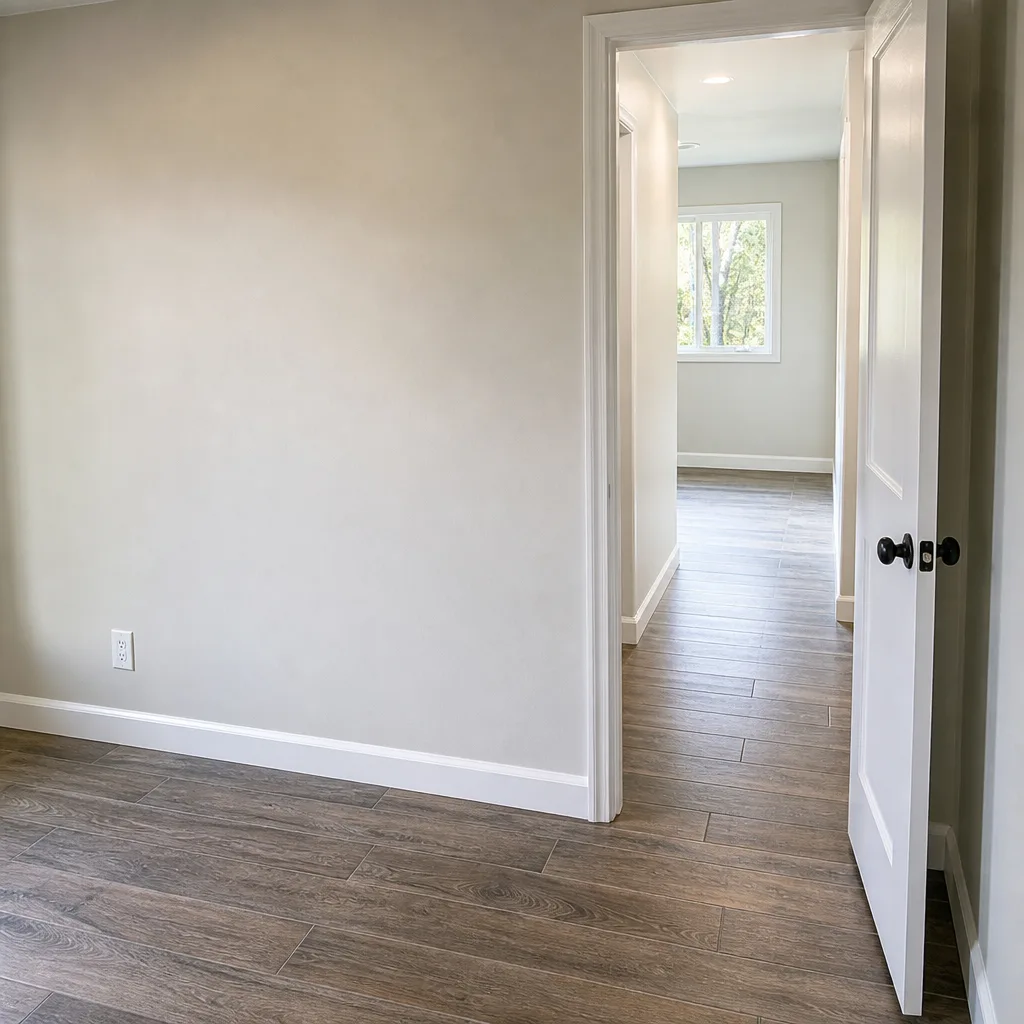 After
After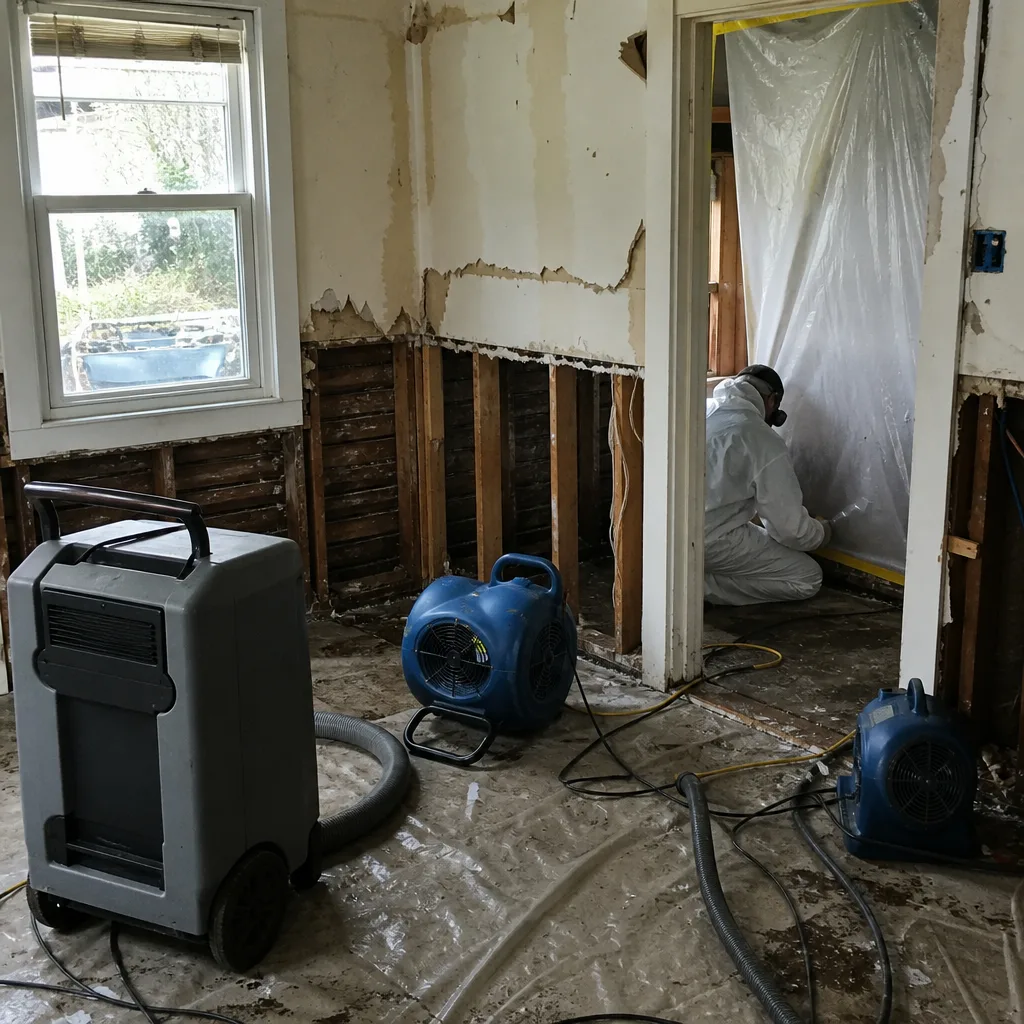 Before
 After
AfterHow to Hire a Damage Restoration Contractor in La Mesa: A Step-by-Step Guide
We’ve reviewed thousands of restoration invoices that insurers denied, and the pattern is stark: the claims that get paid in full have written, line-itemized scopes signed before work starts. The ones that stall or settle for pennies have verbal agreements, handwritten notes, or scopes produced after demolition is already complete. In La Mesa, where older homes in neighborhoods like Mt. Helix and the Village mix with newer construction near Grossmont Center, the contractor you choose matters less than the documentation discipline they bring to your job. This guide shows you exactly how to screen for that discipline before you sign anything, and you can explore more guides & resources on our blog.
Quick Answer
To hire a damage restoration contractor in La Mesa, request five documents before signing: a written scope of work, an itemized estimate, proof of a valid California C-10 or relevant specialty license, a certificate of insurance naming you as additional insured, and a clear explanation of payment structure. Verify the license through the CSLB lookup, ask to see sample drying logs and photo reports, and reject any contractor who begins work without a signed, written price.
Table of Contents
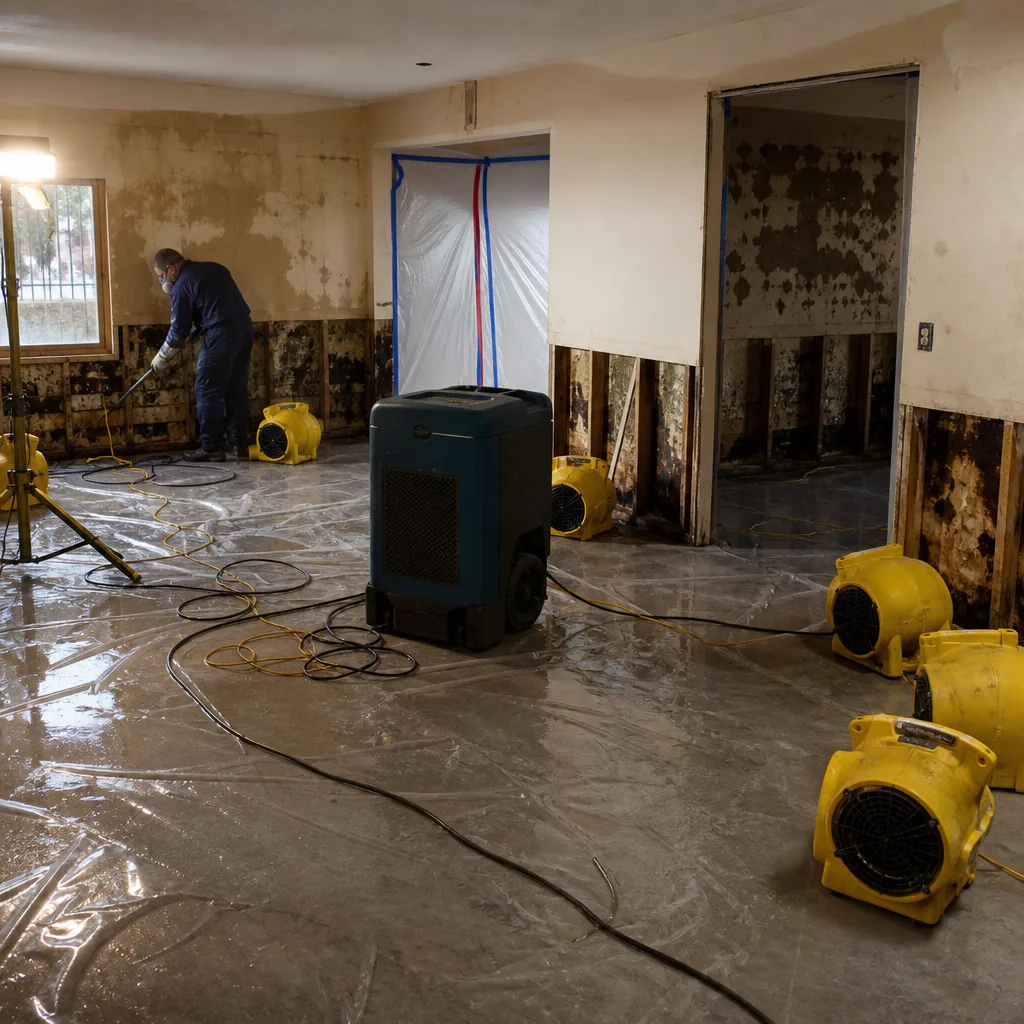
- Why Documentation Beats Speed Every Time
- The Five Documents to Request Before Signing Anything
- How to Verify License and Insurance in Real Time
- Restoration Contractor vs. General Contractor: Know the Difference
- Interview Questions That Reveal Documentation Discipline
- Red Flags: Post-Storm Contractor Surges in San Diego County
- La Mesa-Specific Considerations: Climate, Codes, and Neighborhoods
- Common Mistakes to Avoid
- When to Call a Professional
- Frequently Asked Questions
- The Bottom Line
 Before
 After
AfterWhy Documentation Beats Speed Every Time
A contractor who starts demolition before producing a written scope has made it nearly impossible for your insurer to validate the work, and nearly impossible for you to dispute the invoice if the number grows. We’ve seen this sequence dozens of times in La Mesa: water damage from a failed dishwasher supply line, a crew arrives within an hour, tears out cabinets and drywall, then presents a $14,000 bill with categories like “emergency services” and “miscellaneous demolition.” The insurer requests the pre-work scope. There isn’t one. The claim stalls for six weeks while the homeowner pays out of pocket to stop mold growth.
Speed matters in mitigation. Water moves through baseboards at roughly one inch per hour along a wall cavity, and in La Mesa’s mild climate, that moisture can sustain mold colonies within 48 to 72 hours. But speed without documentation creates a second disaster: the financial one. The contractor who documents first and works second finishes the job faster in calendar days because there’s no dispute, no reinspection, no request for “additional information” from an adjuster who can’t verify what was done or why.
Here’s what proper documentation looks like in practice:
- A written scope of work with room-by-room line items, including square footage of affected materials and classification of water damage by IICRC Category (1, 2, or 3)
- An itemized estimate with unit costs for labor, equipment, and materials, not lump-sum categories
- A daily drying log tracking temperature, relative humidity, and specific humidity readings, with equipment placement maps
- Photo documentation time-stamped and geo-tagged, showing condition before work, during each phase, and at completion
- A signed warranty or guarantee with specific terms, not a verbal “we stand behind our work”
At DryMark Restoration La Mesa, we built our process around the documentation gap that costs homeowners their claims. Every job starts with Haven Standard, Clause 1: a written price before work begins, every time, with no exceptions. The crew doesn’t unload equipment until the homeowner has a signed, line-itemized scope in hand.
The Five Documents to Request Before Signing Anything
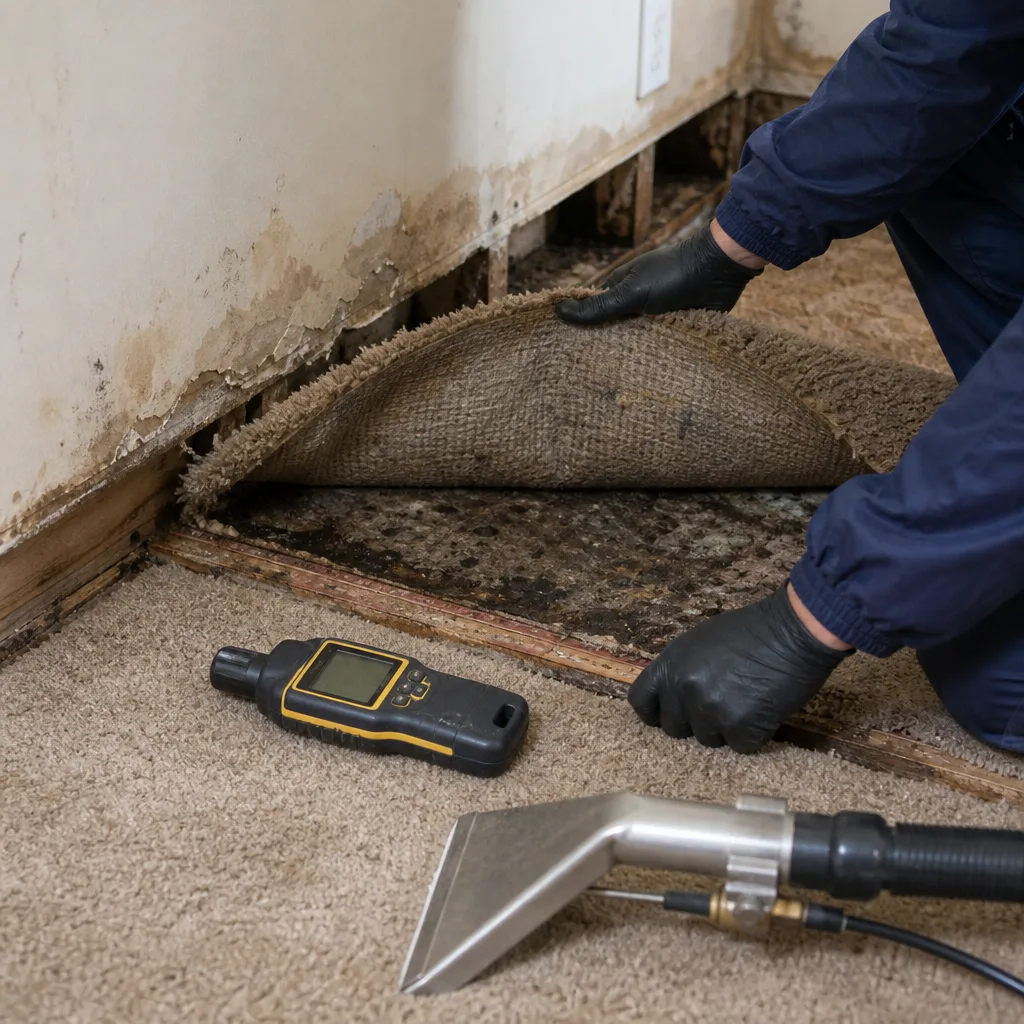
These five documents separate contractors who understand insurance from those who understand only demolition. Request them in this order, and don’t proceed to the next step until you have the current one in hand.
1. Written Scope of Work
This document describes what will be done, where, and in what sequence. It should identify affected rooms by name, list materials to be removed or dried in place, specify equipment type and count, and state drying targets in measurable terms. For water damage in a La Mesa ranch home built in the 1960s, following a Water Damage Restoration Maintenance Checklist for La Mesa Homeowners, the scope might read: “Living room: remove 12 linear feet of baseboard along north wall; install 2 Dri-Eaz LGR 7000XLi dehumidifiers and 4 Phoenix AirMax axial air movers; monitor daily until moisture content of oak hardwood flooring reads below 12% on pin-type meter.”
Vague scopes use phrases like “dry out affected areas” or “as needed.” Specific scopes name square footage, equipment models, and target readings. The specific scope is what an adjuster can approve; the vague scope is what generates supplement requests and payment delays.
2. Itemized Estimate
The estimate should break down costs by line item, not by broad category. You should see separate lines for:
- Emergency water extraction (per square foot or per hour)
- Equipment rental (per day, per machine, with model specified)
- Demolition (per square foot, with material type noted)
- Debris removal and disposal
- Antimicrobial application (if Category 2 or 3 water)
- Daily monitoring and moisture readings
- Content manipulation or pack-out (if applicable)
Lump-sum estimates with categories like “mitigation: $8,500” give you no basis to compare contractors or to verify that charges align with work performed. They also make it impossible to spot scope creep once the crew is inside your home.
3. Proof of Valid California License
For water damage restoration, fire damage restoration, and reconstruction, the contractor must hold a C-10 Electrical license, a C-36 Plumbing license, or a B General Building contractor license, depending on the work scope. Mold remediation in California requires specific training and, in many jurisdictions, a separate mold assessment and remediation protocol. Ask to see the pocket license or a printed CSLB license verification page. We’ll cover real-time verification in the next section.
4. Certificate of Insurance Naming You as Additional Insured
The certificate should show general liability coverage of at least $1,000,000 per occurrence and workers’ compensation coverage if the contractor has employees. Crucially, it should name you as additional insured for the specific project, not just show that the contractor carries insurance generally. This matters because a contractor’s policy might exclude your specific type of loss, or the contractor might have let coverage lapse after the certificate was printed.
5. Clear Explanation of Payment Structure
Understand whether you’ll pay directly and seek reimbursement from your insurer, or whether the contractor will bill your insurer directly through an assignment of benefits. Each structure has implications:
- Direct pay: You control the relationship with your insurer, but you need cash or credit available upfront. The contractor has incentive to document thoroughly because you’re the payer.
- Assignment of benefits: The contractor deals directly with your insurer, which reduces your cash outlay but can create conflicts if the insurer disputes charges. Some insurers in California have limited or prohibited AOB agreements for certain claim types.
Get this explanation in writing, with specific terms about your responsibility if the insurer denies all or part of the claim.
How to Verify License and Insurance in Real Time
California makes license verification straightforward, but most homeowners don’t know the tool exists or what to look for once they’re there. Here’s the exact process.
Step-by-Step CSLB Verification
- Go to the Contractors State License Board website at cslb.ca.gov and click “Check a License.”
- Enter the contractor’s license number or business name. For restoration work in La Mesa, you want to see an active license, not “suspended,” “expired,” or “cancelled.”
- Click the license number to view the detail page. Check that the business name matches what the contractor gave you. We’ve seen out-of-area companies use similar names to established local firms.
- Verify the license classification. For water damage restoration involving electrical equipment placement, look for C-10. For reconstruction involving structural repair, look for B General Building. Some restoration companies hold multiple classifications.
- Check the “Personnel” section to confirm the contractor listed on your estimate is the same person associated with the license.
- Review “Bond History” to confirm a current $25,000 contractor’s bond is in place.
- Check “Complaint Disclosure” for any pending or resolved complaints. One or two complaints over many years is normal; a pattern of complaints about the same issue is a signal.
Insurance Verification
Ask the contractor to have their insurance agent email you a certificate of insurance directly, rather than accepting a PDF the contractor provides. This eliminates the risk of altered documents. The certificate should show:
- Policy effective dates that include your project period
- General liability with per-occurrence and aggregate limits
- Workers’ compensation (if the contractor has employees; in California, this is mandatory for companies with employees)
- Your name and project address in the “additional insured” box
If the contractor hesitates or suggests “we’ll get that to you after we start,” that’s a stop sign. Haven Standard, Clause 1 exists precisely to prevent this sequence: work starts, documentation follows, disputes arise.
Restoration Contractor vs. General Contractor: Know the Difference
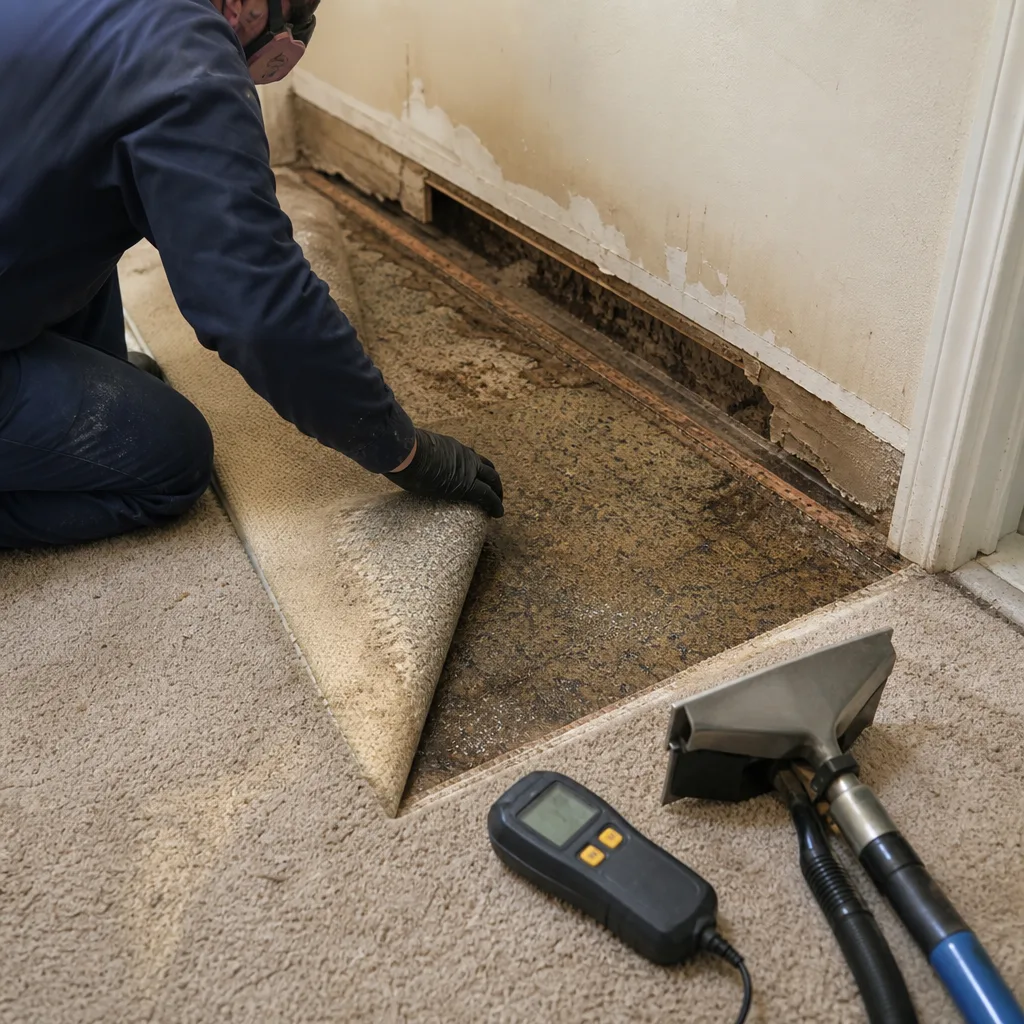
This distinction creates liability gaps that homeowners in La Mesa discover too late, as detailed in The Complete Guide to Damage Restoration in La Mesa. A restoration contractor mitigates damage: extracts water, dries structures, removes smoke residue, remediates mold, cleans and sanitizes. A general contractor rebuilds: replaces drywall, installs flooring, reconstructs kitchens, repaints. Some companies do both; many do not. The problem arises when a restoration contractor begins reconstruction work without proper licensing, or when a general contractor attempts mitigation without the equipment and training to dry structures to completion.
Here’s the practical risk: water damage mitigation in a La Mesa home near Lake Murray might require three days of controlled drying with LGR dehumidifiers and air movers, followed by moisture readings confirming materials have reached equilibrium. A general contractor without restoration training might skip the drying phase, install new drywall over damp framing, and create a mold problem that manifests six months later. By then, the original water claim is closed, and the mold remediation becomes a new, potentially uncovered loss.
Conversely, a restoration contractor who holds only a C-61/D-49 (specialty in structural repair, limited) cannot legally perform electrical or plumbing reconstruction that may be required after significant water or fire damage. We’ve seen homeowners stuck with two separate contractors, each blaming the other for delays, because no one clarified licensing scope at the outset.
Before hiring, ask: “Will you handle both mitigation and reconstruction, and what license classifications cover each phase?” If the answer involves subcontracting, request the subcontractors’ license numbers and verify them independently. Your water damage restoration in La Mesa should be fully documented from extraction through final walkthrough, with clear handoffs between phases if multiple contractors are involved.
Interview Questions That Reveal Documentation Discipline
These questions expose whether a contractor’s documentation claims are operational reality or marketing language. Ask them during your initial call or site visit, and note which answers you receive in writing versus verbally.
“Can you show me a sample drying log from a completed job?”
A contractor with genuine documentation discipline will have this ready. The log should show daily readings of temperature, relative humidity, and specific humidity, with equipment counts and placement noted. It should also show the psychrometric data that determines when drying is complete, not just when equipment is removed. Psychrometric data, in plain terms, is the measurement of how much moisture air can hold at a given temperature, which tells a technician whether the environment will continue drawing moisture from wet materials or has reached equilibrium.
If the contractor says “we keep those internal” or “the insurance company gets them,” that’s a red flag. The drying log is your documentation that the job was done to standard, not just to invoice.
“Can I see a sample daily photo report?”
The report should include time-stamped, geo-tagged photos showing condition at arrival, work in progress, and condition at departure for each day. In our experience on La Mesa jobs, photo reports with fewer than 15 images per visit for a standard residential water loss are likely incomplete. The report should be delivered to you, not just stored in the contractor’s system.
“What happens if moisture readings don’t meet targets by day three?”
This question reveals whether the contractor has a protocol or just hopes for the best. The correct answer involves: adding or repositioning equipment, checking for hidden moisture pockets with thermal imaging or penetrating meters, evaluating whether building materials are salvageable or require removal, and documenting the decision with photos and a supplemental scope. “We just keep drying until it’s dry” is not a protocol. “We inspect for vapor pressure differentials between the wall cavity and ambient air, and if the differential indicates trapped moisture, we open the cavity and document the finding” is a protocol.
“Will I receive a written scope before any work begins, and will it be itemized?”
The answer should be immediate and unqualified. At DryMark Restoration La Mesa, Haven Standard, Clause 1 requires a written, itemized price before work begins, every time, with no exceptions. A contractor who qualifies this with “for most jobs” or “once we see what we’re dealing with” has not committed to documentation discipline.
“How do you handle insurance adjuster requests for additional documentation?”
The contractor should describe a specific process: who responds, within what timeframe, and what documentation is maintained for this purpose. “We work with insurance all the time” is not a process. “Our project manager uploads daily logs and photos to a shared portal within 24 hours of each visit, and we respond to adjuster requests within one business day with referenced documentation” is a process.
Red Flags: Post-Storm Contractor Surges in San Diego County
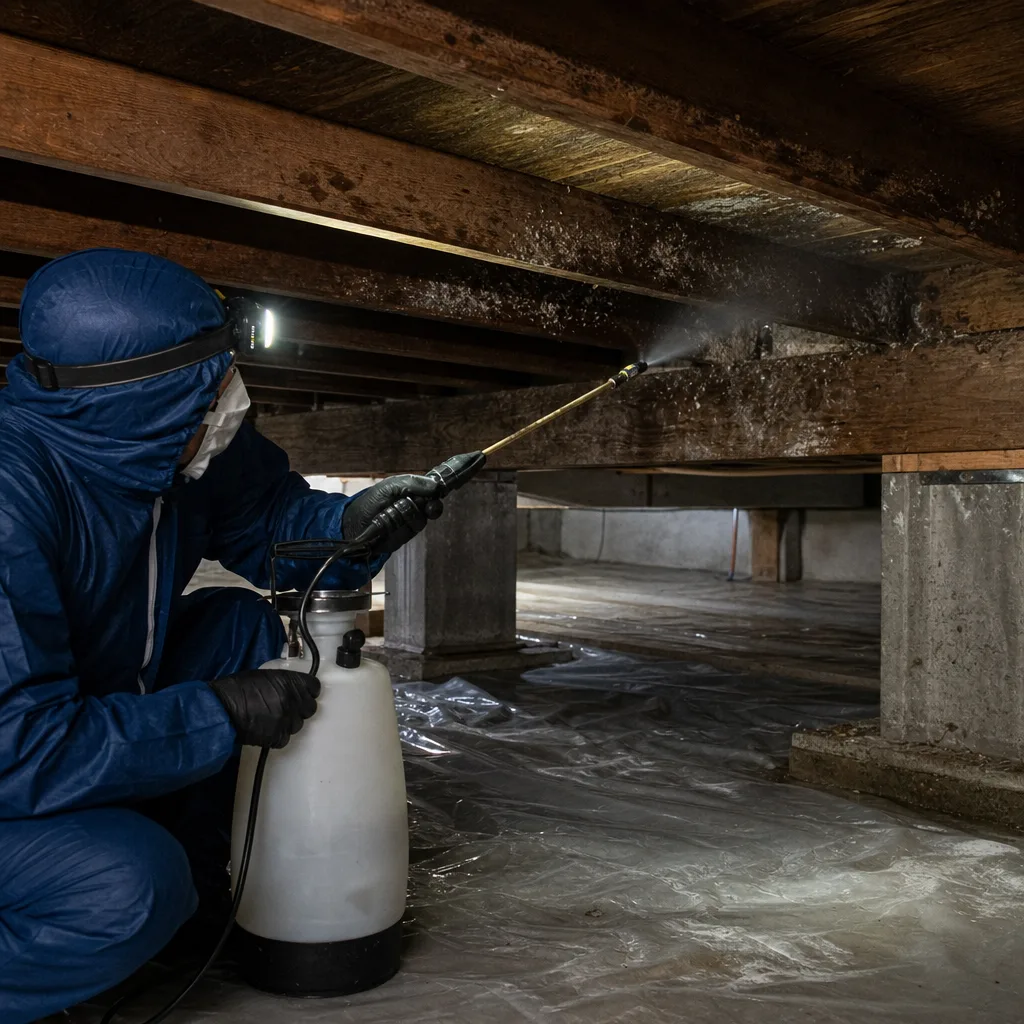
La Mesa sits inland enough to avoid direct hurricane impact, but winter atmospheric rivers and summer monsoon thunderstorms can produce localized flooding, especially in the canyon areas near Del Cerro and the older drainage systems in the Village. These events trigger contractor surges: out-of-area companies dispatch crews to San Diego County, often without proper California licensure, to capture emergency work.
These surges create specific risks that La Mesa homeowners should recognize:
- Out-of-state license plates on work vehicles: Not disqualifying on its own, but combined with a California license that checks back to a residential address or a PO box rather than a physical business location, it suggests a storm-chasing operation without local accountability.
- Verbal “we’ll work with your insurance” promises: This phrase, without written terms, means nothing. Ask for the specific process: will they bill directly? Under what assignment structure? What happens if the insurer denies coverage? A contractor who can’t answer in writing is planning to leave you with the bill.
- Pressure to sign immediately: “We can start today if you sign now” is urgency theatre. Proper documentation takes time to prepare. A contractor who can’t produce a written scope within a few hours of assessment either lacks documentation discipline or is trying to lock you in before you compare options.
- Unmarked vehicles or generic uniforms: Professional restoration companies invest in branded vehicles and uniforms because they’re accountable to their reputation. Generic white vans and unmarked clothing suggest transient operations.
- Requests for large upfront payments: California law limits down payments on home improvement contracts to $1,000 or 10% of the contract price, whichever is less. A contractor requesting 50% upfront on an emergency basis is violating state law and creating financial exposure for you.
After the January 2024 atmospheric river event, we documented three separate instances in La Mesa where out-of-area contractors began water extraction, produced no written scope, and were unreachable by phone within 48 hours when homeowners questioned growing invoices. In each case, the homeowner paid out of pocket for work that insurers later declined to cover due to lack of documentation.
La Mesa-Specific Considerations: Climate, Codes, and Neighborhoods
La Mesa’s geography and building stock create restoration scenarios that differ from coastal San Diego or desert East County. Understanding these specifics helps you evaluate whether a contractor knows the local conditions or is applying a generic playbook, as covered in our Seasonal Damage Restoration Care for La Mesa: Year-Round Homeowner’s Guide.
Climate and Moisture Dynamics
La Mesa averages 14 inches of annual rainfall, concentrated in winter months, with summer humidity occasionally spiking during monsoon flow from the Gulf of California. The city’s elevation of 530 feet creates slightly cooler nights than coastal areas, which slows evaporation and extends drying times for water-damaged structures. A contractor who quotes standard coastal drying timelines without adjusting for La Mesa’s microclimate may leave moisture trapped in building assemblies.
In neighborhoods like Mt. Helix and the College Area adjacent to La Mesa, homes built on hillsides face additional complexity: water follows gravity through multiple levels, and damage that appears in a ground-floor bedroom may originate from a roof leak two stories above. Documentation must trace this path, or the scope will miss source repairs and the damage will recur.
Building Age and Materials
La Mesa’s housing stock includes significant pre-1978 construction, particularly in the original Village plat and surrounding neighborhoods. These homes may contain lead-based paint and asbestos-containing materials, which trigger specific notification and handling requirements under California law and EPA RRP rules. A contractor who begins demolition without testing for these materials creates liability for you and potential health hazards for occupants.
Ask specifically: “Will you test for lead and asbestos before disturbing materials in my home’s original construction?” The answer should reference EPA-certified testing, not visual assessment. Documentation should include chain-of-custody lab results, not assumptions.
Local Permit Requirements
La Mesa Building Division requires permits for reconstruction work exceeding specific thresholds: structural repairs, electrical or plumbing modifications, and roof replacement. A restoration contractor who performs reconstruction without pulling required permits creates code violations that surface during future property sales. Verify that your contractor will obtain permits or coordinate with a licensed general contractor who will.
Neighborhood-Specific Risks
In the Grossmont area, homes built on cut-and-fill slopes may experience water intrusion through foundation cracks during heavy rain, with damage patterns that mimic plumbing leaks. In the Village, older sewer laterals connected to clay pipe mains are prone to root intrusion and backups, creating Category 3 water damage that requires more extensive remediation than clean water intrusion. A contractor familiar with La Mesa will recognize these patterns and document accordingly, not apply a one-size-fits-all scope.
For mold remediation in La Mesa, the combination of older construction and occasional humidity spikes creates conditions where mold can establish in wall cavities before visible growth appears. Proper documentation includes air sampling and moisture mapping, not just visual inspection.
Common Mistakes to Avoid
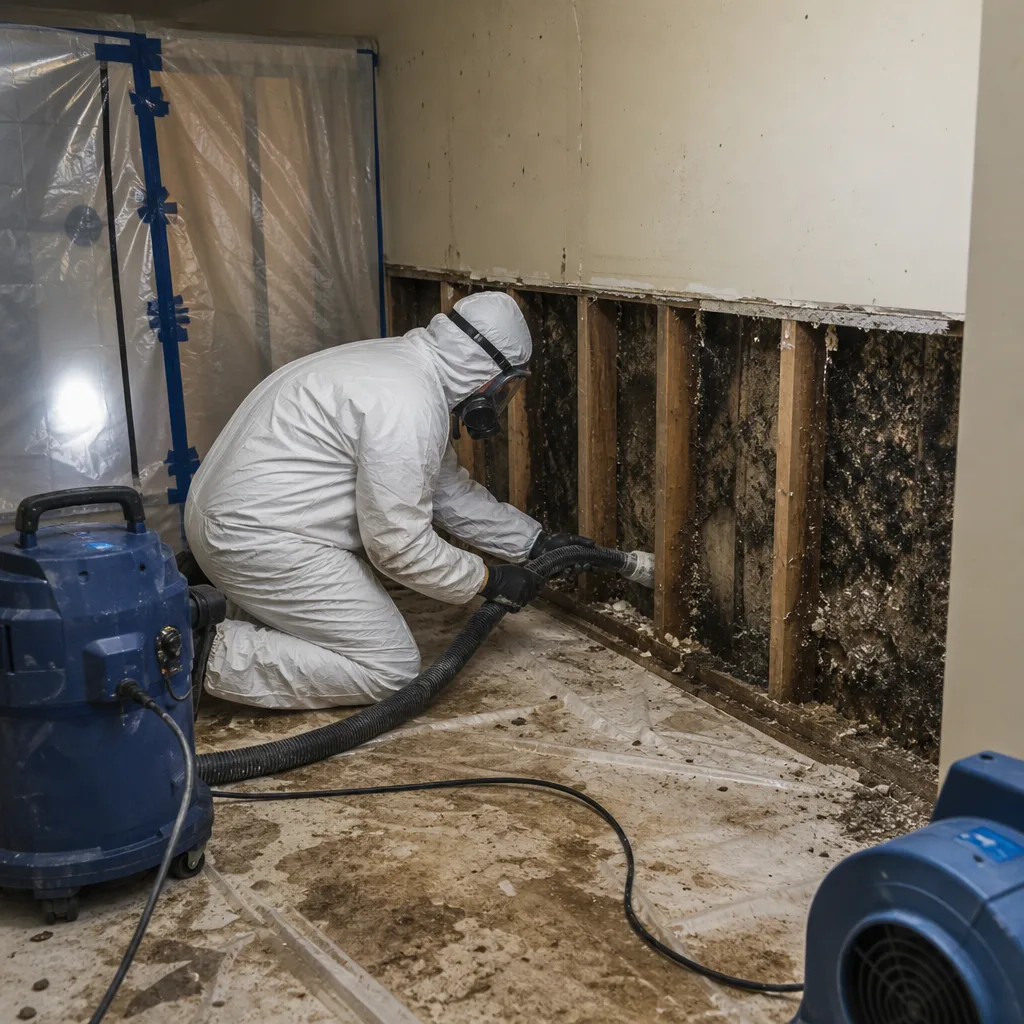
- Prioritizing response speed over documentation: A contractor who arrives in 30 minutes but starts work without a written scope will likely cost you more in claim disputes than a contractor who arrives in two hours with paperwork ready. Water damage in La Mesa homes typically allows a 2-4 hour window for proper assessment without significant escalation.
- Accepting a “verbal estimate” for insurance purposes: Insurers require written documentation. A verbal estimate has no standing in a dispute and cannot be compared to final invoices. Haven Standard, Clause 1 was written specifically to eliminate this practice.
- Failing to verify license classification matches work scope: A contractor with a C-61/D-49 (structural repair, limited) cannot legally perform electrical or plumbing work that may be required after water or fire damage. We’ve seen La Mesa homeowners pay twice for the same work when an unlicensed phase had to be redone.
- Ignoring the difference between mitigation and reconstruction in contractor selection: The company that extracts water expertly may lack the licensing and project management for rebuild. Clarify scope of responsibility before signing, or you may coordinate between contractors yourself.
- Not requesting sample documentation during the interview phase: A contractor’s willingness to show you past drying logs and photo reports indicates operational discipline. Refusal suggests either poor documentation or something to hide.
- Signing assignment of benefits without understanding the terms: Some contractors use AOB language that makes you responsible for costs the insurer denies. Read the specific terms, not the contractor’s summary.
- Assuming all restoration equipment is equivalent: Professional-grade drying systems from Dri-Eaz, Phoenix, and similar manufacturers produce measurable, documentable results. Generic rental equipment may not achieve the vapor pressure differential required for complete drying, leaving moisture that supports mold growth.
When to Call a Professional
Call a restoration contractor immediately when water damage exceeds what you can contain with household towels and a wet-dry vacuum, when you smell mold or see visible growth beyond a few square inches, when fire or smoke damage has affected multiple rooms or HVAC systems, or when sewage backup is involved. These scenarios require professional equipment, containment protocols, and documentation that supports insurance claims.
For water damage, the threshold is typically: standing water more than 1/4 inch deep, water that has seeped under flooring or into wall cavities, or any Category 2 or 3 water (dishwasher discharge, washing machine overflow, sewage, or groundwater). For fire damage, professional restoration is indicated when smoke residue is visible on multiple surfaces or when the HVAC system was operating during the fire.
DryMark Restoration La Mesa offers free estimates in La Mesa. Call (858) 264-2736 to schedule an assessment, and we’ll provide a written, itemized scope before any work begins, with no obligation to proceed. Our live dispatch answers every call, 24 hours a day, 7 days a week, with no voicemail trees.
Frequently Asked Questions
Water damage restoration in La Mesa typically ranges from $1,200 for limited clean water extraction and drying to $8,500 or more for extensive Category 3 flooding with demolition and antimicrobial treatment. Specific pricing depends on affected square footage, water category, building materials involved, and whether reconstruction is required. Call (858) 264-2736 for a written, itemized estimate at no charge, with Haven Standard, Clause 1 guaranteeing the price before work starts.
Most homeowners insurance policies cover sudden and accidental water damage, but coverage varies by policy terms, cause of loss, and whether the damage resulted from maintenance neglect. The single strongest predictor of full coverage is documentation: a written scope before work begins, daily drying logs, and photo records that prove the work was necessary and properly performed. Contractors who document to IICRC, RIA, and IFA standards produce claims that insurers pay without dispute. We coordinate directly with adjusters and provide the documentation package as a standard deliverable, never an upsell.
For emergency water and sewage damage, DryMark Restoration La Mesa dispatches crews within 60-90 minutes of call receipt in the La Mesa area, with live person answering 24 hours a day, 7 days a week. Response time varies by current call volume and your specific location within the city. For fire damage and reconstruction projects, initial assessment is typically scheduled within 24 hours, with work beginning after written scope approval. Reconstruction is scoped, scheduled, and priced in writing like a remodel, not started on emergency dispatch timelines.
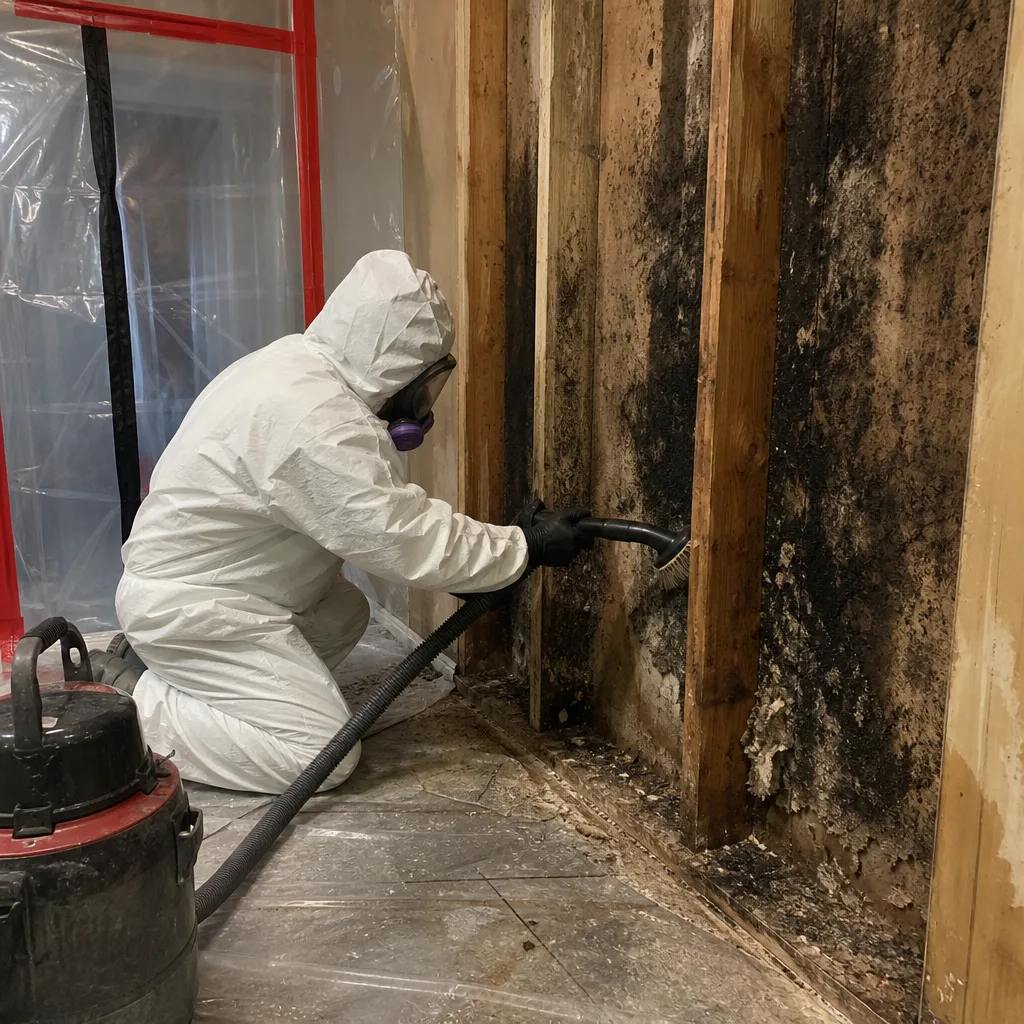
California requires licensed mold remediation for contaminated areas exceeding 10 square feet, and any mold growth resulting from Category 2 or 3 water damage should be professionally assessed. “Cleaning” visible mold without addressing moisture sources and verifying air quality typically results in recurrence within weeks. Proper remediation includes moisture mapping, containment, air filtration, removal of contaminated materials, and post-remediation verification with air sampling. We provide free second opinions on competitor mold estimates, and our documentation includes chain-of-custody lab results when indicated.
At DryMark Restoration La Mesa, our project managers coordinate directly with your adjuster, providing daily documentation, responding to information requests within one business day, and attending site visits when requested. You remain the policyholder and retain all decision rights, but you’re not left managing contractor-adjuster communication during an already stressful period. This direct coordination is standard on every job, not an additional service.
With direct pay, you receive the written scope, approve the price, and pay upon completion (or according to milestone terms), then seek reimbursement from your insurer. You control the relationship and the funds. With assignment of benefits, you transfer your right to insurance proceeds to the contractor, who bills your insurer directly. AOB reduces your cash outlay but may limit your ability to dispute charges and, in some California jurisdictions, is restricted for certain claim types. We explain both structures in writing before you choose, with specific terms about your responsibility if the insurer denies coverage.
The Bottom Line
The contractor you hire in La Mesa will determine whether your restoration claim is paid in full, disputed for months, or denied entirely. The deciding factor is not equipment brand or response time, but documentation discipline: a written scope before work starts, daily drying logs with psychrometric data, time-stamped photo records, and a clear payment structure you understand before signing. Screen for these practices deliberately. Request sample documentation. Verify licenses in real time. Reject any contractor who begins work without a signed, itemized price. The hour you spend on this screening will save you weeks or months of claim disputes, and potentially thousands of dollars in uncovered costs.
For fire and smoke damage restoration in La Mesa or any restoration need, we apply the same documentation standards that have supported 12,000+ homes since 2011. Every job receives a written price before work begins, a photo record on every visit, and the 365-Day Done Right Promise backed by The Haven Standard. Free second opinions on any competitor’s written estimate are available at no charge.
Written by Alicia Brennan, Owner at DryMark Restoration La Mesa, serving La Mesa since 2011.